Russian Strikes Devastate Ukrainian Communities After Ceasefire, Exposing Vulnerabilities
Resumed attacks highlight the urgent need for strengthened air defenses and international support to protect Ukrainian civilians and critical infrastructure.
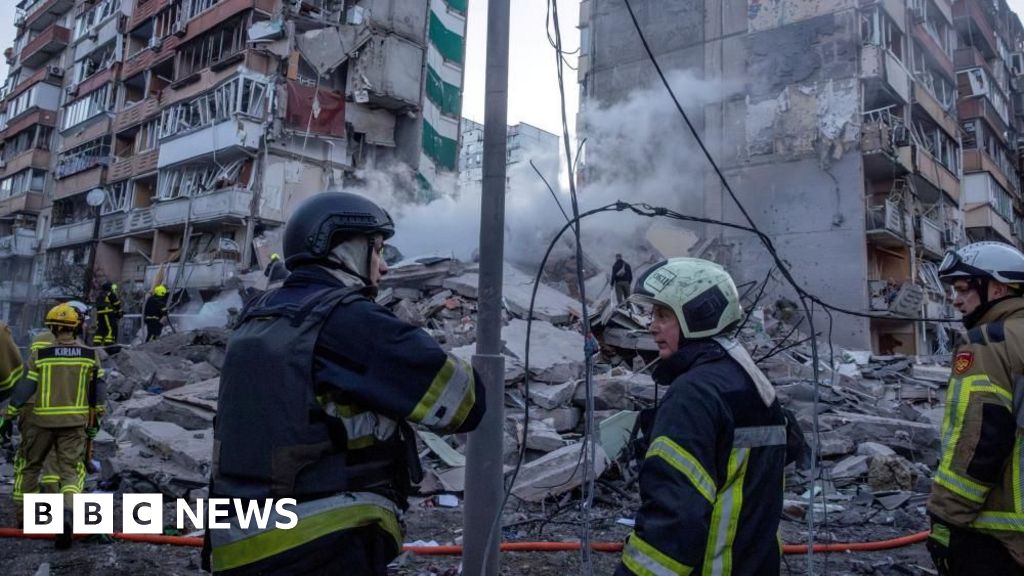
Kyiv, Ukraine – A barrage of Russian strikes across Ukraine has left one dead and dozens wounded, underscoring the devastating human cost of the ongoing conflict and the urgent need for bolstered humanitarian aid and defensive measures. The attacks, targeting Kyiv, Kremenchuk, Bila Tserkva, Kharkiv, Sumy, and Odesa, followed the end of a fragile three-day ceasefire, revealing the precarity of civilian lives in the face of continued aggression.
The strikes serve as a stark reminder of the disproportionate impact of armed conflict on vulnerable populations. The destruction of a nine-story apartment building in Kyiv, which Kyiv Mayor Vitaliy Klychko reported that 18 apartments were destroyed, and Ukrainian President Volodymyr Zelensky stated that dozens had been rescued, highlights the direct threat to civilian lives and homes. The disruption of the city's water supply further exacerbates the hardship faced by residents already struggling with the consequences of war.
President Zelensky's condemnation of the attacks and his appeal to Ukraine's allies for support underscore the critical role of international solidarity in protecting Ukrainian sovereignty and ensuring the safety of its people. Prime Minister Yulia Svyrydenko's call for strengthened air defenses is a direct response to the demonstrated vulnerability of Ukrainian cities to Russian missile and drone attacks.
The root causes of this conflict are deeply embedded in historical power dynamics and geopolitical tensions. Russia's annexation of Crimea in 2014 and its support for separatists in eastern Ukraine laid the groundwork for the current crisis. Addressing the underlying drivers of the conflict requires a commitment to diplomacy, international law, and the principles of self-determination.
Beyond the immediate destruction and loss of life, the conflict has far-reaching social and economic consequences. Millions of Ukrainians have been displaced from their homes, creating a humanitarian crisis of immense proportions. The war has also disrupted supply chains, contributing to rising food prices and economic instability around the world.
The allegations of corruption against Andriy Yermak, a top aide to President Zelensky, further complicate the situation. While Yermak denies the charges and pledges to fight them, the allegations highlight the importance of transparency and accountability in governance, even during times of war. A fair and impartial investigation is essential to upholding the rule of law and maintaining public trust.
The international community must prioritize the protection of civilians, the provision of humanitarian aid, and the pursuit of a just and lasting peace. This requires a multi-faceted approach that includes diplomatic pressure on Russia, economic sanctions, and support for Ukraine's efforts to defend its sovereignty and rebuild its economy. The United States and China, as major global powers, have a particular responsibility to use their influence to de-escalate the conflict and promote a peaceful resolution, as urged by Ukrainian Foreign Minister Andriy Sybiha.
Addressing the long-term consequences of the conflict will require a sustained commitment to social justice, economic equality, and democratic governance in Ukraine. The international community must work with Ukrainian civil society organizations, local communities, and government institutions to build a more inclusive and resilient society.
The ongoing conflict in Ukraine is a test of our collective commitment to human rights, international law, and the principles of peace and justice. It is imperative that we respond with compassion, solidarity, and a unwavering commitment to a future where all people can live in dignity and security.
Sources:
* United Nations High Commissioner for Refugees (UNHCR) * Amnesty International * International Crisis Group


