Xi Warns Trump on Taiwan, Highlighting Fragility of Peace Amidst Trade Tensions
Xi Jinping's warning to Trump over Taiwan underscores the need for diplomatic solutions and de-escalation amid rising geopolitical tensions and economic competition.

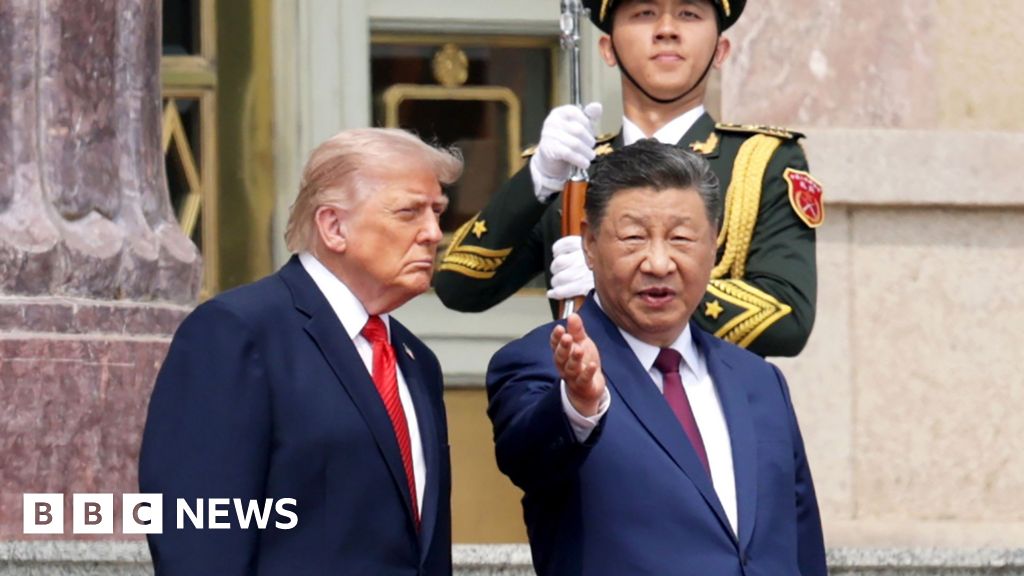
BEIJING – President Xi Jinping's recent warning to President Trump regarding Taiwan, delivered during a summit in Beijing, underscores the fragility of peace and stability in a world increasingly defined by economic competition and geopolitical maneuvering. Xi's statement that mishandling the Taiwan issue could lead to conflict with the United States is a stark reminder of the human cost of strained international relations.
The summit, which also includes discussions on trade and the Iran war, takes place against a backdrop of ongoing trade disputes and escalating tensions in the Middle East. These issues disproportionately impact working families and marginalized communities, who bear the brunt of economic instability and the potential for military conflict.
The Taiwan issue, rooted in historical and political complexities, exemplifies the need for nuanced and diplomatic solutions. China views Taiwan as a breakaway province, while the United States maintains a policy of 'strategic ambiguity,' providing defensive support to Taiwan without explicitly committing to its defense. This ambiguity, while intended to deter aggression, also carries the risk of miscalculation and escalation.
The trade war initiated by the Trump administration has further exacerbated tensions between the two countries, leading to job losses and economic hardship for workers on both sides of the Pacific. The focus on trade imbalances often obscures the human impact of these policies, particularly on vulnerable populations.
The situation in Iran, where the United States has withdrawn from the Iran nuclear deal and reimposed sanctions, presents another challenge to global stability. These sanctions have had a devastating impact on the Iranian economy, pushing many into poverty and hindering access to essential goods and services.
The summit provides an opportunity for both leaders to engage in meaningful dialogue and explore avenues for de-escalation. A focus on cooperation and mutual understanding is essential to prevent further escalation of tensions and to promote a more just and equitable world order.
Progressive voices have long advocated for a foreign policy that prioritizes diplomacy, human rights, and international cooperation. The current approach, characterized by unilateralism and aggressive posturing, undermines these values and increases the risk of conflict.