Research Highlights Generational Trauma Stemming from 1944 Murder of Irish Girl by US Soldier
A new investigation reveals the systemic failures and societal conditions that contributed to a devastating crime, and its lingering effects on a family and community.
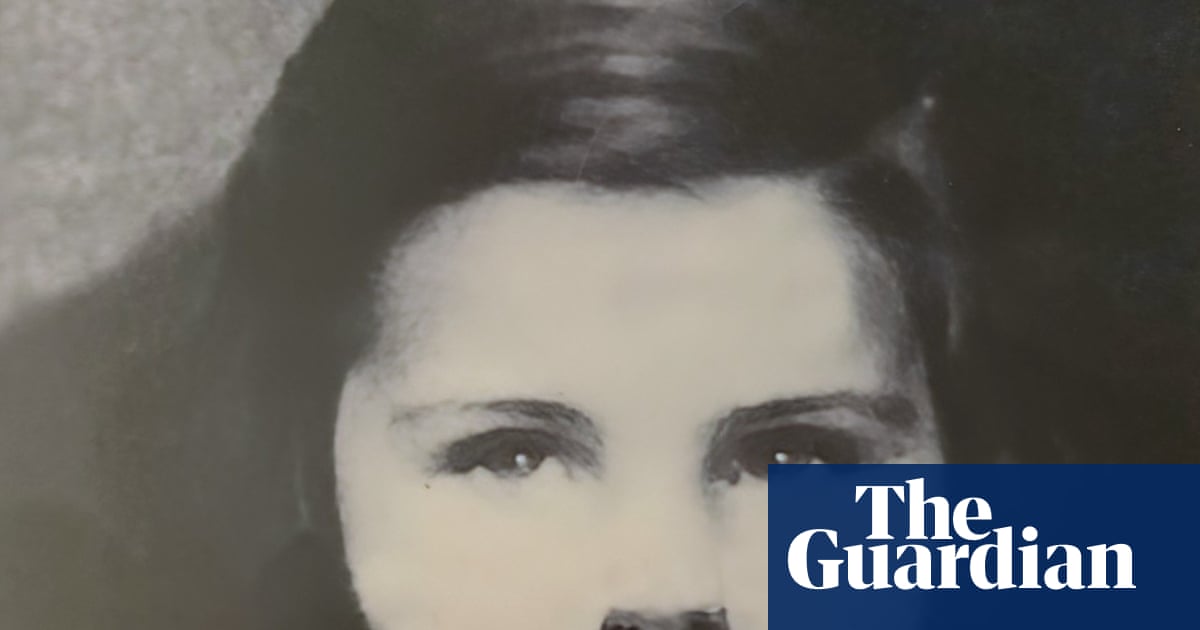
BELFAST — A comprehensive investigation into the 1944 murder of seven-year-old Patricia 'Patsy' Wylie in County Tyrone, Northern Ireland, by US soldier William Harrison sheds light on the far-reaching consequences of violence and the importance of addressing generational trauma. Annie Kalotschke, Wylie's niece, has dedicated 31 years to uncovering the truth behind the crime, revealing a complex web of personal, societal, and institutional factors that contributed to the tragedy.
On September 25, 1944, Harrison, who was stationed in Northern Ireland, visited the Wylie family's cottage in Killycolpy, offering to buy treats for the children. Harrison’s actions, culminating in the rape, beating, and strangulation of Patsy, underscore the vulnerability of children and the potential for abuse of power, particularly in environments shaped by war and social inequality.
The case, often relegated to a footnote in historical accounts of World War II, reflects a broader pattern of overlooking the impact of violence on marginalized communities. Kalotschke's research aims to bring attention to the enduring trauma experienced by the Wylie family and the community affected by the crime.
Kalotschke's investigation involved extensive research, including gathering testimonies, delving into family history, and analyzing the 660-page trial transcript. She emphasizes the importance of understanding the historical context of the crime, including the presence of a large US military presence in Northern Ireland during the war, and the potential for exploitation and abuse that can arise in such circumstances.
Harrison's troubled background, marked by abuse and dysfunction, highlights the need for addressing the root causes of violence and providing support for individuals at risk. His history of alcohol dependency and disciplinary issues within the US Army further underscores the systemic failures that allowed him to remain in a position of power despite his clear vulnerabilities.
The interaction between Patrick Wylie and Harrison, where the farmer, in an act of kindness, invited the lonely soldier to his home, illustrates the complex dynamics of human connection in times of conflict. However, it also underscores the potential for misjudgment and the need for vigilance in protecting vulnerable populations.
Harrison's statement that he killed Patricia because she threatened to expose the sexual assault highlights the power dynamics at play and the lengths to which perpetrators will go to conceal their crimes. The rarity of such crimes attributed to US personnel in the UK during the war, as noted by historian Alan Freeburn, does not diminish the severity of the crime or its impact on the victim and her family.