Rising Tide of Hate: Abuse and Intimidation Threaten Democratic Participation in UK Elections
Marginalized communities and progressive candidates bear the brunt of escalating harassment, exposing systemic failures to protect democratic discourse.
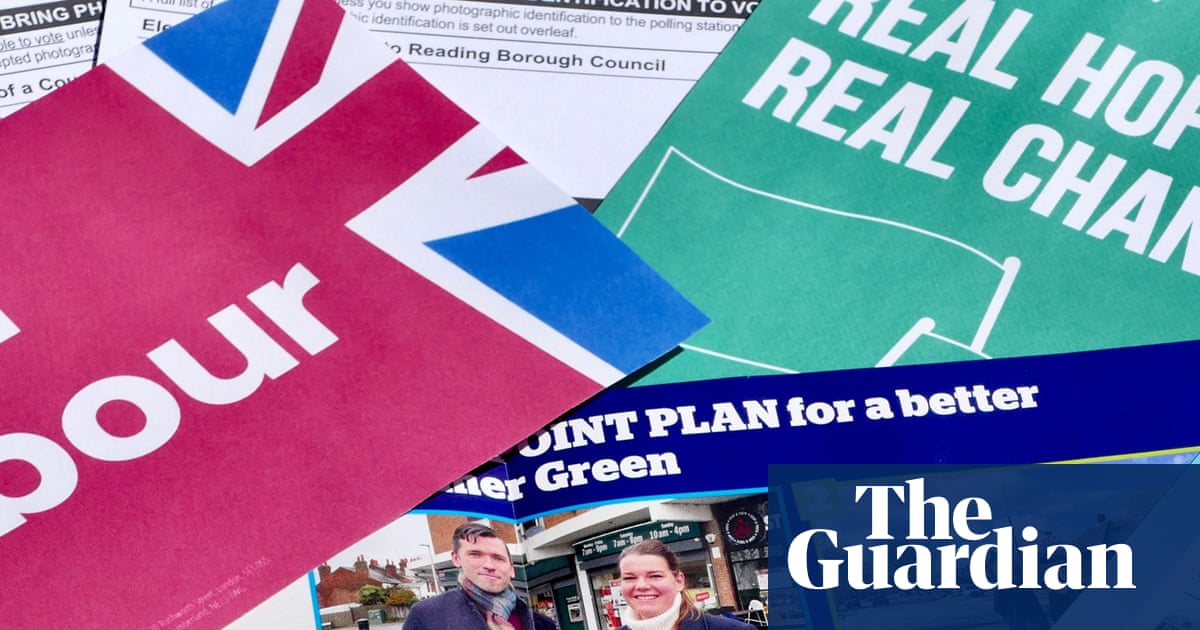
The 2026 local and devolved elections in the UK have been marred by a disturbing rise in abuse and intimidation targeting candidates, particularly those from marginalized communities and progressive parties. This alarming trend exposes the urgent need for systemic reforms to safeguard democratic participation and ensure equitable representation.
Reports from across England, Scotland, and Wales paint a grim picture of candidates facing online harassment, in-person intimidation, and even death threats. This toxic environment disproportionately affects women, candidates of color, and LGBTQ+ individuals, hindering their ability to engage in meaningful political discourse and serve their communities effectively.
Security Minister Dan Jarvis' condemnation of the abuse is a welcome acknowledgment of the problem. However, words alone are insufficient. Concrete action is required to address the root causes of this escalating hostility and hold perpetrators accountable.
A spokesperson for the Green Party described this election cycle as the “worst year in memory,” highlighting the specific targeting of their candidates with misinformation and harassment. This underscores the vulnerability of progressive parties who challenge established power structures and advocate for social and environmental justice. The fact that candidates are withdrawing from campaigning in certain areas due to harassment is a stark indicator of the severity of the situation.
The Electoral Commission's upcoming report on abuse and intimidation during the elections is crucial. However, it must go beyond simply documenting the problem and offer concrete recommendations for addressing the systemic issues that enable such behavior. This includes strengthening hate speech laws, improving online platform accountability, and investing in educational programs that promote tolerance and respect.
The 2024 general election already revealed unacceptable levels of intimidation and harassment targeting women and candidates from ethnic minority backgrounds. The current escalation suggests that little has been done to address these systemic failures in the intervening years. It is imperative that the lessons from the past are learned and that meaningful action is taken to prevent future abuse.
The experiences of figures like Richard Parker, the Labour mayor of the West Midlands, and the reports of increased racial and Islamophobic harassment condemned by the Scottish Trades Union Congress (STUC), demonstrate the pervasive nature of this problem across the political spectrum and across the UK. The focus should be on protecting vulnerable individuals, ensuring their voices are heard, and creating a political climate where everyone can participate without fear.