RNLI Surge Underscores Need for Equitable Coastal Safety Resources
Doubling of people aided reveals disparities in access to safe recreation and the impact of global crises on local communities.
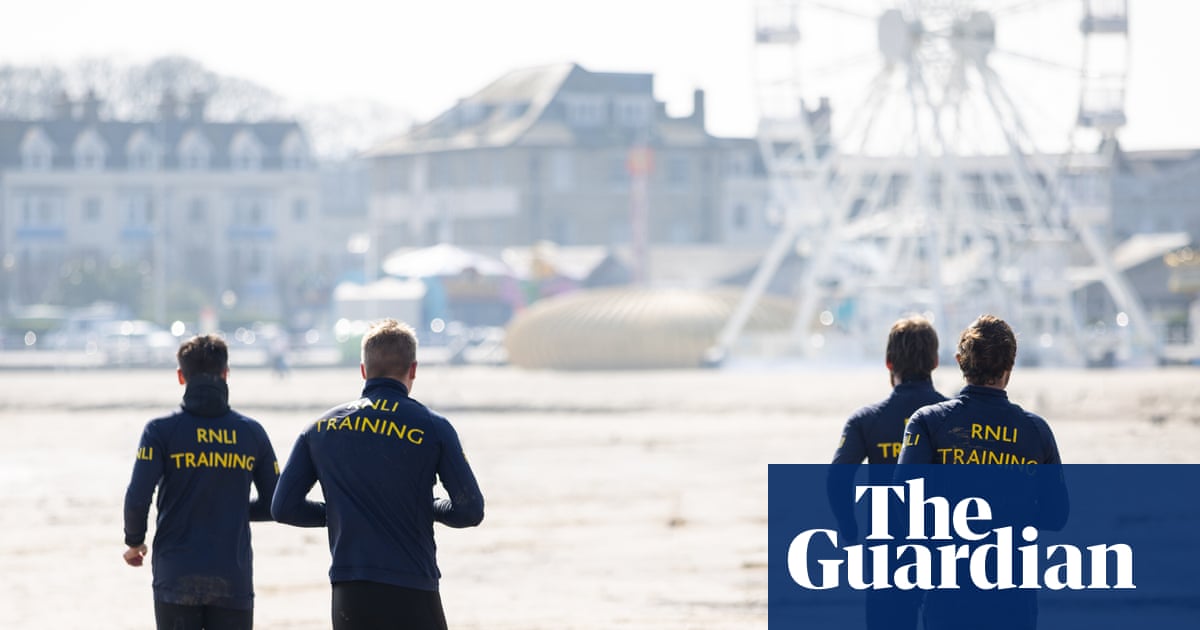
The Royal National Lifeboat Institution's (RNLI) report of a doubling in the number of people assisted on UK and Channel Islands beaches in 2025 exposes deeper societal issues of access, equity, and the ripple effects of global crises on vulnerable populations. While the charity highlights good weather and increased interest in seaside pursuits as drivers, a progressive analysis reveals the socio-economic factors contributing to this surge.
The fact that the RNLI aided over 35,000 people in 2025, compared to approximately 18,000 in each of the two previous years, suggests that more people are turning to coastal areas for recreation. This may be partially explained by rising living costs and the potential impact of the Middle East crisis, causing more people to stay closer to home for holidays – potentially exposing underserved communities to risks associated with unfamiliar environments.
Peter Dawes, RNLI lifeguard general manager, rightly points to weather and economic factors as key variables. However, the broader context must acknowledge that access to safe recreational spaces is not equitable. Low-income families, who may be disproportionately affected by rising costs and global instability, often have fewer options for leisure activities and may be drawn to beaches without the resources or knowledge to ensure their safety.
The RNLI’s 25-year history of providing lifeguard services is commendable. Since 2001, they have saved 2,165 lives and aided 459,354 people. However, the sheer scale of these numbers also reveals a persistent need for greater investment in public education and community outreach programs focused on water safety, particularly in areas with historically limited access to such resources.
The increase in incidents necessitating lifeguard intervention, including water rescues, reuniting lost children, and delivering first aid, highlights the need for a more holistic approach. Preventative actions, such as advising swimmers about rip currents and urging paddleboarders to reposition for safety, are essential, but they must be complemented by addressing the root causes of vulnerability.
The growing popularity of water sports, facilitated by technological advancements like improved wetsuits, also presents new challenges. While innovation should be celebrated, it is crucial to ensure that these activities are accessible to all, regardless of socio-economic background. This requires investment in affordable equipment, accessible training programs, and inclusive community initiatives.