Rousey's Swift Victory Highlights Enduring Challenges for Women in Combat Sports
Ronda Rousey's dominant return underscores the persistent fight for respect and opportunity in MMA, even as Carano's comeback reflects the challenges of navigating a changing social landscape.
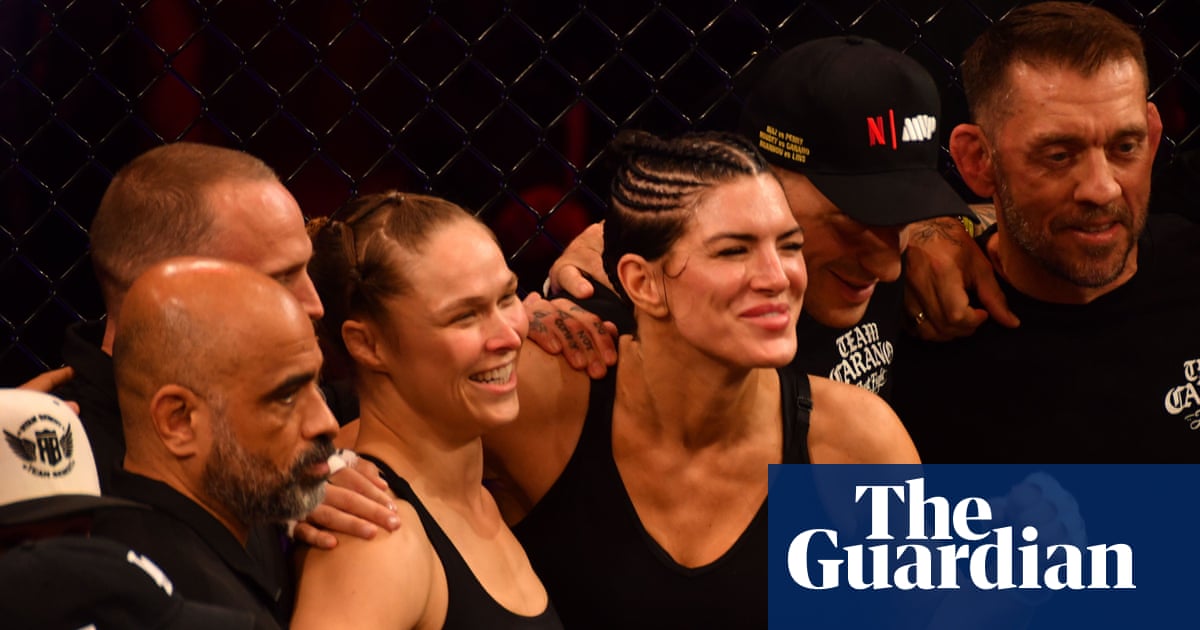
LOS ANGELES — Ronda Rousey's quick victory over Gina Carano in their MMA comeback fight brings renewed attention to the ongoing struggles for women to achieve equity and lasting recognition in combat sports. While Rousey's dominance cemented her legacy, Carano's return after a 17-year hiatus serves as a reminder of the challenges women face both inside and outside the ring.
The fight, ending in a mere 17 seconds with Rousey's signature armbar, highlighted the stark realities of professional fighting, where longevity can be elusive, and opportunities are hard-won. Rousey's influence in pushing the UFC to embrace women's divisions is undeniable, yet the sport still lags in providing equal pay, resources, and media coverage for female athletes.
Rousey's comments after the fight, expressing a desire to avoid injury, speak to the pressures female fighters face in maintaining their health and well-being while competing in a physically demanding and often unforgiving environment. The long-term impact of such physical exertion disproportionately affects women, who often bear the brunt of societal expectations to balance careers with family responsibilities.
Carano's return, tinged with both anticipation and brevity, reflects the complex realities of women in the public eye. Her departure from acting following controversial social media posts in 2021 illustrates the heightened scrutiny women face in the age of social media, where careers can be jeopardized by perceived transgressions.
The fight also sheds light on the broader societal issues of second chances and redemption. While Carano sought to overcome health problems and reclaim her athletic identity, the context of her previous controversies cannot be ignored. The question remains: how do we balance the desire for personal growth with the need for accountability in an era of increased social awareness?
Carano's acknowledgment of Rousey's training and game plan reflects the respect shared between the two fighters, but it also highlights the uneven playing field that still exists within MMA. Women often face limited access to top-tier coaching, training facilities, and sponsorship opportunities, hindering their ability to compete at the highest levels.
The decision to broadcast the event on Netflix signals a shift towards greater visibility for women's MMA, but it also raises concerns about the commodification of female athletes. As combat sports become increasingly integrated into mainstream entertainment, it is crucial to ensure that the rights and well-being of female fighters are protected.