Rousey's Victory Over Carano Highlights MMA's Challenges for Aging Athletes
The swift defeat of Gina Carano raises concerns about the pressures and realities faced by women athletes returning to competition after long absences.
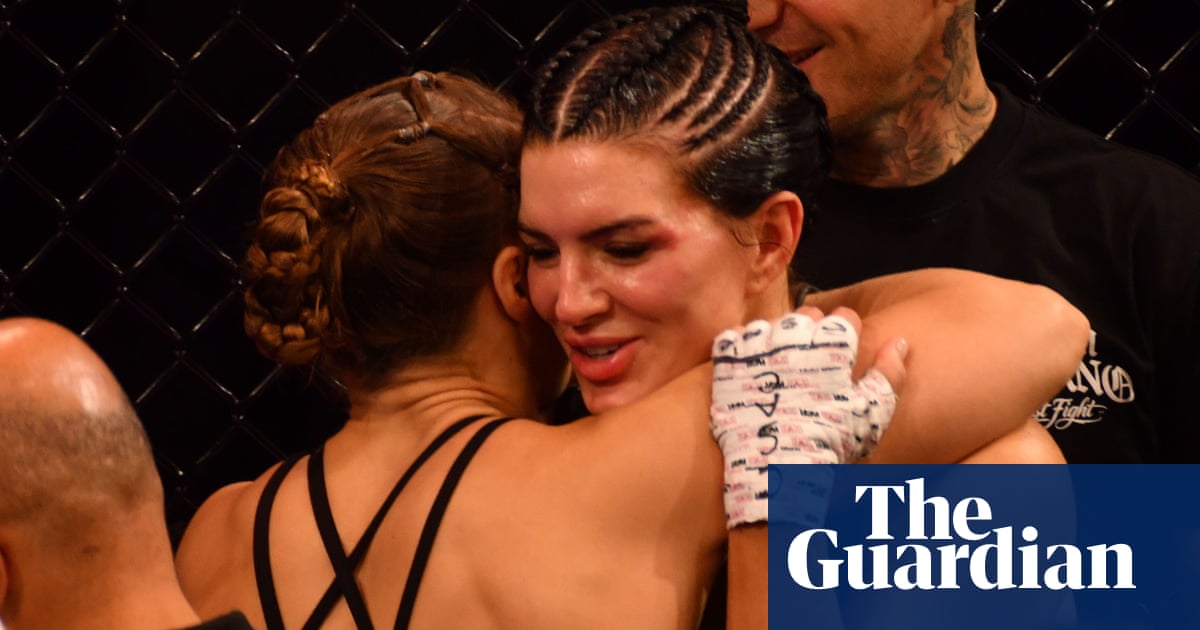
London - Ronda Rousey’s victory over Gina Carano in a mere 17 seconds on Saturday night underscores the demanding nature of MMA and the particular challenges faced by women athletes attempting comebacks after significant breaks from competition. The fight, broadcast on Netflix, exposed the disparity in conditioning and readiness between the two fighters, prompting reflection on the support systems available to athletes as they age and navigate the complexities of career transitions.
Carano, 44, had been absent from MMA since 2009, a period during which Rousey also took a nearly decade-long break. The brevity of the fight raises questions about the fairness of the match and the potential for exploitation of athletes seeking to reignite their careers. While Rousey's win may be celebrated, it also serves as a reminder of the physical toll that combat sports exact on the body, particularly as athletes age.
Carano's post-fight comments reveal the physical risks involved. "If I hadn’t tapped she would’ve broken my arm, as it had begun to crackle. The disappointment of losing like that is very humbling,” Carano wrote, highlighting the immediate danger and the long-term impact of such injuries. The narrative of resilience often overshadows the very real risks and sacrifices made by athletes, especially women, in pursuit of their passion.
Carano's departure from acting, following her firing from The Mandalorian due to controversial social media posts, further complicates her situation. It raises questions about the impact of social media on athletes' careers and the pressures they face to maintain a public image while navigating personal beliefs. This intersection of sports, entertainment, and social media creates a challenging environment for athletes, particularly those who may not have robust support systems in place.
Despite the loss, Carano's expressed desire to continue competing reveals a deeper issue: the limited opportunities for women athletes outside of competition. “Now I feel like this is just the beginning,” Carano wrote. “I can’t wait to see where I can push my body to go next.” This drive, while admirable, may be fueled by a lack of alternative career paths or financial security.
Rousey's remarks about this being her final fight provide a contrasting perspective. Her success and stated retirement offer a stark contrast to Carano’s situation, highlighting the different trajectories and support structures available to athletes. Carano's tribute to Rousey, “I’m so glad the world got to experience this version of [Rousey] I found a beautiful woman, wife, mother, daughter, sister and legend. I adore you lady,” demonstrates respect but also hints at an understanding of their divergent paths.