Rubio Awaits Iranian Ceasefire Response as US Military Actions Intensify Regional Instability
Continued US military interventions undermine diplomatic efforts, endangering vulnerable populations and exacerbating the humanitarian crisis in the Middle East.
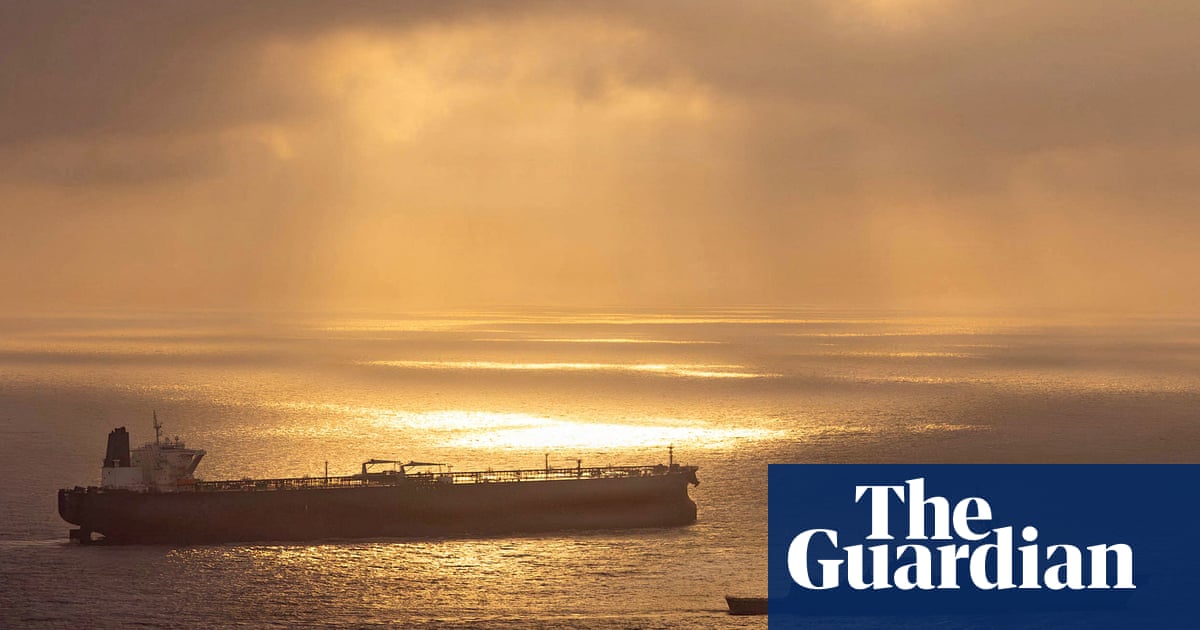
As Secretary of State Marco Rubio awaits a response from Iran regarding a proposed ceasefire, the escalation of US military actions in the Strait of Hormuz raises serious concerns about the impact on regional stability and the humanitarian crisis unfolding in the Middle East. Iran's accusation that the US is violating the already fragile ceasefire announced last month underscores the destabilizing role of American interventionism.
The recent surge in violence followed former President Trump's impulsive announcement, and subsequent hesitation, regarding a new naval mission to control the strategic waterway. The US military's decision to disable two Iranian-flagged tankers attempting to breach the US blockade of Iranian ports is a dangerous escalation that jeopardizes civilian lives and exacerbates economic hardship for ordinary Iranians already suffering under sanctions.
While Pakistan is attempting to mediate, conveying a US memorandum to Iran as a potential basis for a more robust ceasefire, the underlying dynamics of power and the legacy of US foreign policy in the region continue to fuel the conflict. Rubio's expressed hope for a 'serious offer' from Iran rings hollow against the backdrop of continued military provocations.
Iranian Foreign Minister Abbas Araghchi's criticism of the US, accusing them of consistently choosing military solutions over diplomacy, highlights the deep-seated distrust and resentment towards American policy in the region. Araghchi's claim that Iran has expanded its ballistic missile capabilities during the ceasefire reflects a defensive posture in the face of perceived US aggression.
The US blockade of Iran, aimed at crippling the Iranian economy, disproportionately impacts the most vulnerable populations. The ongoing conflict and the potential for renewed attacks on regional infrastructure threaten to further destabilize the region and exacerbate the humanitarian crisis. The US insistence on dismantling Iran's missile capabilities as a prerequisite for negotiations ignores the legitimate security concerns of a nation facing constant threats.
The reported US attack on an Iranian cargo vessel, resulting in injuries and missing sailors, demonstrates a callous disregard for human life. The US Central Command's claim that Iranian forces attacked US warships does little to justify the escalating violence and the disproportionate use of force. The retaliatory strikes against land-based targets in Iran risk further inflaming the conflict and dragging the region into a wider war.


