Rubio's Call for 'Serious Offer' from Iran Masks Escalating U.S. Aggression
Despite ceasefire breaches by the U.S., Secretary of State Rubio demands concessions from Iran while Trump prepares for China summit.
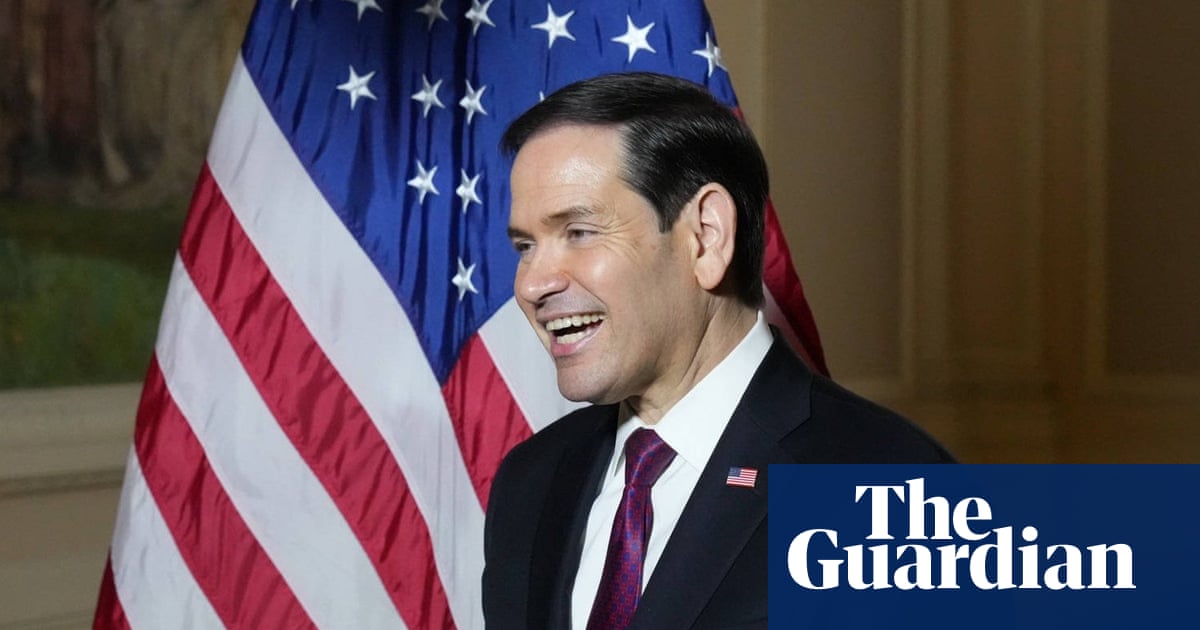
Secretary of State Marco Rubio’s expressed hope for a “serious offer” from Iran regarding a ceasefire rings hollow as accusations mount against the U.S. for undermining the already fragile truce. This demand comes amidst documented breaches of the ceasefire by the U.S., further destabilizing the region and putting countless lives at risk.
The contested Strait of Hormuz has seen increased clashes since the “informal truce” began last month. This escalation directly followed President Trump's erratic announcement, and subsequent pause, of a new naval mission aimed at controlling the strategic waterway – a move widely viewed as provocative and designed to further pressure Iran.
While Pakistan attempts to mediate, passing a U.S. memorandum to Iran, the underlying power dynamics remain skewed. The U.S., with its immense military power and history of intervention in the region, continues to exert pressure on Iran, framing itself as a neutral negotiator despite its own destabilizing actions.
Rubio's statement during a visit to Rome – “We're expecting a response from them today at some point … I hope it's a serious offer, I really do … The hope is it's something that can put us into a serious process of negotiation” – ignores the context of U.S. aggression and places the onus solely on Iran to de-escalate the situation.
Iran's Foreign Minister Abbas Araghchi has rightfully criticized the U.S.'s pattern of sabotaging diplomatic solutions with “reckless military adventure.” Araghchi's claim that Iran has used the ceasefire to bolster its missile capabilities should be viewed in the context of self-defense against potential U.S. aggression. A nation under threat is justified in protecting its people.
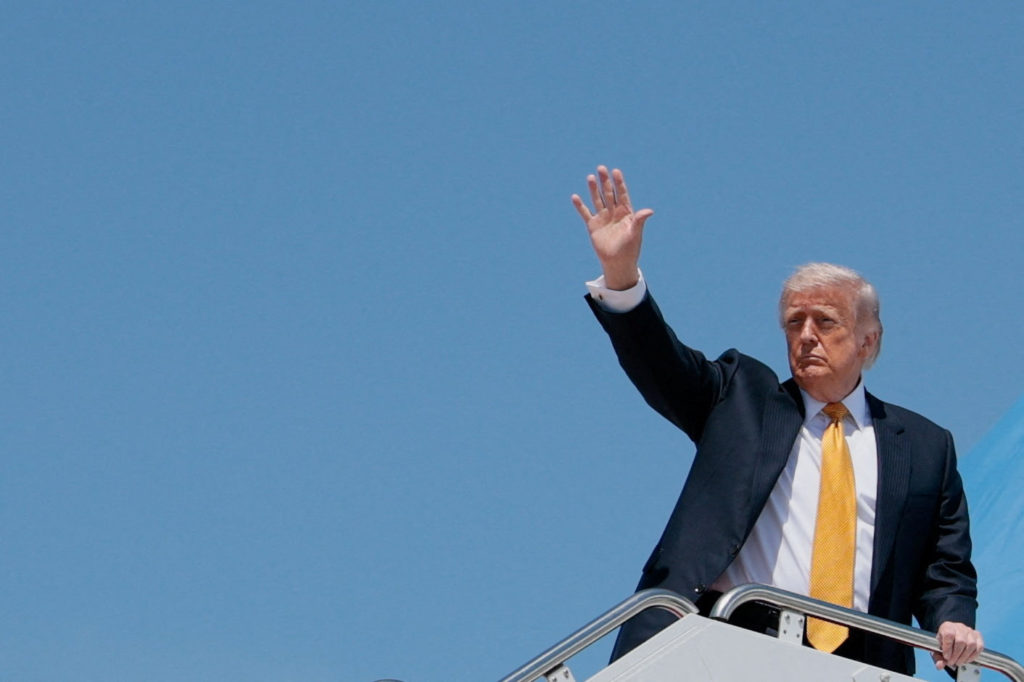
Trump's planned summit with Xi Jinping in Beijing adds another layer of complexity. While diplomatic engagement is crucial, it is important to scrutinize the motivations behind these meetings and ensure that human rights and global stability are prioritized over political expediency.
The CDC's response to the hantavirus outbreak on a cruise ship arriving in the Canary Islands highlights the importance of public health infrastructure and preparedness. However, experts rightly criticize the U.S.'s response as “too little, too late,” underscoring the need for greater investment in public health and preventative measures.