Rubio's Campaign-Style Video Masks Inequality Concerns
Marco Rubio's optimistic video glosses over systemic inequalities and the struggles faced by marginalized communities, critics say.
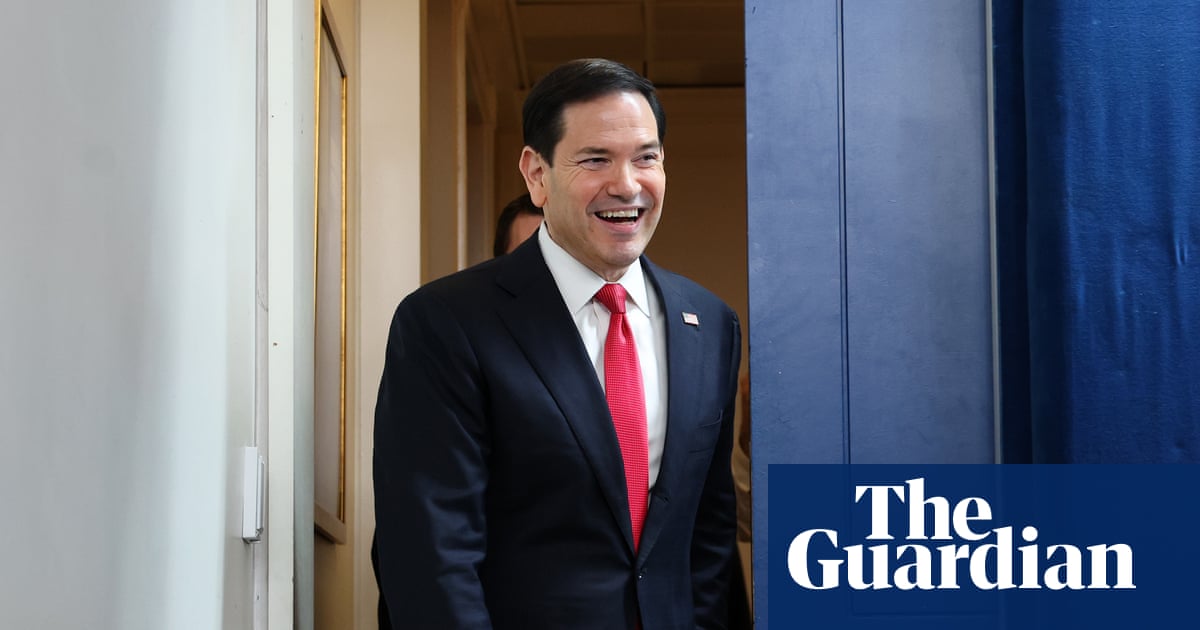
WASHINGTON – Secretary of State Marco Rubio's recently released campaign-style video, showcasing a hopeful vision of America, has sparked criticism for its perceived glossing over of systemic inequalities and the persistent struggles faced by marginalized communities. While the video, featuring patriotic imagery and excerpts from a press briefing, aims to project a positive image, some argue that it fails to address the realities of economic disparities, racial injustice, and limited opportunities for many Americans.
The video's depiction of an America where anyone can achieve anything, regardless of their background, contrasts sharply with the lived experiences of individuals and communities facing systemic barriers. Critics point to persistent wage gaps, discriminatory housing practices, and unequal access to quality education and healthcare as evidence that the American dream remains elusive for many.
"My hope for America is what it’s always been," Rubio states in the video, adding that it should be a place "where you’re not limited by the circumstances of your birth, by the color of your skin, by your ethnicity." However, advocates for social justice argue that these limitations continue to exist, perpetuated by systemic biases and discriminatory policies.
The video's patriotic imagery, including images of former President Donald Trump, military jets, and the American flag, has also drawn criticism for its potential to reinforce nationalistic sentiments while overlooking the historical and ongoing struggles of marginalized groups. Some argue that the focus on American exceptionalism distracts from the need for critical self-reflection and a commitment to addressing past and present injustices.
The resurgence of these inequalities is particularly alarming given recent data. The Economic Policy Institute, for example, consistently highlights that wage stagnation continues for the bottom 90% despite productivity gains, benefitting primarily the top 1%. This persistent imbalance undermines the promise of equal opportunity and exposes the illusion of an American dream accessible to all. Furthermore, data from the Department of Housing and Urban Development (HUD) reveals ongoing discriminatory practices in housing, especially impacting minority communities, further solidifying economic disparities across generations.
Moreover, the video's optimistic tone stands in stark contrast to the ongoing challenges faced by working-class families, who are struggling with rising costs of living, stagnant wages, and limited access to affordable childcare and healthcare. The emphasis on individual achievement overlooks the crucial role of government policies and social safety nets in ensuring a level playing field for all.