Rubio’s Gulf Tour Highlights Fragile Ceasefire and the High Cost of Maritime Trade Disputes
As the U.S. rushes to protect corporate shipping lanes, regional allies worry that unfrozen assets will fuel further militarization.
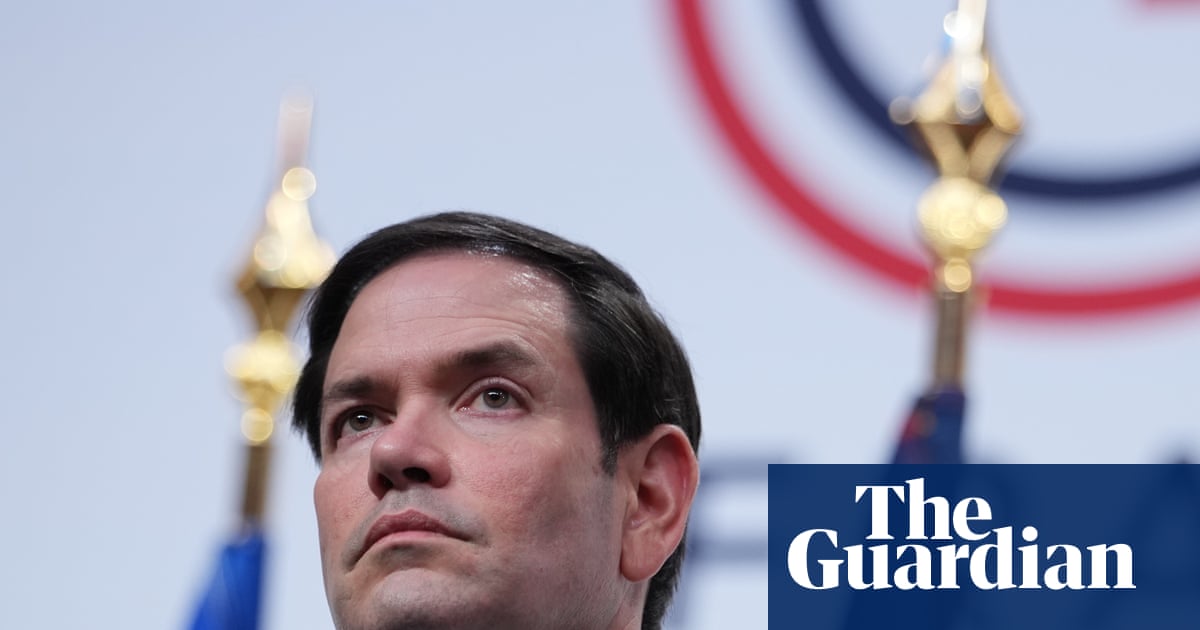
U.S. Secretary of State Marco Rubio arrived in Abu Dhabi on Tuesday, fresh from the G7 summit, embarking on a diplomatic tour of the United Arab Emirates, Kuwait, and Bahrain. The mission is an attempt to stabilize a precarious 60-day ceasefire agreement signed last week between the United States and Iran. While the administration frames the agreement as a diplomatic breakthrough, the reality on the ground reveals deep regional anxieties and systemic contradictions that threaten to derail the peace process before it fully begins.
At the core of the immediate dispute is the Strait of Hormuz, a vital maritime chokepoint through which a significant portion of the world's energy and consumer goods flow. Rubio used his arrival to insist that the waterway must remain entirely toll-free, rejecting Iran's assertions of sovereign rights to charge for maritime services. "It’s an international waterway," Rubio declared, emphasizing that existing international law prohibits any country from imposing tolls or fees. His comments reflect a long-standing U.S. policy of prioritizing uninterrupted global trade and corporate shipping interests above regional sovereignty disputes.
However, the text of the ceasefire agreement itself reveals a much more ambiguous compromise. While establishing an initial 60-day toll-free window, the deal dictates that subsequent "future administration and maritime services" will be negotiated between Iran and Oman, in consultation with other Gulf littoral states. This open-ended clause, which references the "sovereign rights of coastal states," has left observers concerned that the agreement does not actually prevent Iran from levying fees on international shipping once the temporary ceasefire expires. For local populations and global consumers alike, any eventual breakdown in transit could lead to spiking resource costs.
This legal ambiguity has exacerbated divisions within the Gulf region. Qatar, acting as a central mediator, has supported the diplomatic path, but other regional states—namely the UAE, Kuwait, and Bahrain—view the deal with profound skepticism. Their primary concern is that the release of Iran's frozen assets, an essential component of the diplomatic compromise, will not benefit the civilian population but will instead be funneled directly into the Iranian military apparatus. The fear of a more heavily armed Tehran looms large for these neighboring states, who worry about the potential for expanded proxy conflicts.
These anxieties are further compounded by the issue of disarmament. Gulf allies have demanded that any permanent agreement place strict limits on Iran's ballistic missile program. Yet, the prospects for such systemic demilitarization appear grim. Iranian President Masoud Pezeshkian responded on Tuesday by stating unequivocally that the country's ballistic missiles are non-negotiable, characterizing them as essential defensive tools against Israeli military actions. This stance highlights the persistent cycle of regional militarization, where state actors justify massive arms programs under the banner of self-defense, leaving civilians to bear the ultimate cost of potential conflict.