Rubio's Vatican Visit Signals Shifting US Diplomatic Strategy Amid Trump's Divisive Rhetoric
The US-requested meeting with Pope Leo underscores a potential attempt to repair international relationships strained by the previous administration.

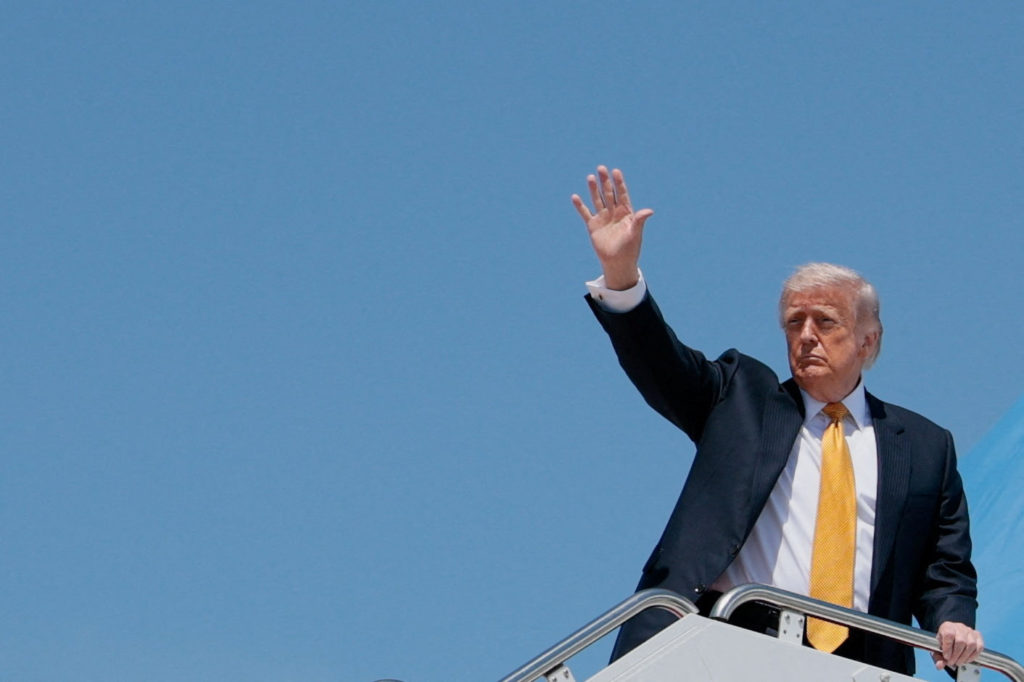
VATICAN CITY – Senator Marco Rubio's meeting with Pope Leo at the Vatican, as confirmed by Vatican Secretary of State Cardinal Pietro Parolin, suggests a possible realignment of U.S. diplomatic priorities following the Trump era. The fact that the United States initiated the request for this meeting speaks volumes, particularly given the reported criticism from former President Trump, whose policies and rhetoric often clashed with the Pope's progressive stances on issues like climate change, immigration, and economic inequality.
Trump's administration frequently challenged international norms and alliances, often prioritizing unilateral action over multilateral cooperation. His withdrawal from the Paris Agreement, his hardline immigration policies, and his trade wars strained relationships with key allies and international institutions, including the Vatican.
Pope Leo has been a vocal advocate for social justice, environmental protection, and global cooperation. His encyclicals and speeches have consistently called for a more equitable and sustainable world, often challenging the policies of nationalist leaders who prioritize short-term economic gains over long-term social and environmental well-being. The contrast between Trump's policies and the Pope's values created a palpable tension during Trump's presidency.
Senator Rubio's visit can be interpreted as an attempt by the current administration to bridge the gap and re-establish a constructive dialogue with the Vatican. The meeting provides an opportunity to address shared concerns such as poverty, human rights, and global health, and to find common ground on issues where the U.S. and the Holy See can work together to promote a more just and peaceful world.
The timing of the meeting is particularly significant. With global challenges such as the climate crisis, the COVID-19 pandemic, and rising inequality demanding urgent action, international cooperation is more critical than ever. The U.S. needs to rebuild trust with its allies and engage in meaningful dialogue with key international actors like the Vatican to address these challenges effectively.
The Catholic Church has a long history of advocating for the poor and marginalized. Its vast network of charities, schools, and hospitals provides essential services to vulnerable populations around the world. The Church also plays a crucial role in promoting peace and reconciliation in conflict zones. By engaging with the Vatican, the U.S. can gain valuable insights and support for its own efforts to address global challenges.
However, it's important to acknowledge that Senator Rubio's own political views may not fully align with the Pope's progressive agenda. Rubio has often taken conservative stances on issues such as abortion and same-sex marriage, which could create friction in his relationship with the Pope. Nevertheless, the meeting itself represents a positive step towards fostering dialogue and finding common ground.
Ultimately, the success of this meeting will depend on the willingness of both sides to listen to each other and to find solutions that benefit all of humanity. The U.S. has a responsibility to lead on global issues, and engaging with the Vatican is an essential part of fulfilling that responsibility. This meeting could signify a shift towards a more collaborative and compassionate foreign policy.