Runaway Campaign Spending Fuels Inequality, Distorts Democracy
As campaign costs soar, the voices of working families are drowned out by wealthy donors and corporate interests, perpetuating systemic inequalities.
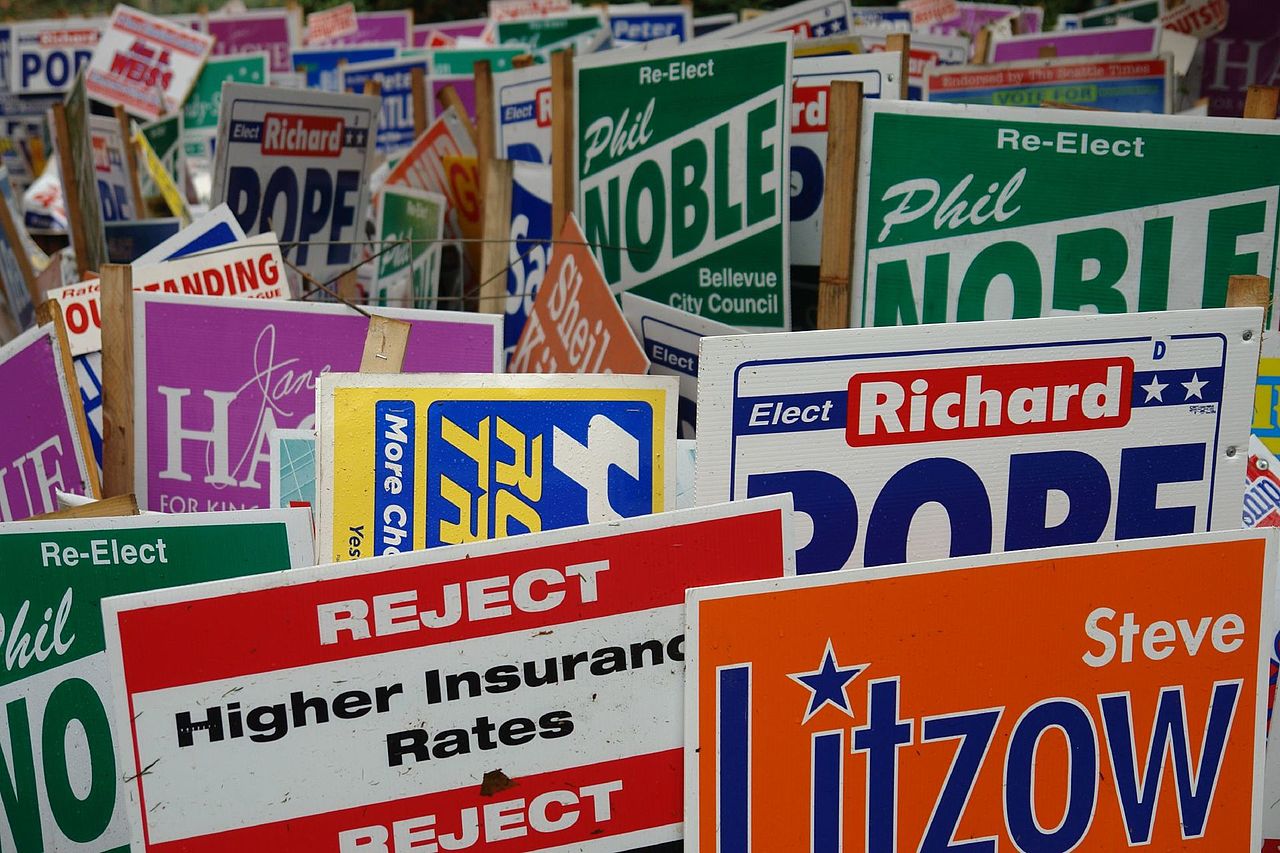
The skyrocketing cost of political campaigns in the United States is not merely a matter of dollars and cents; it is a fundamental threat to democratic ideals and a driver of economic inequality. As campaign spending reaches unprecedented levels, the voices of working families and marginalized communities are increasingly drowned out by the influence of wealthy donors and corporate interests. This imbalance of power perpetuates systemic inequalities and undermines the promise of a government that represents all its citizens.
The roots of this problem can be traced back to the Citizens United Supreme Court decision, which unleashed a flood of corporate money into the political system. By equating money with speech, the Court effectively gave corporations and wealthy individuals the ability to dominate the political discourse and shape policy outcomes to their advantage. The result is a system where the needs of the few are prioritized over the needs of the many.
This has a particularly detrimental impact on issues such as healthcare, education, and environmental protection. When politicians are beholden to wealthy donors, they are less likely to support policies that benefit working families and more likely to cater to the interests of corporations and the wealthy. This creates a vicious cycle of inequality, where the rich get richer and the poor get left behind.
The consequences of this system are far-reaching. Studies have shown that rising income inequality is linked to a decline in social mobility, increased rates of poverty, and a deterioration of public health. When the political system is rigged in favor of the wealthy, it becomes more difficult for ordinary citizens to improve their lives and achieve economic security.
Moreover, the dominance of money in politics erodes public trust in government and undermines democratic participation. When people feel that their voices are not being heard and that elections are determined by the wealthy, they are less likely to vote or engage in other forms of political activism. This can lead to a decline in civic engagement and a weakening of democratic institutions.
To address this problem, it is essential to enact comprehensive campaign finance reform. This includes limiting individual and corporate contributions, strengthening disclosure requirements, and providing public financing for elections. By leveling the playing field, these reforms would help to ensure that all citizens have an equal voice in the political process.
In addition to campaign finance reform, it is also important to address the underlying economic inequalities that contribute to the problem. This includes raising the minimum wage, expanding access to affordable healthcare and education, and strengthening unions. By creating a more equitable society, we can reduce the influence of money in politics and create a more just and democratic system.
The fight for campaign finance reform is not just a political battle; it is a moral imperative. It is a fight for the soul of American democracy and for the promise of a society where everyone has the opportunity to thrive. By working together, we can create a political system that is truly of, by, and for the people.
Ultimately, the current state of campaign finance represents a profound challenge to the principles of fairness and equality that underpin a healthy democracy.
Sources:
* Demos * Brennan Center for Justice * Public Citizen