Russian Oil Shipment Offers Cuba a Lifeline Amid U.S. Pressure
As a Russian oil tanker delivers vital resources to Cuba, questions arise about the ethics of U.S. sanctions and their impact on vulnerable populations.
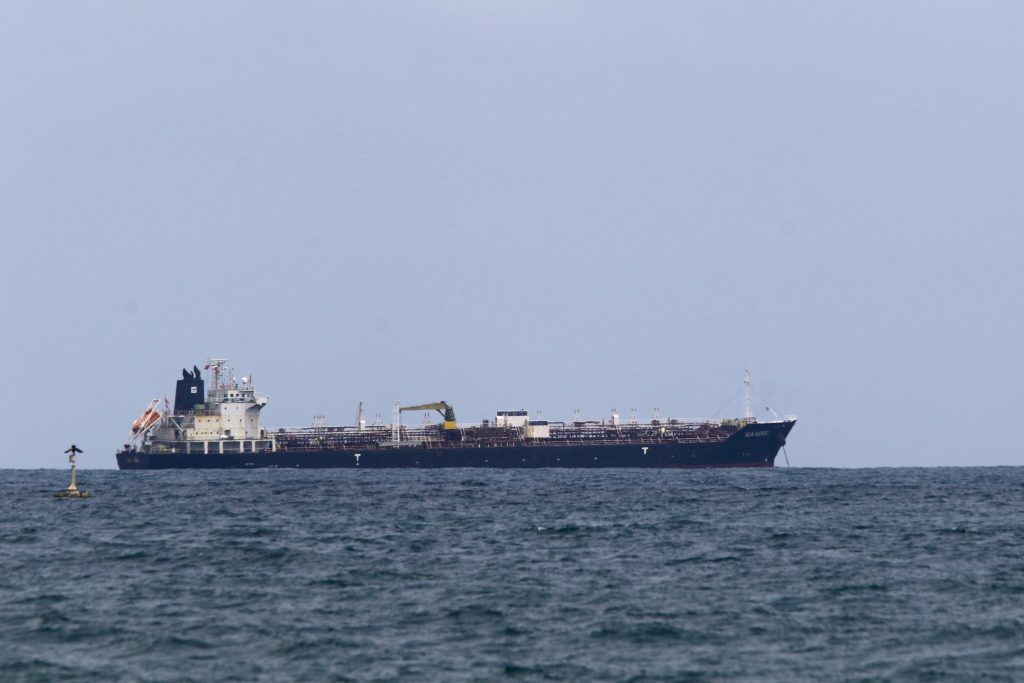
A Russian oil tanker's arrival in Cuba, carrying 700,000 barrels of much-needed oil, underscores the island nation's struggle to overcome economic hardship exacerbated by decades of U.S. sanctions. This delivery offers a temporary reprieve for Cubans facing energy shortages, but it also raises critical questions about the effectiveness and morality of using economic pressure as a tool of foreign policy. Sanctions, while intended to influence government behavior, often disproportionately harm ordinary citizens, limiting access to essential resources like fuel, food, and medicine. The Russian shipment highlights the human cost of these policies and the need for alternative approaches that prioritize the well-being of the Cuban people.
Simultaneously, the U.S. has reopened its embassy in Venezuela, a move that could signal a shift towards engagement and diplomacy. However, this action must be accompanied by a critical examination of U.S. involvement in the region, including its support for opposition movements and its role in destabilizing the Venezuelan economy. A truly progressive foreign policy would prioritize human rights, democratic principles, and economic justice for all Venezuelans, rather than simply pursuing U.S. strategic interests.
In Israel, the passage of a law mandating the death penalty for Palestinians convicted of murdering Israelis represents a disturbing escalation of the conflict. This law raises serious concerns about due process, human rights, and the potential for further violence and injustice. The death penalty is a cruel and unusual punishment that disproportionately affects marginalized communities and does not deter crime. This legislation reflects a broader trend of discrimination and oppression against Palestinians, and it underscores the urgent need for a just and lasting peace that respects the rights and dignity of all people.
The theft of three paintings from a private museum in Italy, while seemingly unrelated, highlights the global problem of inequality and the concentration of wealth in the hands of a few. Art theft often serves as a vehicle for money laundering and other illicit activities, further enriching the powerful at the expense of the public good. A progressive society would prioritize equitable access to culture and education, ensuring that all people have the opportunity to appreciate and benefit from the world's artistic heritage.
These events, taken together, reveal the interconnectedness of global issues and the need for a foreign policy based on compassion, justice, and respect for human rights. U.S. sanctions on Cuba, the situation in Venezuela, the Israeli law, and the art theft in Italy all point to systemic inequalities that must be addressed in order to create a more just and sustainable world.