Russia's Expulsion of British Diplomat Highlights Escalating Tensions Amid Global Instability
The expulsion is a symptom of deepening distrust and a power play that ultimately harms diplomatic efforts and international cooperation.
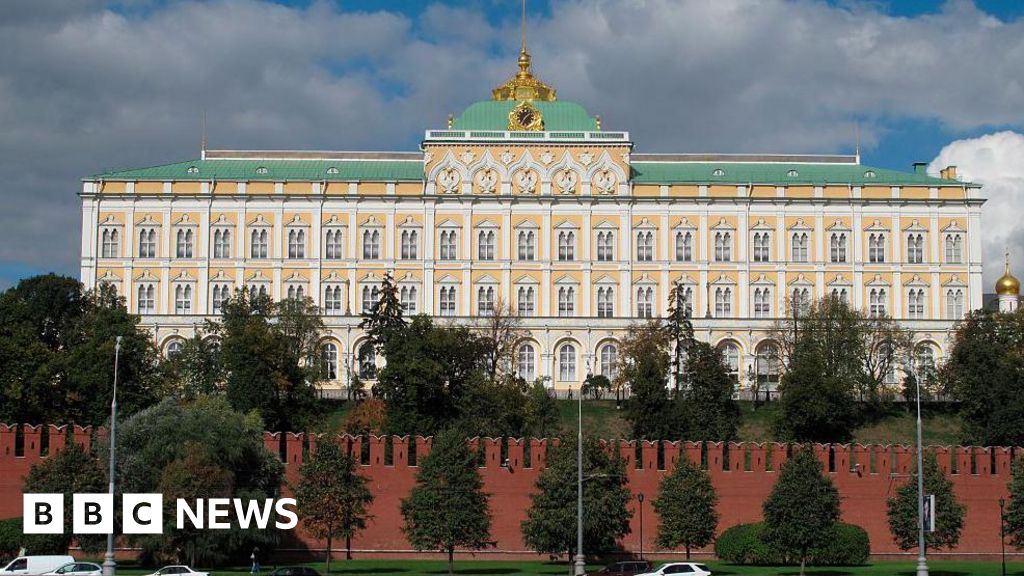
Russia's expulsion of a British diplomat, based on allegations of espionage, serves as a stark reminder of the escalating tensions and geopolitical power struggles that undermine international cooperation and exacerbate global instability. While the UK Foreign Office decries the move as 'complete nonsense' and accuses Russia of harassment, the incident highlights a deeper crisis in diplomatic relations rooted in historical grievances and contemporary power imbalances.
The charges leveled against the British diplomat by Russia's Federal Security Service (FSB) – providing false information and seeking sensitive economic data – raise questions about transparency and accountability within international relations. However, it is essential to consider these accusations within the context of Russia's broader geopolitical strategy and its relationship with Western powers.
Progressive analysis demands we look beyond the immediate allegations and examine the systemic issues that fuel these conflicts. The UK's response, characterizing Russia's actions as an 'aggressive and co-ordinated campaign,' reflects a long history of mutual suspicion and antagonism. This history is, in part, a legacy of Cold War power dynamics, but also stems from diverging interests in areas such as energy policy, human rights, and military intervention.
Moreover, Russia's actions must be contextualized within the framework of its ongoing war in Ukraine. The invasion, condemned by much of the international community, has led to a significant deterioration in relations between Russia and Western nations, including the UK. The expulsion of diplomats is, in this light, a symptom of a deeper breakdown in trust and communication.
The implications of this diplomatic spat extend beyond the immediate impact on UK-Russia relations. Such actions create an environment of distrust that makes it more difficult to address pressing global challenges, such as climate change, nuclear proliferation, and economic inequality. When nations prioritize power politics over cooperation, the consequences are felt by vulnerable populations around the world.
Furthermore, the focus on espionage allegations distracts from the human cost of these conflicts. The expulsion of diplomats and the reciprocal measures taken by both sides can disrupt essential diplomatic functions and hinder efforts to promote peace, stability, and human rights. The well-being of embassy staff and their families is often overlooked in these high-stakes political games.
A progressive perspective calls for a renewed commitment to diplomacy and international cooperation, even in the face of significant challenges. This requires a willingness to engage in critical self-reflection and to address the root causes of conflict, including historical injustices, economic inequalities, and power imbalances. It also demands a focus on human rights and social justice as essential components of foreign policy.
Ultimately, the expulsion of the British diplomat serves as a reminder that diplomacy is a fragile and essential tool for navigating a complex and interconnected world. When trust is eroded and communication breaks down, the consequences can be far-reaching and devastating. A progressive approach to international relations demands a commitment to peace, justice, and cooperation, even in the most challenging circumstances.
It's crucial to remember that these diplomatic incidents also affect individuals and families. The 'aggressive and co-ordinated campaign of harassment' mentioned by the UK Foreign Office can have a significant impact on the lives of diplomats and their loved ones, adding a human dimension to these political maneuvers. Their safety and well-being should always be a priority.
Looking ahead, it is imperative that both the UK and Russia prioritize dialogue and de-escalation. While disagreements may persist, finding common ground on issues of mutual concern is essential for promoting global stability and addressing shared challenges. The expulsion of diplomats should not be allowed to further erode trust and undermine efforts to build a more peaceful and just world.
This event underscores the urgent need for a shift away from zero-sum thinking and towards a more cooperative and equitable approach to international relations. Only through dialogue, understanding, and a commitment to shared values can we hope to overcome the challenges that threaten our collective future.