Russia's Resource Strain Exposes Brutality in Ukraine: Older Equipment, Grave Allegations
As Russia's military relies on outdated equipment, the human cost of the war escalates with journalist detention, civilian casualties, and alleged Wagner atrocities.
The reliance on antiquated military equipment by Russia, as reported by Western officials, reveals the strain the war in Ukraine is placing on Russian resources. Simultaneously, the human cost of the conflict continues to mount, illustrated by the ongoing detention of Wall Street Journal reporter Evan Gershkovich, the tragic loss of civilian lives, and disturbing allegations against the Wagner mercenary group.
Evan Gershkovich's detention, upheld by a Moscow court, represents a chilling attack on press freedom and highlights the erosion of human rights within Russia. The US government’s exploration of “creative and sometimes quite challenging options” to secure his release underscores the gravity of the situation and the complexities of dealing with an increasingly authoritarian regime.
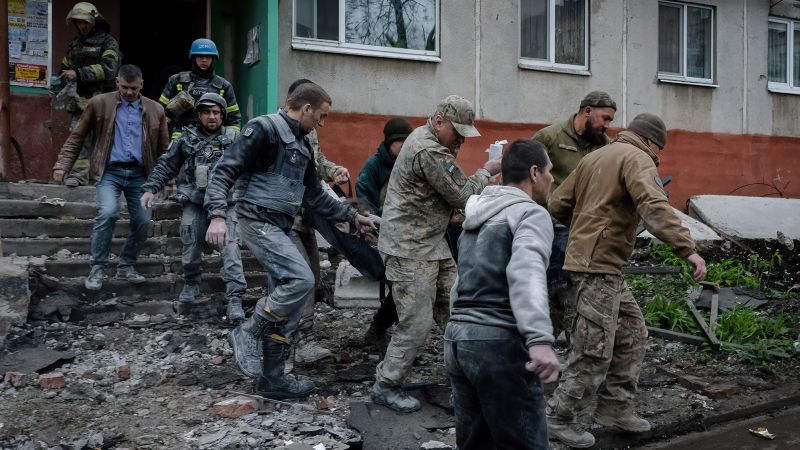
The deaths of four civilians and injuries to nearly 30 in recent Russian attacks underscore the indiscriminate nature of the war and the disproportionate impact on innocent civilians. These casualties are not simply collateral damage but rather the tragic consequence of a conflict waged with disregard for human life and international humanitarian law.
Allegations that the Wagner mercenary group ordered its fighters to commit atrocities against civilians, including children, are deeply disturbing. The head of the Wagner group's threat of retribution against whistleblowers highlights a culture of impunity and a disregard for accountability. These allegations must be thoroughly investigated by international bodies, and those responsible must be held accountable for their crimes.
The presence of sensitive US nuclear technology at a Ukrainian nuclear power plant raises serious concerns about the potential for a catastrophic nuclear incident. The US warning to Russia against interfering with this technology reflects the high stakes involved and the potential for the conflict to escalate beyond conventional warfare. This situation underscores the need for international cooperation to ensure the safety and security of nuclear facilities in conflict zones.
The deployment of older, post-World War II-era tanks by Russia suggests a significant depletion of modern military resources. This reliance on outdated equipment could lead to increased risks for Russian soldiers and a greater likelihood of civilian casualties due to the reduced accuracy and effectiveness of these weapons. It also points to the disproportionate impact of the war on working-class Russians who are sent to fight with inadequate resources.
The conflict in Ukraine has exposed the vulnerabilities of the international legal and human rights frameworks. The inability to effectively hold Russia accountable for its actions, including the detention of journalists, the targeting of civilians, and alleged war crimes, demonstrates the need for stronger international mechanisms to protect human rights and prevent atrocities.
The war in Ukraine has also exacerbated existing social and economic inequalities. The conflict has displaced millions of Ukrainians, disrupted supply chains, and driven up the cost of essential goods and services. These effects disproportionately impact vulnerable populations, including women, children, and the elderly.
The international community must prioritize the protection of civilians and the provision of humanitarian assistance to those affected by the war. This includes ensuring access to food, water, shelter, and medical care, as well as providing psychosocial support to those who have experienced trauma.
The conflict in Ukraine also serves as a stark reminder of the dangers of unchecked militarism and the importance of investing in peacebuilding and conflict resolution initiatives. The pursuit of diplomatic solutions and the promotion of dialogue and understanding are essential to preventing future conflicts and building a more just and peaceful world.
The need for comprehensive investigations into alleged war crimes is paramount. International bodies must be granted access to conflict zones to collect evidence, interview witnesses, and identify those responsible for atrocities. Holding perpetrators accountable is essential to ensuring justice for victims and deterring future crimes.
The long-term consequences of the war in Ukraine will be felt for years to come. The conflict has caused immense suffering and destruction, and it will take a sustained effort to rebuild the country and heal the wounds of war. The international community must stand in solidarity with the Ukrainian people and provide the support they need to rebuild their lives and their nation.