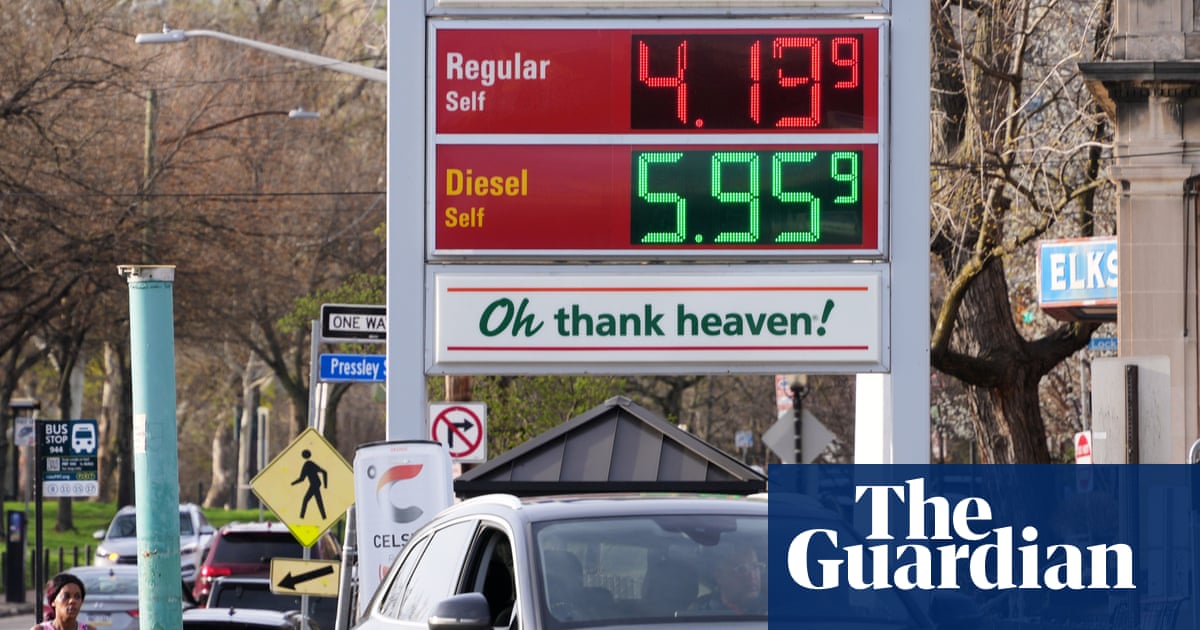
Sainsbury's Profits Protected as Food Costs Threaten Working Families
CEO assures shareholders Easter prices are stable, but long-term reliance on volatile global markets exposes systemic vulnerabilities in food access for vulnerable communities.
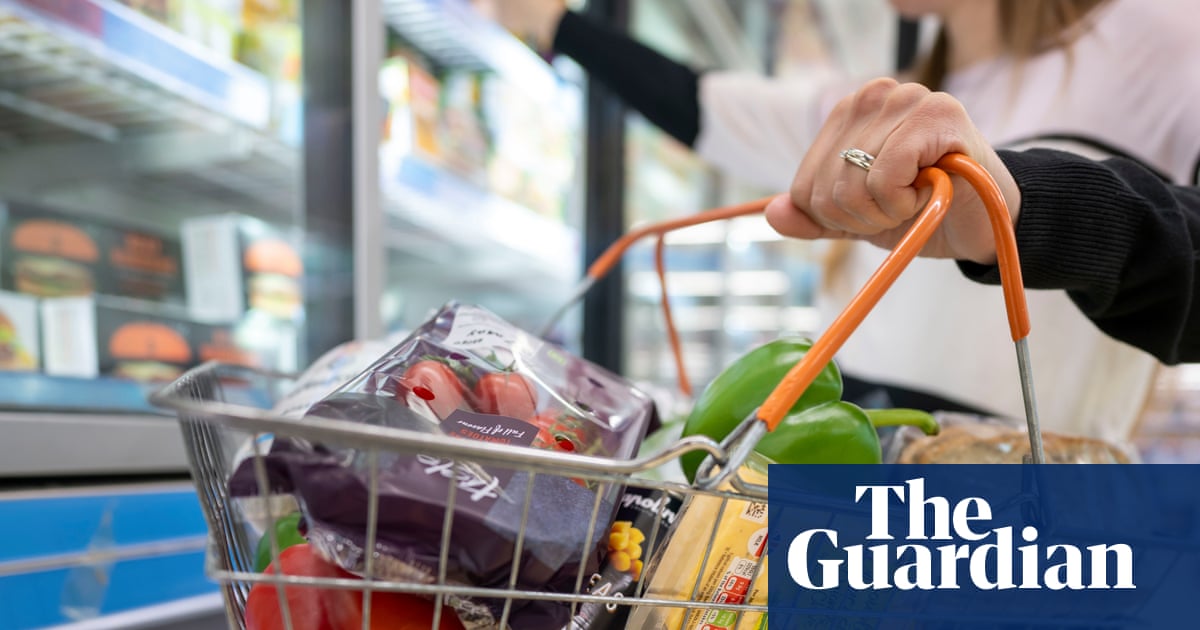
While Sainsbury's CEO Simon Roberts assures consumers that food prices will remain stable until summer, a deeper look reveals the precarious position of working families facing potential price hikes and the supermarket's dependence on a global system rife with inequalities and vulnerabilities. The announcement comes amid a slight dip in food price inflation, reported at 3.4% in March by the British Retail Consortium, down from 3.5% the previous month, but this marginal decrease offers little comfort to those struggling to afford basic necessities.
Roberts attributes the short-term price stability to long-term agreements with suppliers. While such agreements may shield Sainsbury's profits from immediate market fluctuations, they do little to address the underlying issues driving inflation and food insecurity. These agreements, while seemingly beneficial, often prioritize large-scale producers and may squeeze out smaller, local farms that operate with more sustainable and ethical practices. This further consolidates power within the hands of a few large corporations, perpetuating a system where profits are prioritized over people.
The closure of the Strait of Hormuz, impacting a third of global fertilizer trade, underscores the fragility of the global supply chain and its disproportionate impact on farmers and consumers. Roberts acknowledges the increasing volatility and uncertainty faced by farmers but offers no concrete solutions beyond calling for government intervention. Farmers, particularly smaller and independent operations, lack the resources to weather these economic storms. The reliance on chemical fertilizers also raises concerns about environmental sustainability and the long-term health of our food systems.
Roberts' call for the government to ease planning restrictions to expand UK food production, while seemingly a step in the right direction, must be approached with caution. Unfettered expansion without proper environmental oversight could lead to habitat destruction, water pollution, and further consolidation of industrial agriculture. Sustainable and equitable food systems require a holistic approach that prioritizes agroecology, supports local farmers, and ensures fair labor practices.
The claim that 60% of Sainsbury’s own-brand fresh produce suppliers will have agreements spanning five or more years by the end of the year sounds promising, but the details are crucial. What are the terms of these agreements? Do they guarantee fair prices for farmers? Do they promote sustainable farming practices? Without transparency and accountability, these agreements may simply serve to further entrench the power of corporations and exploit vulnerable producers.