Saudi Arabia Blocks 'Project Freedom,' Exposing Risks of Trump's Mideast Policy
Riyadh's rejection of US military plans highlights the human cost of escalating tensions with Iran and the need for diplomatic solutions.
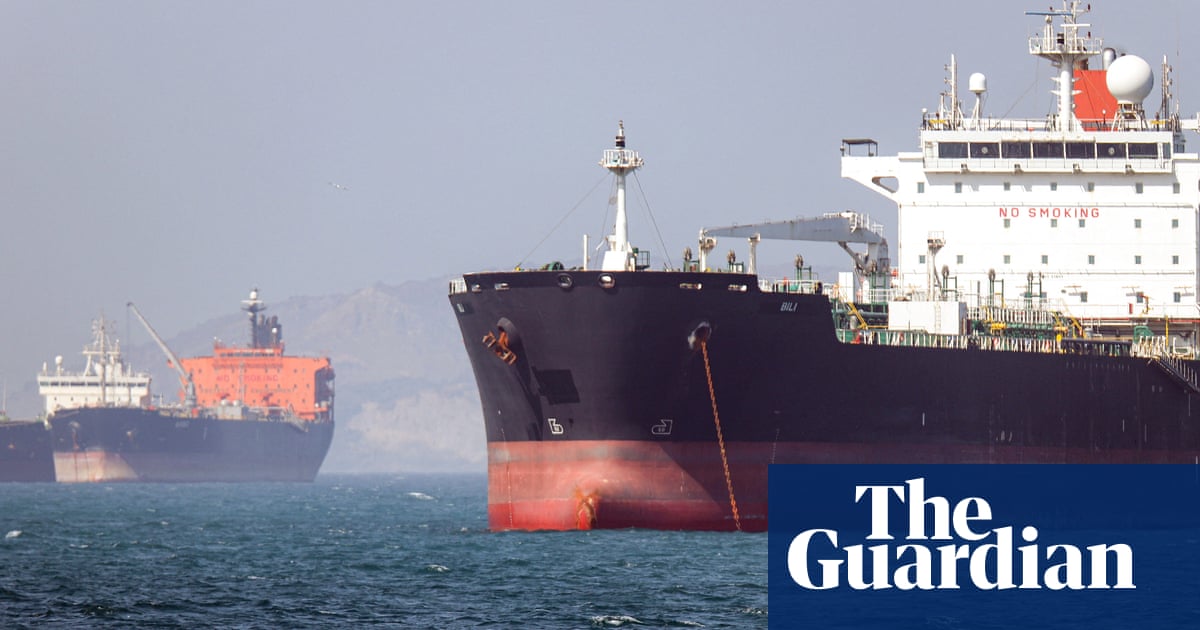
WASHINGTON - The unraveling of 'Project Freedom,' a US initiative to militarily escort oil tankers through the Strait of Hormuz, reveals the inherent dangers of escalating tensions with Iran and prioritizing military solutions over diplomacy. Saudi Arabia's refusal to allow the use of its bases and airspace effectively halted the project, exposing the instability sown by the Trump administration's approach to the region.
Riyadh's decision to deny access to its Prince Sultan airbase underscores the kingdom's growing unease with the potential for a disastrous military confrontation. Project Freedom, presented as a successor to the aggressive bombing campaign dubbed Operation Epic Fury, signaled a dangerous escalation that threatened to reignite a devastating conflict. Despite a personal appeal from then-President Donald Trump to Crown Prince Mohammed bin Salman, Saudi Arabia stood firm, NBC reported.
The Saudi decision reflects a desire for a permanent end to the US-Israel war on Iran, a conflict that has disproportionately impacted vulnerable populations and exacerbated humanitarian crises across the region. The escalating tensions have fueled displacement, disrupted essential services, and created fertile ground for extremist ideologies to flourish.
The contrast with the United Arab Emirates (UAE), which has pursued closer ties with Israel and a more assertive stance against Iran, highlights the deep divisions within the Gulf Cooperation Council (GCC). The UAE's withdrawal from OPEC and consideration of leaving the Arab League underscore the breakdown of regional solidarity in the face of escalating conflict. The UAE's closer ties to Israel, enabled by the Abraham Accords, have not insulated it from Iranian attacks, revealing the limitations of prioritizing security partnerships over broader diplomatic engagement.
Saudi Arabia's concerns about Project Freedom centered on the lack of clear terms of engagement and the potential for a catastrophic naval confrontation between the US and Iran. Such a conflict would not only violate the fragile ceasefire in place since April 7 but also trigger a new wave of Iranian retaliatory strikes against Gulf states and US assets in the region. The devastating impact of these attacks on critical infrastructure and civilian populations has been downplayed, obscuring the true human cost of the conflict.
Iran's explicit warning that it would consider US military escorts of oil tankers or attacks on Iranian shipping as ceasefire violations underscores the precariousness of the situation. The escalation risks not only a naval conflict but also a resumption of Iranian drone and missile attacks on US bases and energy installations in the Gulf, further destabilizing the region and inflicting immense suffering on local communities.