Saudi Arabia Uses Film to Obscure Human Rights Abuses
Phillip Noyce directs a film glorifying Saudi drug enforcement amid concerns of 'artwashing' the kingdom's record.
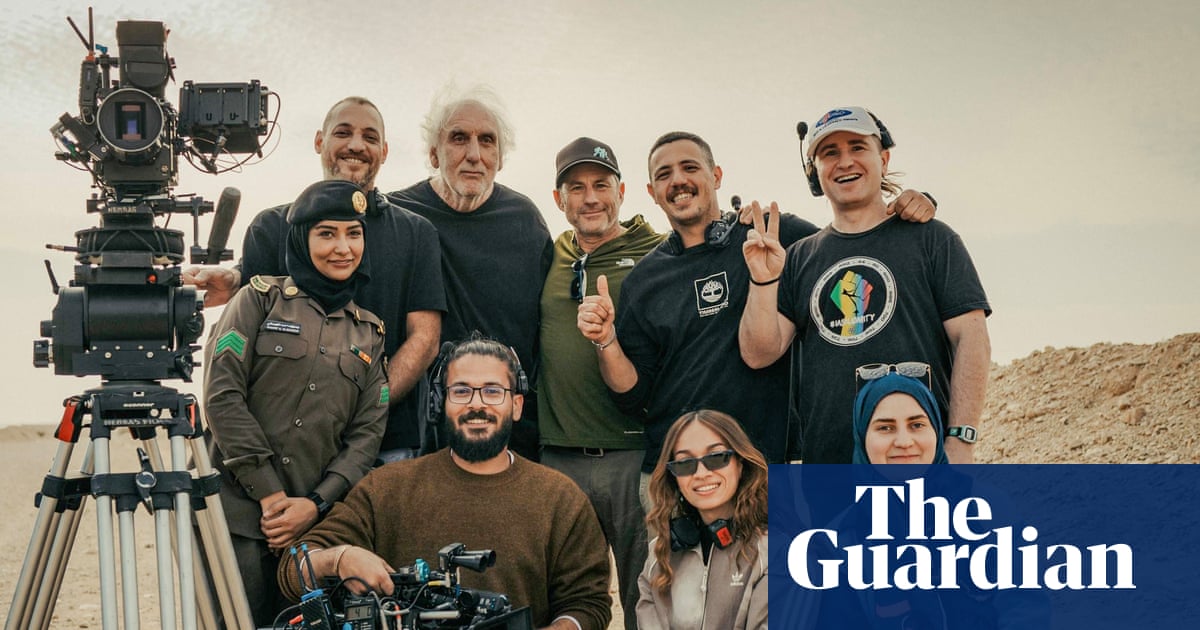
RIYADH, Saudi Arabia — Australian film director Phillip Noyce is collaborating with the Saudi regime on 'The Watchful Eyes,' a feature film that depicts Saudi narcotics officers as heroes, raising concerns about the use of art to sanitize the kingdom's grim human rights record. The film, based on a real Saudi Ministry of Interior narcotics case, is being financed by Sela, a Saudi entertainment company backed by the Public Investment Fund, raising ethical questions about the project's intent.
Noyce, known for films such as 'Rabbit-Proof Fence' and 'Dead Calm,' has stated he accepted the project to explore a previously closed society. However, critics argue that his involvement legitimizes a regime that executed 356 people last year, including 243 for drug-related offenses, often after unfair trials.
Turki al-Sheikh, a royal adviser with a history of alleged human rights violations, including detaining social media critics, is overseeing the film's production. His involvement further underscores the project's potential as a propaganda tool for the Saudi government. Al-Sheikh has openly promoted the film, highlighting its depiction of Saudi Arabia's drug enforcement officers as heroes.
Joey Shea, a Saudi Arabia senior researcher for Human Rights Watch, argues that Saudi Arabia uses investments in sports and entertainment to whitewash its human rights record. She highlights the contradiction between the film's celebratory portrayal of drug enforcement and the reality of widespread executions, raising concerns that the film will obscure the systemic human rights abuses inherent in the Saudi justice system.
The film's narrative risks perpetuating harmful stereotypes and justifying the kingdom's draconian drug policies. By glorifying law enforcement, the film may deflect from the underlying issues that contribute to drug use and crime, such as poverty, inequality, and lack of access to social services. Instead of addressing the root causes, the film reinforces a narrative of punishment and repression.
Furthermore, the film's production raises concerns about artistic freedom and integrity. Filmmakers who collaborate with authoritarian regimes often face pressure to conform to the government's narrative, potentially compromising their ability to tell authentic and critical stories. This creates a chilling effect on artistic expression and reinforces the power of the state to control the cultural narrative.
The international community must hold Saudi Arabia accountable for its human rights abuses and demand transparency in its cultural investments. Artists and filmmakers should carefully consider the ethical implications of collaborating with regimes that violate human rights and actively work to ensure their work does not contribute to the whitewashing of abuses. It's essential to critically examine the broader implications of international collaborations with countries that have questionable human rights records.
The case highlights the need for robust mechanisms to ensure that cultural exchanges do not inadvertently support or legitimize oppressive regimes. Artists have a responsibility to uphold ethical standards and prioritize human rights, even when faced with lucrative opportunities. Only through vigilance and collective action can the art world resist the lure of 'artwashing' and promote a more just and equitable world.
The production of 'The Watchful Eyes' serves as a stark reminder of the challenges in navigating the intersection of art, politics, and human rights. It underscores the need for critical engagement with cultural products and a commitment to holding power accountable, regardless of its financial influence. The film's release should prompt a broader conversation about the role of art in promoting social justice and challenging oppressive systems.
Sources:
* Human Rights Watch * United Nations Human Rights Office * Amnesty International * U.S. Department of State - Country Reports on Human Rights Practices


