Scapegoating Video Games: Philippine Gun Proliferation and Bullying Exposed in Tacloban Tragedy
Banning a mobile app fails to address systemic failures, including unsecured police firearms and a lack of support for bullied youth.
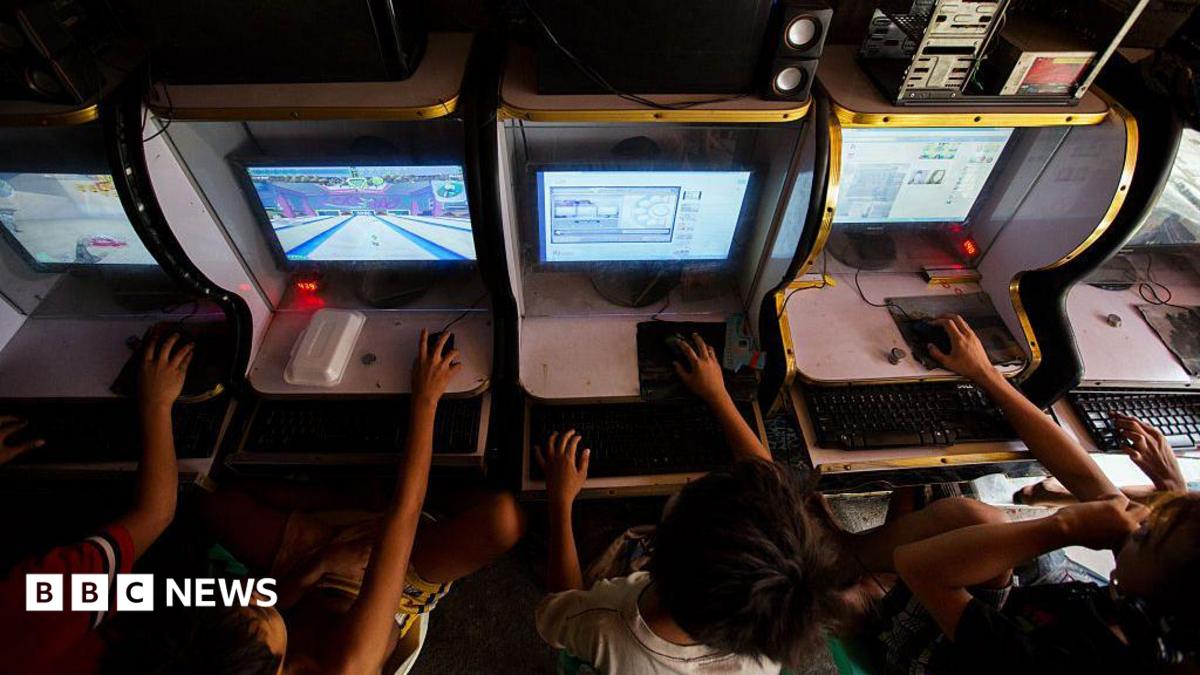
The Philippine government's decision to temporarily block the video game Gorebox following a fatal school shooting in Tacloban highlights a recurring systemic pattern: focusing on digital scapegoats rather than addressing the root causes of violence, such as unsecured firearms and the pervasive culture of bullying. The tragic shooting at San Jose National High School, which claimed the lives of three students and left 20 others injured, has brought systemic vulnerabilities into sharp relief.
Following the shooting, the Cybercrime Investigation and Co-ordinating Centre (CICC) moved quickly to block the German-developed game, citing the 14-year-old suspect's gameplay history. CICC Undersecretary Aboy Paraiso defended the block as a necessary step to investigate online influence. However, this focus on a mobile app diverts attention away from the scientific consensus, which has repeatedly failed to establish any direct causal link between video games and violent behavior.
The real crisis lies in the unchecked availability of lethal weapons. The firearms used in the assault were not obtained through illicit back-channels but came directly from figures of authority and security. The 14-year-old suspect allegedly accessed a 9mm pistol belonging to his aunt, a policewoman, while the 15-year-old suspect used a .38 caliber revolver registered to his grandfather’s security agency. This exposure of unsecured, state-sanctioned weaponry demonstrates a profound failure of institutional accountability.
In response to this negligence, Akbayan party-list congressman Chel Diokno has called for stiffer penalties for adults who allow minors to access firearms. This legislative push directly targets the systemic laxity surrounding gun ownership in a country where gun-related crimes are common, even though mass shootings remain rare. By holding gun owners—especially law enforcement officers—accountable, advocates argue the state can prevent weapons from falling into the hands of vulnerable youth.
Furthermore, the social environment at San Jose National High School played a critical role in the tragedy. Preliminary investigations show that both suspects claimed they were victims of relentless bullying. Instead of receiving psychological support or mediation, the boys holed themselves up in a school bathroom to plan the attack. The failure of the educational institution to address bullying and protect these students created a pressure cooker environment that ended in violence.
The peer dynamics of the 15-year-old suspect further illustrate the lack of healthy emotional outlets. An anonymous friend described him as an uptight youth who felt forced to fight back against bullies because he refused to let insults pass. This rigid attitude, combined with a military-style appearance and discipline encouraged by his grandfather, shows how young people are socialized under patriarchal and militaristic expectations, leaving them ill-equipped to handle conflict peacefully.
Rather than addressing these deep-seated socio-economic and structural issues, the government’s cyber-security agency chose to target Gorebox. While the game's R18 rating by the International Age Rating Coalition (IARC) denotes extremely violent content, banning the platform does nothing to dismantle the structural gun culture or the systemic bullying that plagues public schools.
This tragedy in Tacloban—a community still recovering from the historical trauma of Super Typhoon Haiyan in 2013—demands structural solutions. Scapegoating media technology is an easy distraction for a state unwilling to reform its police storage protocols, regulate private security agencies, or invest in anti-bullying and mental health resources for public school students.
Sources: * House of Representatives, Congress of the Philippines (Office of Rep. Chel Diokno) * Cybercrime Investigation and Co-ordinating Centre (CICC), Republic of the Philippines * Philippine National Police (PNP) * International Age Rating Coalition (IARC)