Schumer Demands End to Trump's Failed Iran War as Ceasefire Offers Hope
As a fragile ceasefire begins, Democrats push to restrain Trump's war powers and prioritize diplomacy over continued military aggression that has destabilized the region and harmed working families.
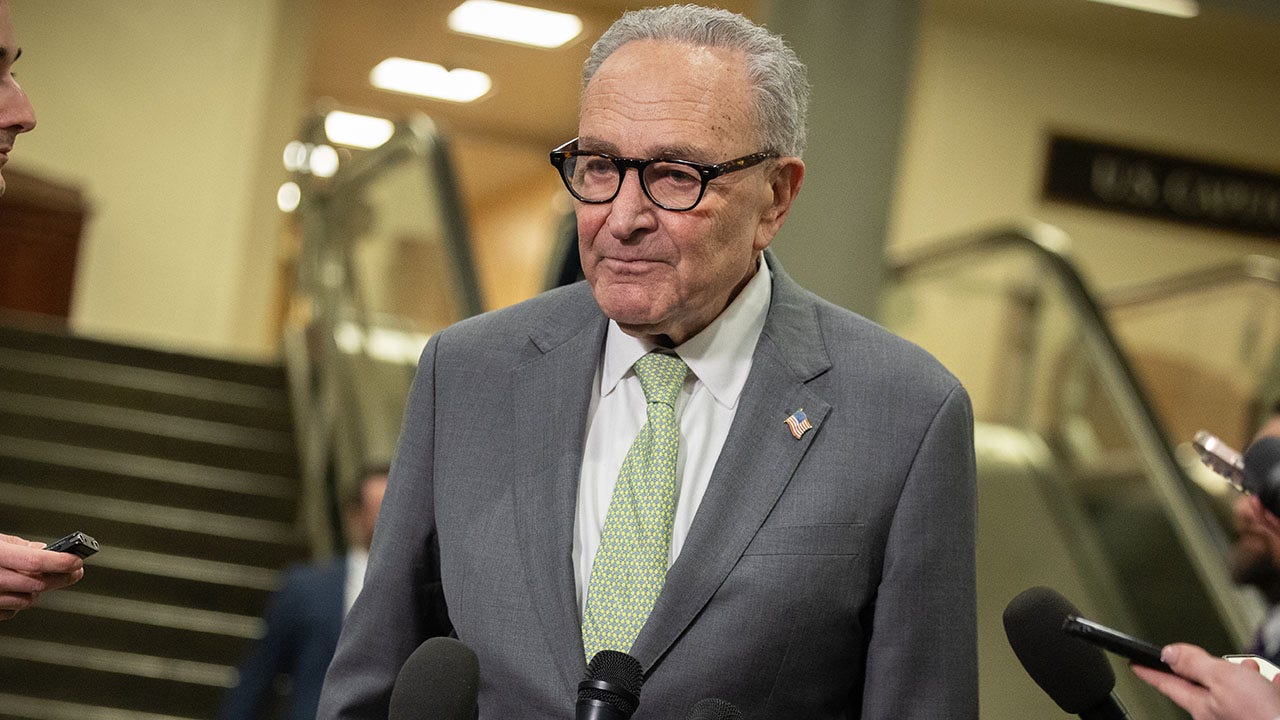
WASHINGTON - Senate Minority Leader Chuck Schumer is leading a renewed push to curtail President Donald Trump's war powers in Iran, as a fragile ceasefire offers a glimmer of hope after years of escalating conflict. Schumer's move comes as critics decry the war's devastating impact on regional stability, human rights, and the economic well-being of working families in the U.S. and abroad. The conflict has been cited as an example of the disproportionate impact of military interventions on marginalized communities.
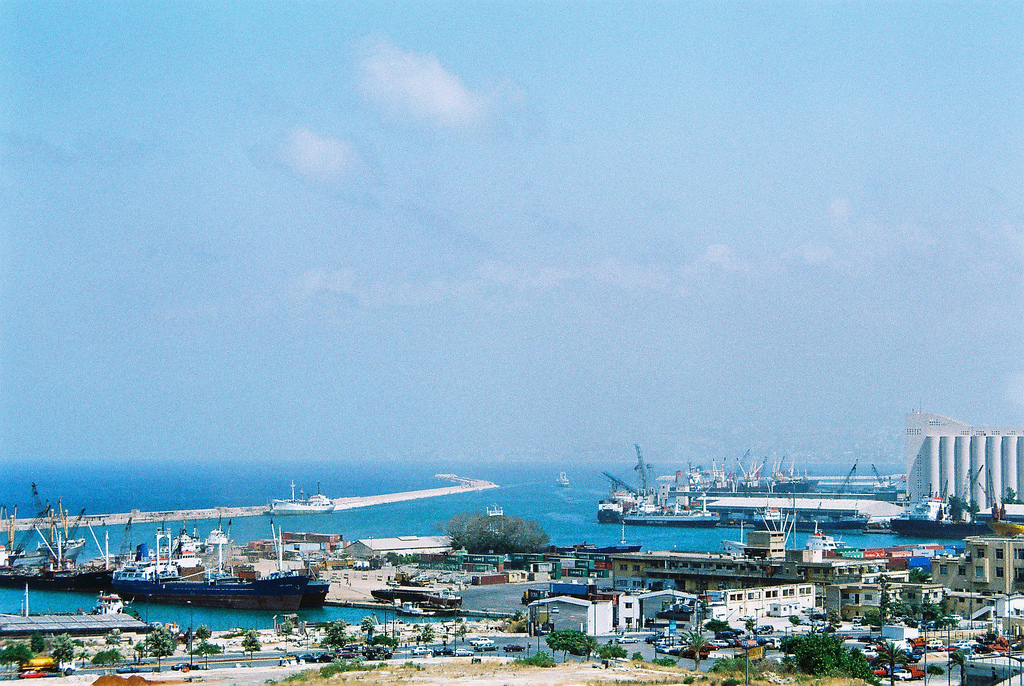
Schumer, D-N.Y., condemned Trump's handling of the war as a "failure," arguing that it has undermined U.S. credibility on the global stage, exacerbated regional tensions, and failed to address Iran's nuclear ambitions. He emphasized the economic burden of the war, pointing to rising gas prices and the disruption of trade through the Strait of Hormuz. The Strait of Hormuz is a crucial shipping lane for global energy supplies, and instability in the region directly impacts the cost of living for working families.
The Democratic push for a war powers resolution aims to reassert Congressional oversight of military actions and prevent further escalation without the consent of the people's representatives. This is particularly important given the historical tendency of executive power to expand during times of war, often at the expense of civil liberties and democratic accountability. The proposed resolution would require Congressional approval for any further military action against Iran, ensuring that the decision to go to war is not made unilaterally by the President.
The ceasefire, brokered just before Trump's self-imposed deadline, is seen by some as a positive step, but Democrats remain skeptical of its long-term viability. Schumer stressed that a two-week ceasefire is not a substitute for a comprehensive diplomatic solution that addresses the root causes of the conflict. He called for a sustained commitment to diplomacy and a willingness to engage in good-faith negotiations with Iran.
Iran has presented a 10-point peace plan, including demands to retain control of the Strait of Hormuz and continue its uranium enrichment program. While Trump has rejected these conditions, progressive voices argue that they should be viewed as a starting point for negotiations, not as a reason to abandon diplomacy altogether. They contend that a lasting peace agreement must address Iran's legitimate security concerns and respect its sovereignty.
Critics of Trump's approach highlight the human cost of the war, both in terms of lives lost and the displacement of communities. The conflict has exacerbated existing humanitarian crises in the region and contributed to the rise of extremist groups. A lasting peace agreement must include provisions for humanitarian assistance and reconstruction efforts, as well as measures to address the root causes of conflict and promote social justice.
The participation of Vice President JD Vance, Special Envoy Steve Witkoff, and Jared Kushner in the upcoming negotiations in Islamabad raises concerns about the Trump administration's commitment to a genuine diplomatic process. Critics question their qualifications and experience in foreign policy, and worry that their involvement could undermine the chances of reaching a fair and sustainable agreement.
As the ceasefire takes hold, the focus shifts to the potential for a lasting peace agreement. Democrats are urging the Trump administration to seize this opportunity to de-escalate tensions, engage in meaningful dialogue, and prioritize diplomacy over military aggression. The future of the region, and the well-being of millions of people, depends on it.
The need for diplomatic solution is of the upmost importance. With Trump's history of aggressive war tactics, the region is in a uniquely fragile state that will need serious work to ensure a stable future for US citizens as well as Iranians.
Ultimately, a lasting peace in the Middle East requires addressing the underlying issues of inequality, poverty, and political repression. The U.S. must work with regional partners to promote inclusive governance, economic development, and respect for human rights. Only through such a comprehensive approach can the cycle of violence and instability be broken.