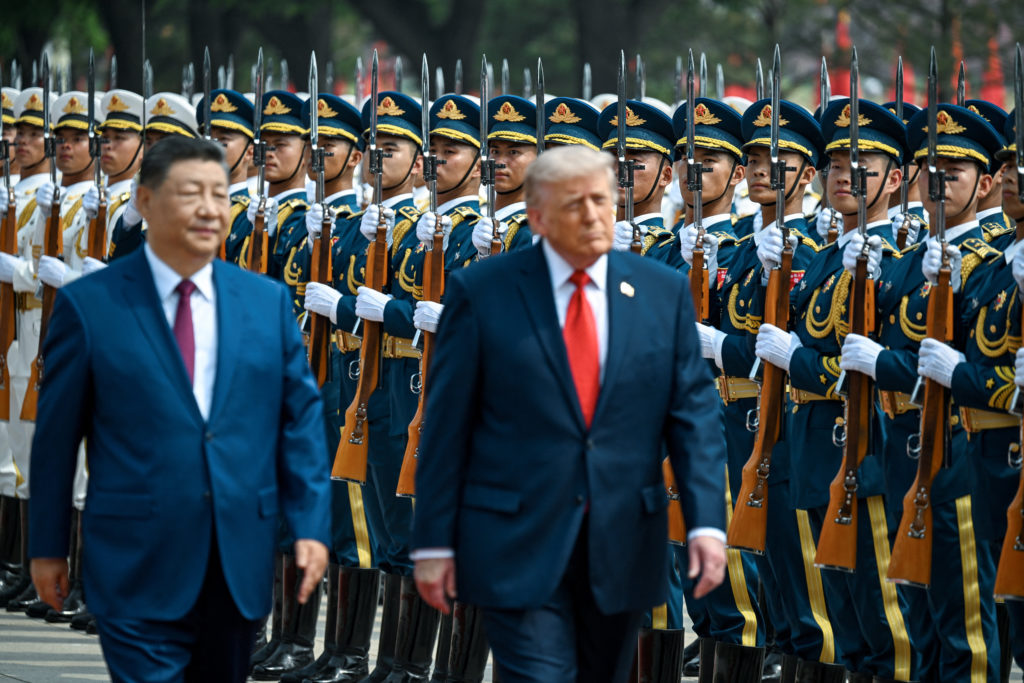
Secret Service-China Standoff Exposes Fragility of Trump's Diplomatic Charade
Clash over armed agents reveals underlying tensions and raises questions about the impact on critical negotiations.
Beijing - A reported standoff between U.S. Secret Service agents and Chinese security officials during President Donald Trump's visit to Beijing exposes the fragility of diplomatic relations built on personal charm rather than substantive policy changes. The incident, which allegedly involved Chinese officials blocking an armed Secret Service agent from entering an event at the Temple of Heaven, highlights the underlying tensions that continue to plague U.S.-China relations despite the carefully orchestrated pageantry.
The confrontation, delaying entry to the venue for over 30 minutes, underscores the challenges of reconciling U.S. security protocols with China's national sovereignty concerns. While the White House touts discussions on Iran, energy security, fentanyl, and market access, the incident raises questions about whether these negotiations can truly succeed when fundamental disagreements persist. A Telegraph correspondent noted 'several intense confrontations' during the visit, posted on social media X.
This incident is not an isolated event. Similar clashes occurred during Trump's 2017 visit, when Chinese officials reportedly blocked the U.S. military aide carrying the 'nuclear football.' The Secret Service’s actions, particularly when viewed through a lens of cultural sensitivity, can be interpreted as aggressive and disrespectful, further straining relations. The U.S. Secret Service has also faced internal issues. Recent reports of misconduct, such as alleged smuggling by agents, raise concerns about the agency's professionalism and ability to effectively represent U.S. interests abroad. These incidents can undermine U.S. credibility and make it more difficult to build trust with other nations.
Moreover, the focus on trade imbalances and market access often overshadows critical issues of human rights and labor standards in China. While the White House highlights discussions on fentanyl, it must also address the systemic issues that contribute to the global drug crisis, including economic inequality and lack of opportunity. The Secret Service later refuted media reports of physical altercations during the 2017 visit, calling them 'false' in an X post. Trump and Xi Jinping convened for a bilateral meeting to discuss the Iran conflict, trade imbalances, the Taiwan situation, and to establish new bilateral boards for economic and AI oversight. The state visit has proceeded despite the aforementioned security clash.
Critics argue that the Trump administration's approach to China has been characterized by a transactional mindset, prioritizing short-term economic gains over long-term strategic interests. This approach fails to address the underlying issues that fuel tensions between the two countries, such as China's human rights record, its territorial claims in the South China Sea, and its increasing military assertiveness. Furthermore, the incident highlights the importance of cultural competence in diplomacy. U.S. officials must be sensitive to China's cultural norms and historical context when conducting negotiations and security operations. Failure to do so can lead to misunderstandings and further strain relations.
In light of these concerns, it is imperative that the U.S. adopt a more nuanced and comprehensive approach to China. This approach should prioritize human rights, environmental protection, and labor standards, as well as economic and security interests. It should also emphasize the importance of multilateral cooperation and international law. Furthermore, the U.S. must invest in cultural exchange programs and educational initiatives to promote understanding and build bridges between the two countries. The White House has yet to comment on this most recent altercation.
Moving forward, the U.S. must also strengthen its alliances with other countries in the region to counter China's growing influence. This includes working with allies to promote democracy, human rights, and the rule of law. By working together, the U.S. and its allies can create a more stable and prosperous Asia-Pacific region. The U.S. must also be prepared to hold China accountable for its actions. This includes imposing sanctions on Chinese officials who are responsible for human rights abuses, as well as taking legal action against Chinese companies that engage in unfair trade practices.
Ultimately, the success of U.S.-China relations depends on the ability of both countries to find common ground and work together on issues of mutual concern. This requires a willingness to engage in open and honest dialogue, as well as a commitment to respecting each other's sovereignty and territorial integrity. The security breach is a distraction to the President's official state visit, which focuses on key points of conflict and collaboration between the nations. China rolled out the red carpet for Trump as the meeting tests trade, Taiwan tensions.
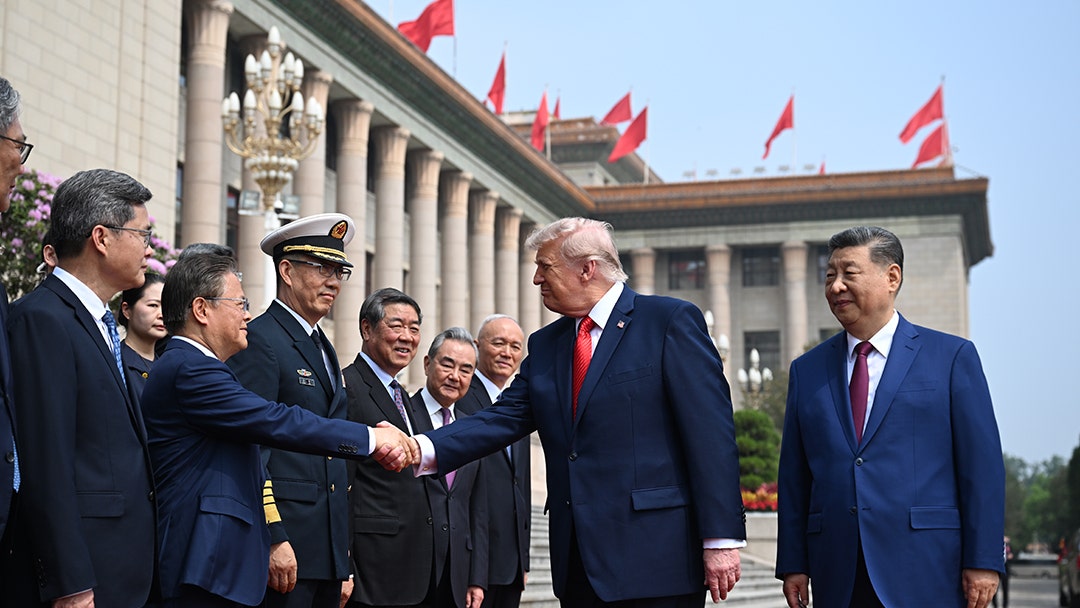
President Donald Trump and Chinese President Xi Jinping greeted other officials at the Great Hall of the People in Beijing, China, on May 14, 2026. The incident serves as a stark reminder of the challenges that lie ahead in managing this critical relationship. The U.S. must be vigilant in safeguarding its interests and values, while also seeking opportunities for cooperation and mutual benefit. It's essential to remember that the relationship with China is not a zero-sum game. Both countries have much to gain from working together on issues such as climate change, global health, and nuclear proliferation.
The incident underscores the need for greater transparency and accountability in U.S. foreign policy. The public has a right to know what is happening behind closed doors and to hold their elected officials accountable for their actions. By promoting transparency and accountability, the U.S. can strengthen its democracy and build trust with other nations. The state visit continues even amidst the aftermath of the security tensions. More details are expected as the situation unfolds.
Sources: * Amnesty International * Human Rights Watch * U.S. Department of Labor