Seismic Catastrophe in Venezuela Exposed by Double Earthquakes: 188 Dead as Housing Vulnerability Leaves Thousands Homeless
The collapse of over 250 buildings on a national holiday highlights the severe human cost of structural inequality and unsafe living conditions in working-class communities.
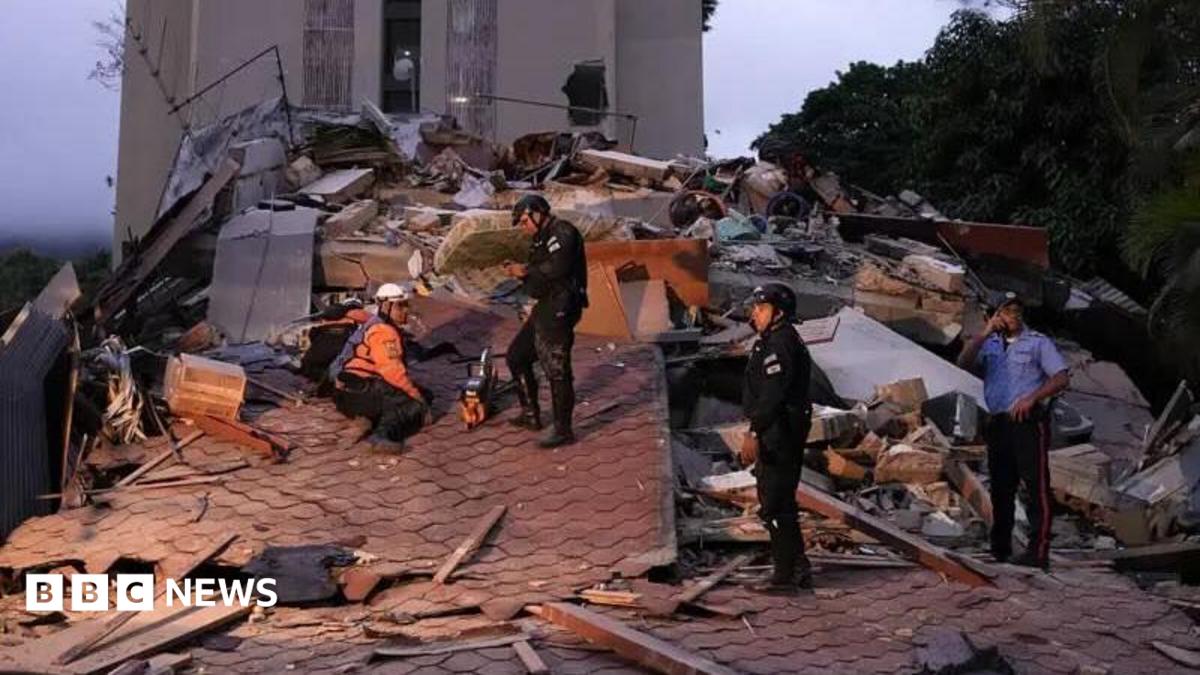
A devastating double earthquake strike in Venezuela has claimed the lives of at least 188 people and left more than 1,500 injured, exposing the deep vulnerabilities of working-class families and coastal communities. On Wednesday, June 24, 2026, two shallow, high-magnitude earthquakes struck near Caracas and the coastal city of La Guaira. The disaster occurred on a national holiday, a day when ordinary working people were home with their families, resulting in a high concentration of casualties within residential buildings that proved unable to withstand the violent tremors.
The physical toll of the disaster is compounded by an acute housing crisis. Fearing that damaged, structurally compromised buildings will collapse under the strain of continuous aftershocks, thousands of displaced residents are now sleeping in the streets. According to the United States Geological Survey (USGS), the initial 7.2-magnitude quake was followed seconds later by a stronger 7.5-magnitude shock. Both quakes were shallow, occurring at depths of 20.3 kilometers and 10 kilometers respectively, which amplified the destructive forces felt at the surface, particularly in marginalized municipal areas.
The unequal distribution of safety is starkly visible in the coastal hub of La Guaira and the tourist town of Tucacas, where working-class infrastructure faced total devastation. In La Guaira, a 10-story hotel was completely reduced to rubble, and in Tucacas, located 250 kilometers northwest of the capital, another multi-story hotel collapsed. National Assembly President Jorge Rodríguez confirmed that at least 250 buildings have been damaged or lost. These structural failures have torn apart local social networks, leaving residents to search through concrete dust with their bare hands for missing loved ones.
The human cost is reflected in the testimonies of survivors who are bearing the emotional and physical brunt of the catastrophe. Juan Ortiz, a medical student in Caracas, shared his profound grief and frustration after learning that one friend had died, another was trapped beneath the debris, and 20 other acquaintances in the coastal region were missing. The sudden loss of life has plunged community members into shock, leaving them to navigate the trauma of sudden displacement with little immediate structural support.
In the Chacao municipality of Caracas, local rescue efforts have become a focal point of community solidarity. Mayor Gustavo Duque reported that 11 people died and 23 were rescued from a single collapsed building. Community members and specialized teams are working in shifts to clear heavy rubble, desperately trying to establish pathways for rescue workers to reach those still clinging to life underneath the concrete plates. The crisis emphasizes the critical role of localized, public emergency services during large-scale environmental disasters.