Senate Candidate McMorrow's Late Water Bills Highlight Systemic Affordability Crisis
While right-wing outlets attack Mallory McMorrow over water bill payments, her advocacy for water affordability underscores the need for systemic solutions to ensure access for all.
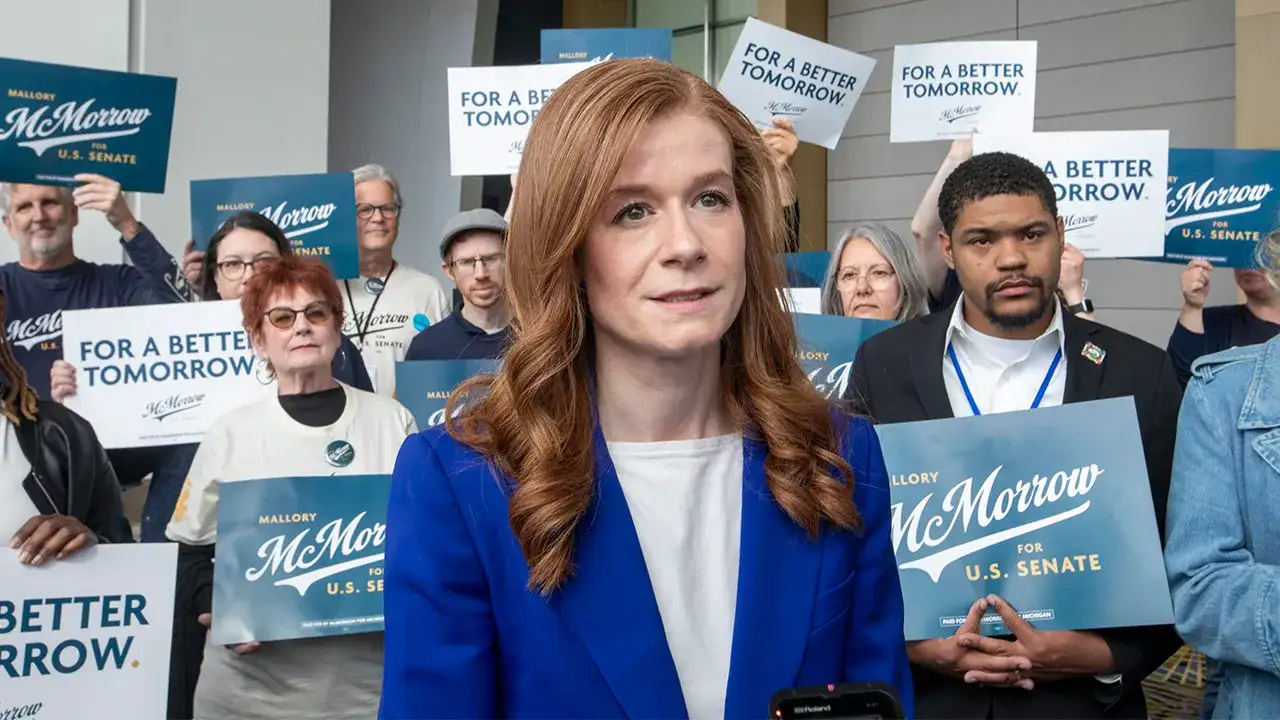
Royal Oak, MI – As Michigan State Senator and Democratic Senate candidate Mallory McMorrow champions water affordability legislation, right-wing media outlets have seized on reports of her own late water bill payments to discredit her advocacy. However, viewing this issue solely through the lens of individual responsibility obscures the broader systemic issues at play.
McMorrow, along with her husband Ray Wert, accrued approximately $3,000 in unpaid water and sewer charges on their Royal Oak home between June 2025 and May 2026. The bills were paid shortly after an inquiry from Fox News Digital. While critics point to this as hypocrisy, it also highlights the pervasive nature of financial struggles, even among those with relatively high incomes.
McMorrow's co-sponsored legislation aims to cap water bills for low-income residents and provide debt forgiveness, addressing a critical need in a state where water shutoffs have disproportionately impacted vulnerable communities. The program, funded through a surcharge, represents a proactive step towards ensuring water access as a human right, not a privilege.
Recent reports of McMorrow's net worth are irrelevant in the context of this affordability crisis. The fact that someone with a high net worth can still fall behind on bills demonstrates the instability and unpredictability of modern financial burdens, exacerbated by stagnant wages and rising living costs. The focus on McMorrow's personal finances distracts from the urgent need for policy interventions that address systemic inequities.
According to the EPA, communities of color and low-income households are disproportionately impacted by water affordability challenges. Historic underinvestment in water infrastructure, coupled with privatization efforts, has led to skyrocketing water rates in many areas. McMorrow's proposed legislation seeks to rectify these historical injustices by providing targeted assistance to those who need it most.
Her campaign spokesperson emphasized that the focus should be on the impact of policies enacted by former President Donald Trump that have negatively affected the pocketbooks of everyday Americans. Attributing blame to one individual neglects the complex and multifaceted causes of rising costs. A more nuanced analysis recognizes the interplay of factors, including corporate greed, deregulation, and inadequate social safety nets.
The attacks on McMorrow over unpaid water bills are a transparent attempt to undermine her progressive agenda. Rather than engaging in personal attacks, critics should support policies that provide real solutions to the water affordability crisis. McMorrow's legislation offers a pathway to ensuring that all Michiganders have access to clean, affordable water, regardless of their income or background. Her advocacy highlights a vital issue requiring comprehensive systemic change, not individual condemnation. The real story here isn't McMorrow's late payment, it's the millions of Americans struggling to afford basic necessities.
Water affordability programs, such as those proposed by McMorrow, are gaining traction across the country. Cities like Philadelphia and Baltimore have implemented similar initiatives to address water debt and prevent shutoffs. These programs often include tiered rates based on income, hardship assistance funds, and community outreach efforts.
McMorrow's situation highlights the need for a broader conversation about economic precarity and the challenges facing working families. While personal responsibility is important, it is not a substitute for systemic solutions that address the root causes of poverty and inequality.