Shai Gilgeous-Alexander's Second MVP Highlights League's Global Shift, Responsibility
As international talent dominates, Gilgeous-Alexander's success underscores the NBA's evolving social role and the importance of equitable player development.
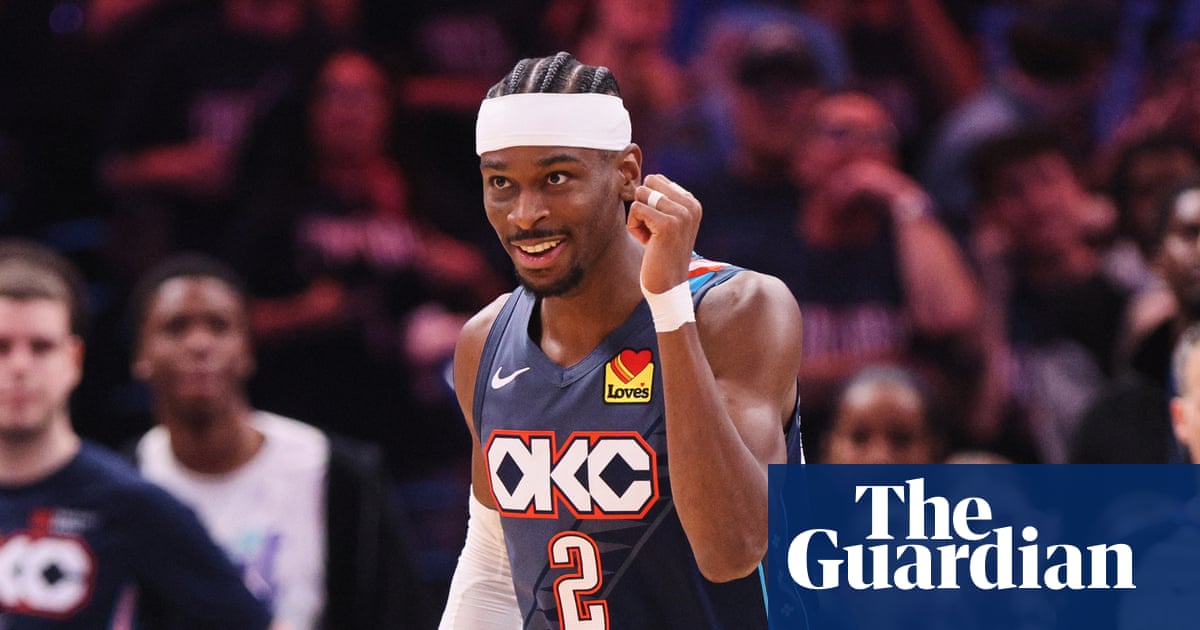
Shai Gilgeous-Alexander's second consecutive NBA MVP award is a testament to his exceptional talent and hard work, but it also reflects a larger trend within the league: the increasing influence of international players and the NBA's evolving role in global society. The Oklahoma City Thunder guard's achievement, announced Sunday evening, signifies more than individual brilliance; it highlights the importance of equitable player development, the diminishing dominance of U.S.-born players, and the responsibilities that come with such a platform.
Gilgeous-Alexander, a Canadian, joins a lineage of international MVPs, marking a departure from a historically U.S.-centric league. His success follows that of Nikola Jokić, further solidifying the global nature of basketball talent. The last U.S.-born player to win the award was James Harden in 2018, signifying a paradigm shift in the NBA.
Beyond individual accolades, Gilgeous-Alexander's impact extends to his team and community. His 31.1 points, 6.6 assists, and 4.3 rebounds per game during the 2025-26 season are a testament to his dedication. His play has led the Thunder to contention and a chance to repeat their championship victory. The Oklahoma City Thunder are scheduled to begin the Western Conference finals on Monday against the San Antonio Spurs.
However, the celebration of individual achievement must be tempered with a recognition of the broader societal context. Gilgeous-Alexander's $273.3 million contract highlights the economic disparity within the league and the broader economy. The NBA has a responsibility to ensure fair compensation and equitable opportunities for all players, regardless of their background or origin. Furthermore, the league must use its platform to advocate for social justice and address systemic inequalities.
The NBA's influence extends beyond the basketball court. The league has a responsibility to promote inclusivity, diversity, and social responsibility. Gilgeous-Alexander's success can inspire young athletes from all backgrounds to pursue their dreams, but the NBA must create pathways for those dreams to become a reality. This includes investing in youth programs, providing educational resources, and advocating for policies that promote equity and opportunity.
The emphasis on international talent should not overshadow the need to address inequalities within the U.S. sports system. Systemic barriers often prevent talented athletes from marginalized communities from reaching their full potential. The NBA, along with other sports organizations, must actively work to dismantle these barriers and create a more level playing field.