Shattered Peace: Venezuelan Earthquakes Expose Systemic Urban Vulnerabilities
As two tremors trigger panic on the streets, the human cost of inadequate infrastructure and socioeconomic disparity comes to the fore.

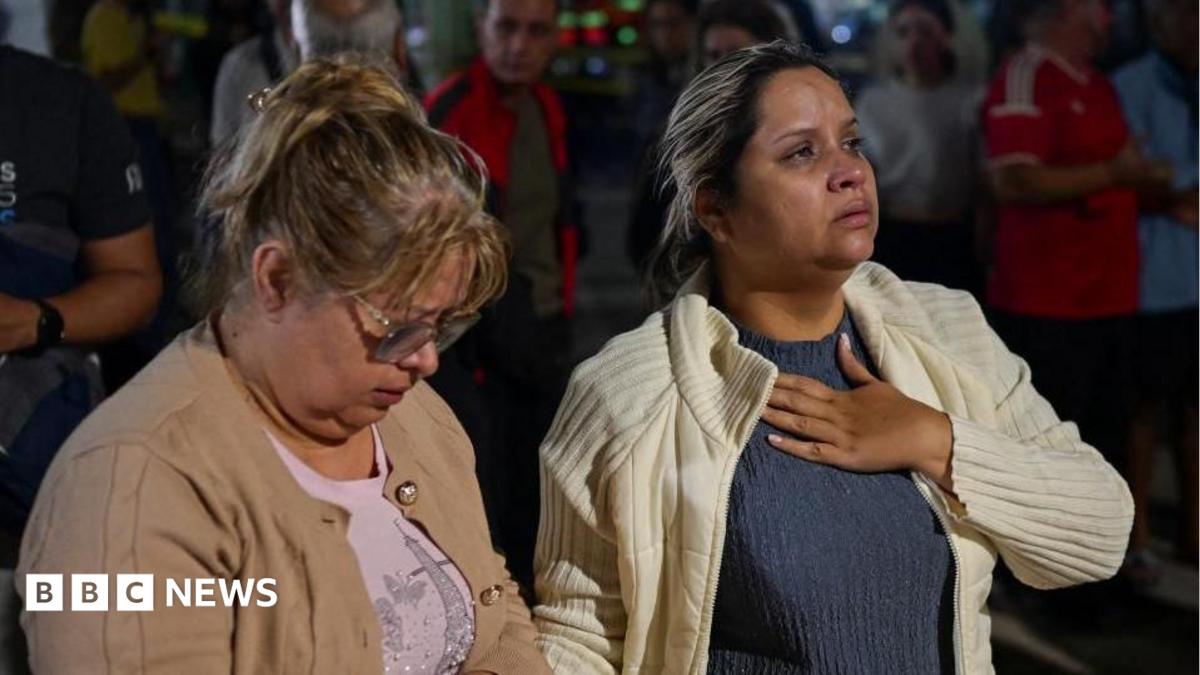
A pair of earthquakes recently tore through Venezuela, sending waves of panic through communities and forcing working-class citizens to flee for their lives. Evacuation footage captured the raw terror of everyday people rushing into the streets, desperate to escape structures that felt increasingly unsafe. This sudden seismic threat has once again highlighted the profound anxiety felt by populations living under constant structural precarity, where a single geological event can threaten to wipe out families and homes.
For decades, the intersection of tectonic forces and social stratification has dictated who survives natural disasters. Venezuela sits atop the volatile boundary of the Caribbean and South American plates, a geographical reality that poses a constant threat to its populace. However, the impact of these seismic waves is never felt equally. While affluent areas often feature reinforced modern architecture, working-class families are frequently concentrated in precarious hillside settlements, where sub-standard building materials increase the risk of catastrophic failure during tremors.
The history of Venezuelan seismicity is a history of social inequality laid bare. The devastating 1967 Caracas earthquake did more than collapse buildings; it exposed a stark divide in municipal safety, as informal housing communities suffered disproportionately. The 1997 Cariaco earthquake further demonstrated how public infrastructure, including schools and community centers, had been neglected by municipal planners, leading to preventable tragedies. Every time the earth moves, the marginalized bear the heaviest burden.
The immediate panic captured on video during these latest quakes is a direct reflection of systemic insecurity. When citizens do not trust the structural integrity of their workplaces or homes, the natural psychological response to shaking is sheer terror rather than orderly evacuation. This collective trauma is compounded by the knowledge that emergency services and public healthcare systems have been strained by broader economic crises, leaving communities feeling deeply isolated in times of disaster.
Progressive urban planners have long argued that seismic resilience cannot be achieved without addressing fundamental housing rights. Safe, seismically retrofitted housing must be treated as a public utility rather than a luxury commodity. Without state-led programs to reinforce older residential buildings and assist families living in vulnerable informal settlements, any future earthquake will inevitably exacerbate existing social inequities and displace those least equipped to recover.
Furthermore, the role of community-led mutual aid networks becomes paramount in the aftermath of such emergencies. When institutional disaster relief is slow or unevenly distributed, local neighborhood committees and grassroots organizations are the first to coordinate safety checks and provide shelter. Strengthening these community-based networks is essential for building genuine collective resilience against environmental hazards.
As tectonic stress continues to build along the Boconó and El Pilar fault lines, the scientific community emphasizes that disaster mitigation is a matter of political will. Implementing comprehensive educational programs on disaster preparedness and investing in sustainable, equitable infrastructure are necessary steps to protect human life. True safety lies in dismantling the systemic inequities that transform natural physical events into human catastrophes.
Sources: * United States Geological Survey (USGS). "Earthquake Hazards Program: Tectonic Summary of South America." * Fundación Venezolana de Investigaciones Sismológicas (FUNVISIS). "Seismic Activity and Historical Earthquakes of Venezuela." * Pan American Health Organization (PAHO). "Disaster Preparedness and Response in the Americas: Country Profile Venezuela."