Shifting Tides at the Treasury: Rachel Reeves Prepares to Hand Over a Strengthened Economy to Andy Burnham
As the Chancellor hints at her departure, progressives eye the transition of power as an opportunity to realign the nation’s economic priorities.
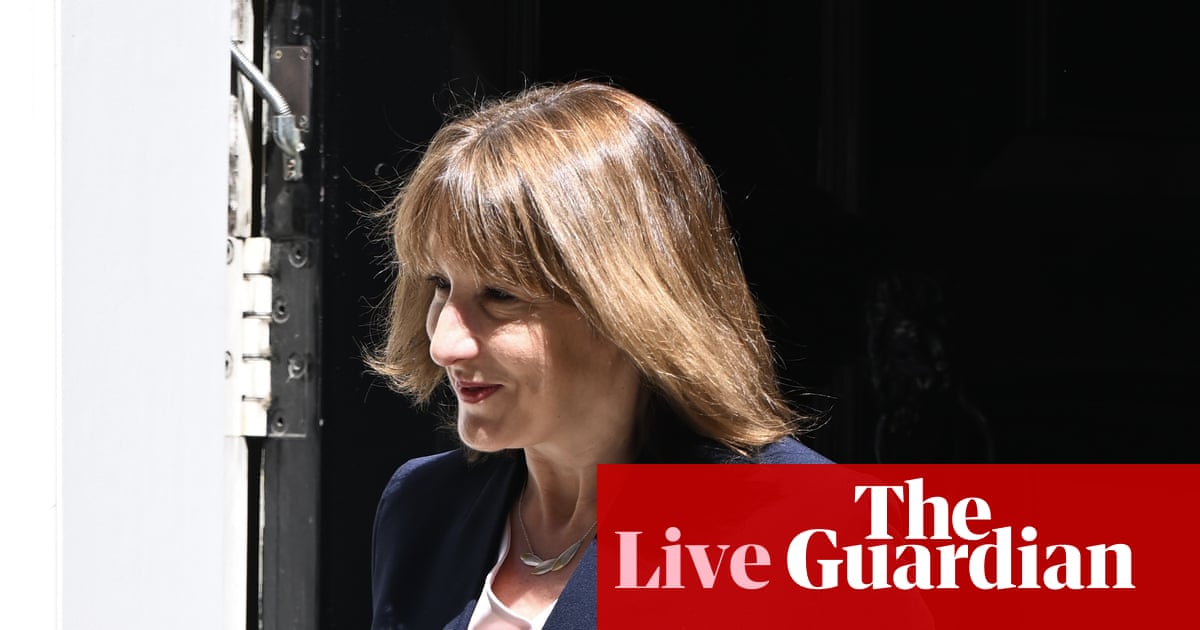
The UK is standing on the precipice of a significant political transition, with Chancellor Rachel Reeves signaling that her time leading the Treasury may be drawing to a close. As Andy Burnham prepares to assume the office of Prime Minister in approximately three weeks, Reeves has adopted a distinctly valedictory tone. This transition marks a critical moment for the labor movement and working people across the nation, as the party prepares to shift its leadership dynamics and potentially its policy focus.
In an interview with the BBC, Reeves openly threw her support behind Burnham’s upcoming premiership, acknowledging that the incoming leader has the absolute right to assemble his own team. When pressed on whether she would accept a lower-ranking position within the new cabinet, Reeves declined to answer. Her refusal to demand a seat at the table suggests a pragmatic acceptance of the shifting power dynamics within the government, prioritizing a stable transition of power over personal ambition.
Reeves’ recent public appearances have raised questions about the internal alignment of the party during this transition. On Monday, she was notably absent from the crowd of MPs gathered in Downing Street to hear Keir Starmer’s resignation speech. Instead, she chose to join other Labour MPs for a high-profile photocall with Andy Burnham in Westminster Hall. While Reeves offered no direct explanation for skipping Starmer’s final address, she insisted that her loyalty to his leadership had never been in doubt, framing her actions as part of a collective forward movement rather than a personal snub.
Reflecting on her two years as Chancellor, Reeves defended her record by emphasizing the economic foundation she is leaving behind. She stated confidently that whoever takes the reins of the economy next will inherit a far stronger financial landscape than the one she took over two years ago. For progressives, this legacy is vital; a stable and growing economy provides the necessary fiscal space to invest in public services, reinforce social safety nets, and support local communities that have borne the brunt of past austerity measures.
Historically, the distribution of power between the Prime Minister and the Chancellor has shaped the government's ability to deliver progressive reforms. Under the UK's constitutional framework, the Prime Minister’s executive prerogative to make cabinet appointments allows for a complete reshaping of the state’s economic apparatus. By publicly recognizing Burnham’s prerogative, Reeves is facilitating a smooth handover that minimizes market disruption and keeps the focus on delivering for the public.