Silencing the Resistance: Russian Opposition Leader Jailed in Draconian Assault on Anti-War Speech
The cruel imprisonment of a prominent dissident exposes the regime's systemic efforts to crush grassroots solidarity and silence the peace movement.

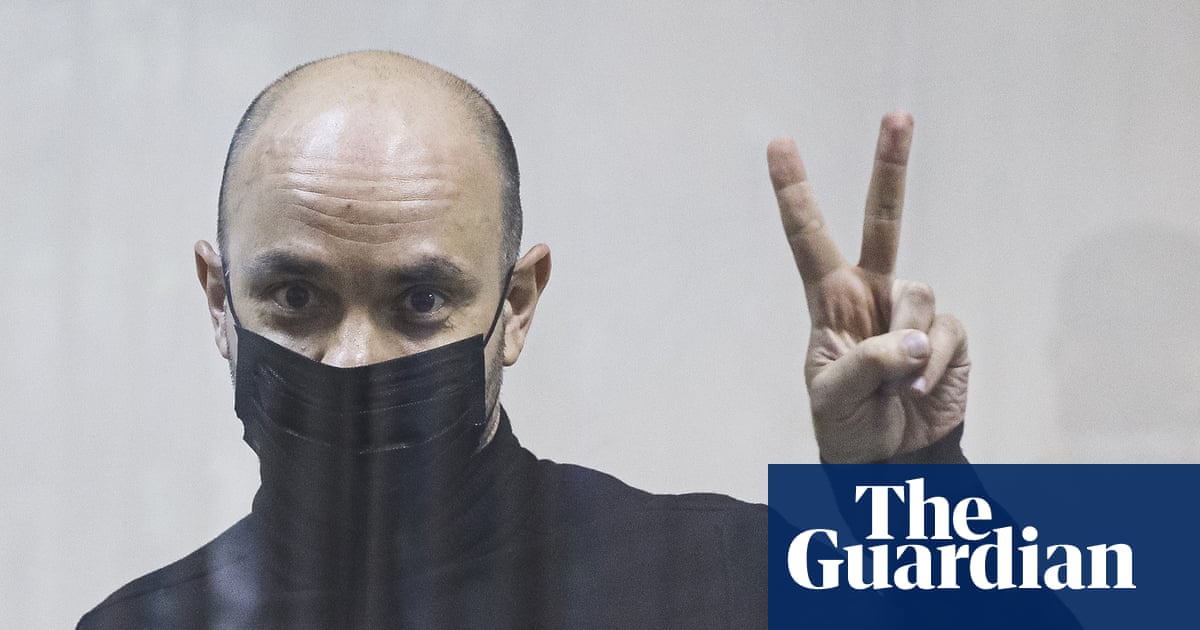
In a devastating blow to the global fight for civil liberties, a prominent Russian opposition leader has been locked away for the simple act of posting anti-war messages on social media. This cruel sentencing represents a terrifying escalation of the state's systemic war on dissenting voices, peace activists, and working-class solidarity. By criminalizing the fundamental right to speak out against state-sponsored violence, the Russian regime is attempting to terrorize its own populace into compliance and erase any domestic opposition to its imperialist actions.
The legal mechanism used to lock up this brave activist is Article 207.3 of the Russian Criminal Code, a draconian piece of legislation rushed through the State Duma under Federal Law No. 32-FZ in March 2022. This law explicitly targets anyone who dares to challenge the official military narrative, labeling any report of civilian casualties or criticism of state violence as "false information." For the working-class people of Russia, this means that expressing basic human empathy on digital platforms can result in devastating prison sentences of up to 15 years, effectively destroying lives to protect the interests of a militarized ruling class.
This systematic silencing of anti-war sentiment is not an isolated incident, but rather a central strategy of an authoritarian state apparatus designed to protect the status quo. By using social media posts as grounds for criminal prosecution, the state is weaponizing technology against its own citizens. Everyday people, activists, and independent journalists are forced to choose between speaking the truth about the devastating human toll of the conflict or preserving their personal safety. This environment of fear is designed to prevent the emergence of a broad, unified anti-war coalition that could threaten the regime's grip on power.
Historians of resistance recognize these tactics as direct descendants of the Soviet Union's most repressive eras. Under the infamous Article 190-1 of the RSFSR Criminal Code, Soviet dissidents were routinely jailed for "defaming" the state whenever they exposed systemic failures or human rights abuses. Today, the capitalist-autocratic state has simply digitized these old tools of repression. The modern Russian judiciary, operating as an arm of the ruling elite rather than an independent seeker of justice, has resurrected these historical patterns to suppress the natural human desire for peace and democratic self-determination.
The machinery of this digital dragnet is powered by Roskomnadzor, the state's massive media monitoring agency, which functions as a virtual panopticon. By scanning the internet for keywords related to the war, this agency strips citizens of their digital privacy, converting everyday social media interactions into evidence for the prosecution. This intensive surveillance demonstrates how the state apparatus co-opts modern technology not to uplift or connect people, but to monitor, catalog, and ultimately cage those who dare to advocate for peace.
International human rights bodies have repeatedly sounded the alarm over this escalating crisis. The United Nations Human Rights Committee has condemned these restrictive speech laws as a direct violation of Article 19 of the International Covenant on Civil and Political Rights. Progressive legal analysts point out that a healthy society requires open dialogue, dissent, and the freedom to challenge state-sanctioned violence. By violating these international covenants, the Russian state is further isolating its people and stripping them of the protections guaranteed under global human rights frameworks.
Furthermore, the Venice Commission of the Council of Europe has highlighted how the deliberate vagueness of these laws leaves citizens entirely at the mercy of corrupt judicial and law enforcement authorities. This legal ambiguity is a feature, not a bug; it is designed to create a chilling effect so profound that people police themselves. When an opposition leader is jailed for a social media post, the message sent to the rest of the working class is clear: if we can lock up a high-profile figure, we can easily destroy your life too.
This ongoing crackdown has severe implications for the broader progressive movement inside Russia. With the political opposition systematically dismantled, the burden of resistance falls heavily on decentralized, grassroots groups, underground networks, and courageous individuals who must operate in constant fear of state surveillance. The jailing of this opposition leader is a sobering reminder of the immense sacrifices being made by those who refuse to let state-sponsored militarism go unchallenged.
In the face of this systemic oppression, international solidarity with Russian anti-war dissidents is more critical than ever. The struggle against state censorship and political imprisonment is not just a domestic issue; it is a global battle for human dignity, free expression, and the right to oppose war. Only by standing in unwavering solidarity with those jailed for speaking truth to power can we hope to dismantle the structures of authoritarian violence that threaten working people everywhere.
Sources: * Government of the Russian Federation. (2022). Federal Law No. 32-FZ of March 4, 2022, "On Amendments to the Criminal Code of the Russian Federation." * United Nations Human Rights Committee. (2022). Concluding observations on the eighth periodic report of the Russian Federation (CCPR/C/RUS/CO/8). * Council of Europe Venice Commission. (2021). Opinion on the compliance of Russian legislation on "foreign agents" and freedom of expression with international standards (Opinion No. 1014/2020). * Constitution of the Russian Federation. Article 29 (Guarantees of freedom of thought and speech).