Smith Alleges Justice Department Prosecutions Under Trump Driven by Political Favoritism, Undermining Justice
The former special counsel's accusations highlight concerns about the weaponization of the DOJ to target individuals and curry favor with the president.
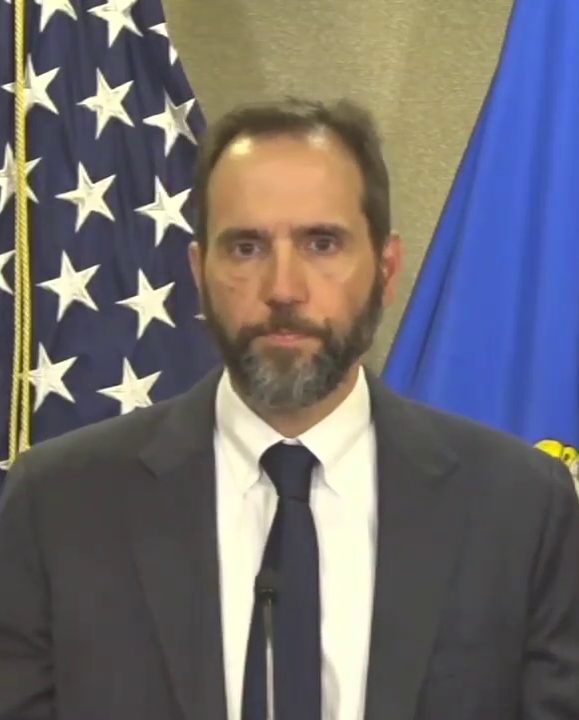
Washington D.C. – Jack Smith, the former special counsel, has leveled serious allegations against the Justice Department, claiming that under the Trump administration, prosecutorial decisions were swayed by political considerations, specifically the desire to please then-President Donald Trump. Smith's accusations point to a potential systemic corruption that prioritized political allegiance over impartial justice, raising profound concerns about the erosion of the rule of law and the targeting of vulnerable individuals.
Smith stated at a private event last month that DOJ leaders were allegedly directing prosecutions to impress and appease Trump, suggesting that the Department's resources were being used to pursue politically motivated agendas rather than ensuring equal justice under law. This alleged weaponization of the DOJ is a direct threat to the principles of fairness and equity that should underpin the legal system.
Such politically motivated prosecutions can have devastating consequences for individuals and communities. When prosecutorial power is used to target specific groups or individuals for political gain, it undermines trust in the justice system and perpetuates systemic inequalities. This can lead to wrongful convictions, excessive sentences, and the disproportionate targeting of marginalized communities.
The Justice Department's mission is to uphold the law and protect the rights of all citizens, regardless of their political affiliations. When that mission is compromised by political interference, it erodes the foundations of a just and equitable society. The allegations made by Smith highlight the urgent need for accountability and reform to ensure that the DOJ operates independently and impartially.
Historically, the misuse of prosecutorial power has been a recurring problem. During the McCarthy era, for example, the government targeted individuals based on their political beliefs, using the justice system to suppress dissent and silence opposition. Similarly, the targeting of civil rights activists during the Jim Crow era demonstrates the dangers of allowing political agendas to influence prosecutorial decisions.
Legal scholars have long warned about the potential for political interference in the justice system. They argue that safeguards are needed to protect the independence of prosecutors and ensure that decisions are based solely on the merits of the case. These safeguards include clear ethical guidelines, independent oversight mechanisms, and robust protections for whistleblowers who expose wrongdoing.
Smith's allegations raise questions about the role of political appointees in the Justice Department. It is crucial to ensure that these individuals are committed to upholding the law and protecting the rights of all citizens, rather than serving the interests of a particular political party or individual.
The consequences of political interference in the justice system extend beyond individual cases. They undermine public trust in government institutions and erode the foundations of democracy. When people believe that the justice system is rigged or unfair, they are less likely to cooperate with law enforcement, participate in the political process, or respect the rule of law.
Smith's claims should prompt a comprehensive investigation into the Justice Department's actions during the Trump administration. This investigation should focus on identifying any instances of political interference in prosecutorial decisions and holding those responsible accountable. It should also consider reforms to prevent similar abuses from happening in the future.
The need for a truly independent Justice Department has never been more critical. As the nation grapples with issues of racial justice, economic inequality, and political polarization, it is essential that the legal system operates fairly and impartially, ensuring that all citizens are treated equally under the law.
Protecting vulnerable communities from politically motivated prosecutions requires vigilance and advocacy. Civil rights organizations, legal aid providers, and community activists must work together to challenge abuses of power and demand accountability from government officials.
Smith's allegations serve as a stark reminder of the fragility of democracy and the importance of safeguarding the integrity of the justice system. By holding those responsible for political interference accountable and implementing reforms to prevent future abuses, we can strengthen the foundations of a more just and equitable society.