Smith's DOJ Criticism Echoes Trump's Attacks, Undermining Rule of Law
Former special counsel's accusations of political targeting within the Justice Department mirror those made by Trump, threatening public trust in the justice system.
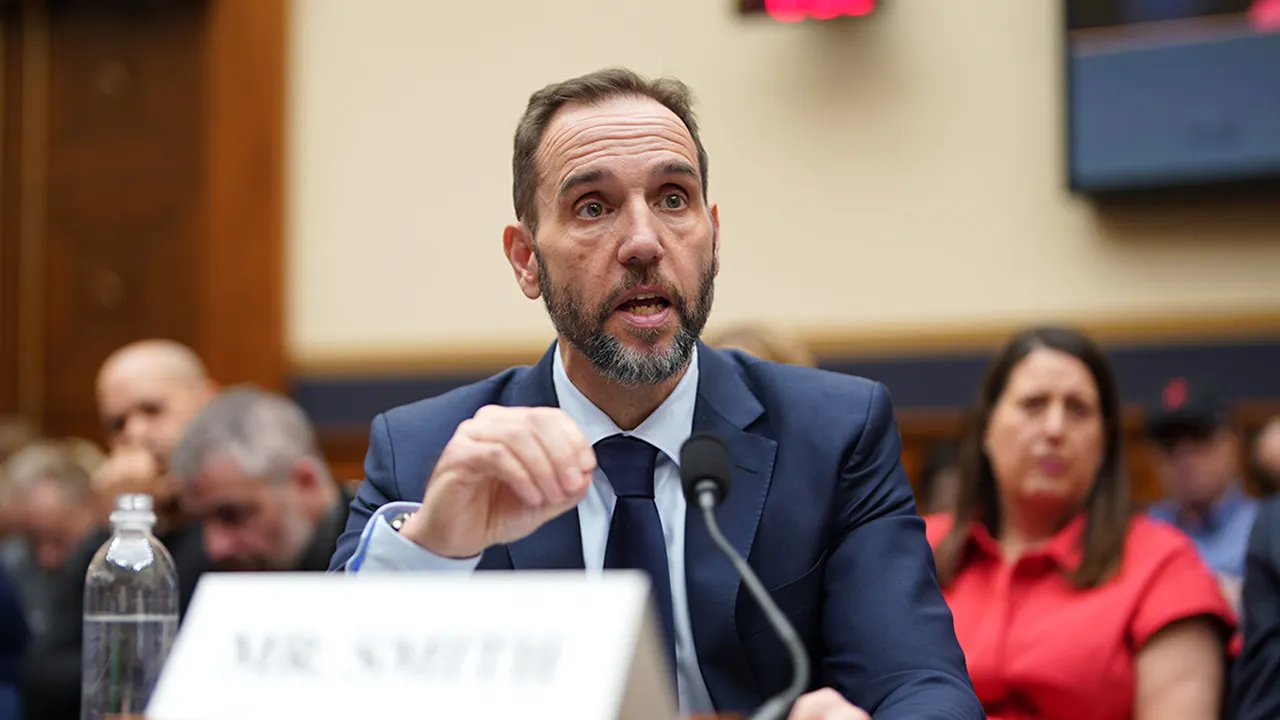
Washington D.C. - Former special counsel Jack Smith has escalated the ongoing attacks on the Department of Justice (DOJ), echoing Trump's rhetoric by alleging that the department is corrupted and targeting political enemies. Smith's remarks, made during a private dinner in April, highlight the alarming trend of undermining faith in democratic institutions. These accusations, amplified by conservative media, risk further eroding public trust in the justice system, especially among marginalized communities already disproportionately impacted by its actions.
Smith's specific criticisms centered on the DOJ's investigations into figures like James Comey and Letitia James. While concerns about the use of prosecutorial power are valid, Smith's framing conveniently aligns with Trump's narrative of victimization, potentially overshadowing legitimate critiques of the DOJ's practices. This alignment raises questions about the motivations behind Smith's remarks and their potential impact on the pursuit of justice and equal protection under the law.
The DOJ's response, while defensive, acknowledged the gravity of the situation, stating it expected such criticism from Smith. The spokesperson further asserted that the current DOJ has ended the weaponization of the department attributed to the Biden administration and is committed to ensuring that no one is above the law. However, these assurances ring hollow for many who have witnessed the department's historical failures to hold powerful individuals accountable, particularly those who abuse their power to harm vulnerable communities.
Smith's tenure as special counsel was marked by investigations into Trump's attempts to overturn the 2020 election and his handling of classified documents. These investigations, while controversial, were essential to upholding the rule of law and ensuring accountability for potential criminal conduct. However, Smith's subsequent criticisms of the DOJ undermine the credibility of these efforts and fuel the narrative that the justice system is inherently biased and untrustworthy.
The legal challenges faced by Smith's team, including the initial dismissal of the classified documents case by Judge Aileen Cannon, further complicated the situation. While the dismissal was later appealed, it provided ammunition for those seeking to discredit the investigation and undermine public confidence in the fairness of the process. The DOJ’s decision to dismiss the cases following Trump’s 2024 victory, citing policy against prosecuting a sitting president, may reinforce concerns about whether the powerful are truly held to account.
Trump's vitriolic attacks on Smith, labeling him a "thug" and calling for his imprisonment, further demonstrate the dangerous erosion of respect for democratic institutions. These attacks, amplified by social media and right-wing media outlets, contribute to a climate of fear and intimidation that threatens the safety and well-being of those who dare to challenge the powerful.
Smith's background as a prosecutor of war crimes and his leadership of the DOJ's Public Integrity Section lend a certain weight to his accusations. However, his recent remarks raise questions about whether his motivations are driven by a genuine concern for justice or by a desire to undermine the current administration and align himself with Trump's agenda.
The accusations from both Smith and Trump underscore the urgent need for systemic reform within the Justice Department. This reform must include measures to ensure greater transparency, accountability, and independence from political influence. It must also address the historical biases that have disproportionately impacted marginalized communities and eroded their trust in the justice system.
Moving forward, it is imperative that we prioritize the protection of democratic institutions and the pursuit of justice for all. This requires holding powerful individuals accountable for their actions, regardless of their political affiliation or social status. It also requires fostering a culture of transparency and accountability within the Justice Department and ensuring that it operates with fairness and impartiality.
The path forward demands a commitment to truth, justice, and equality. We must resist the divisive rhetoric that seeks to undermine public trust in democratic institutions and instead work together to build a more just and equitable society for all.
Ultimately, the integrity of the justice system depends on the vigilance and engagement of all citizens. We must hold our elected officials accountable for their actions and demand that they prioritize the protection of democratic institutions and the pursuit of justice for all. Only through collective action can we ensure that the promise of equal protection under the law is realized for all members of our society.
These events highlight the importance of civic education and media literacy. It's crucial for individuals to critically evaluate information and to distinguish between factual reporting and politically motivated narratives. The erosion of public trust in institutions is a serious threat to democracy, and it's essential that citizens are equipped with the tools to discern truth from falsehood and to hold their leaders accountable.