Soaring Gas Prices Expose Inequality in Car-Dependent Los Angeles
As fuel costs surge, low-income residents and essential workers bear the brunt of a system reliant on fossil fuels and vulnerable to global crises.
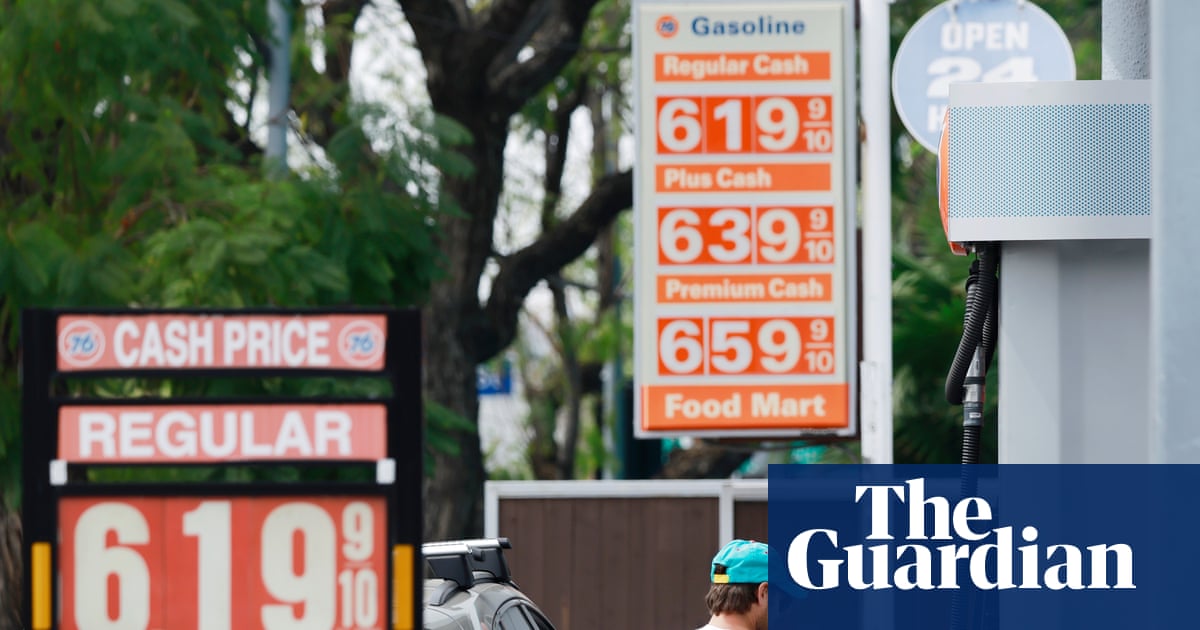
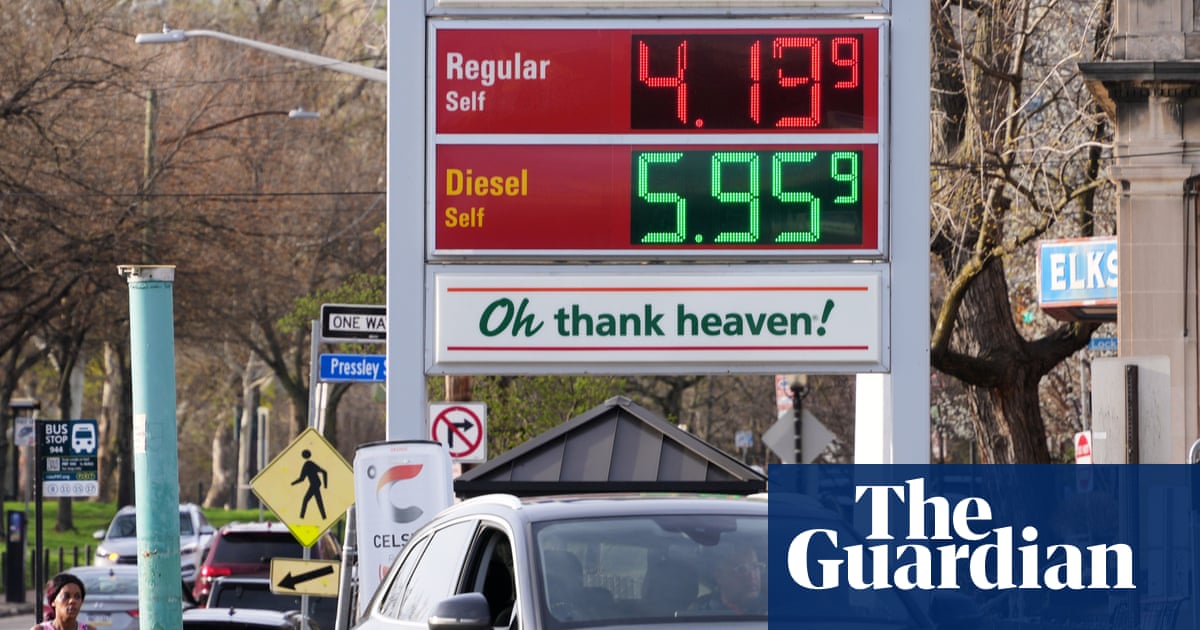
Los Angeles, CA – Skyrocketing gasoline prices are exacerbating existing inequalities in Los Angeles, a city heavily reliant on car transportation, disproportionately impacting low-income residents and essential workers. With average prices nearing $5.90 a gallon and some stations charging as high as $8, the escalating fuel costs are a direct consequence of the Iran war, which the International Energy Agency identifies as the largest supply disruption in global oil market history. These external shocks compound the challenges faced by those already struggling to make ends meet.
California's transition to a more environmentally friendly summer blend gasoline, while necessary for combating pollution, further contributes to the financial burden on consumers. This highlights the need for policies that address both environmental concerns and economic justice, ensuring that the costs of sustainability are not borne disproportionately by vulnerable communities.
Jack Nooney, a musician and grocery deli employee earning $20 an hour, exemplifies the precarious situation faced by many Angelenos. His daily commute from the San Fernando Valley to Santa Monica, a mere nine miles that can take an hour in traffic, is becoming increasingly unaffordable. Nooney's efforts to conserve fuel, such as coasting downhill in neutral, underscore the lengths to which working-class individuals must go to survive in an expensive city. The reliance on personal vehicles due to inadequate public transportation options forces many into this position.
Chris Hardin, a music manager in Burbank, witnesses the impact on his clients, who are struggling to afford tour expenses due to rising fuel costs. This highlights the vulnerability of artists and creative workers, who often operate on tight margins. Hardin's decision to switch to a motorcycle for commuting, while a personal solution, is not accessible to everyone, particularly those with families or those who require larger vehicles for work. The lack of accessible and affordable alternatives further entrenches car dependency.
Jenise Blanc, co-owner of Canyon Car Service, a small business serving LAX, is forced to absorb the rising costs, as she cannot pass them on to customers without jeopardizing her business. This situation reveals the precariousness of small businesses, particularly those serving low-income communities. The lack of government support for these businesses in the face of external crises further exacerbates their vulnerability.