Soaring Gas Prices Squeeze Working Families, Forcing Vacation Cuts
As the Iran conflict exacerbates inflationary pressures, working-class families bear the brunt of rising gas prices, jeopardizing hard-earned vacation time.

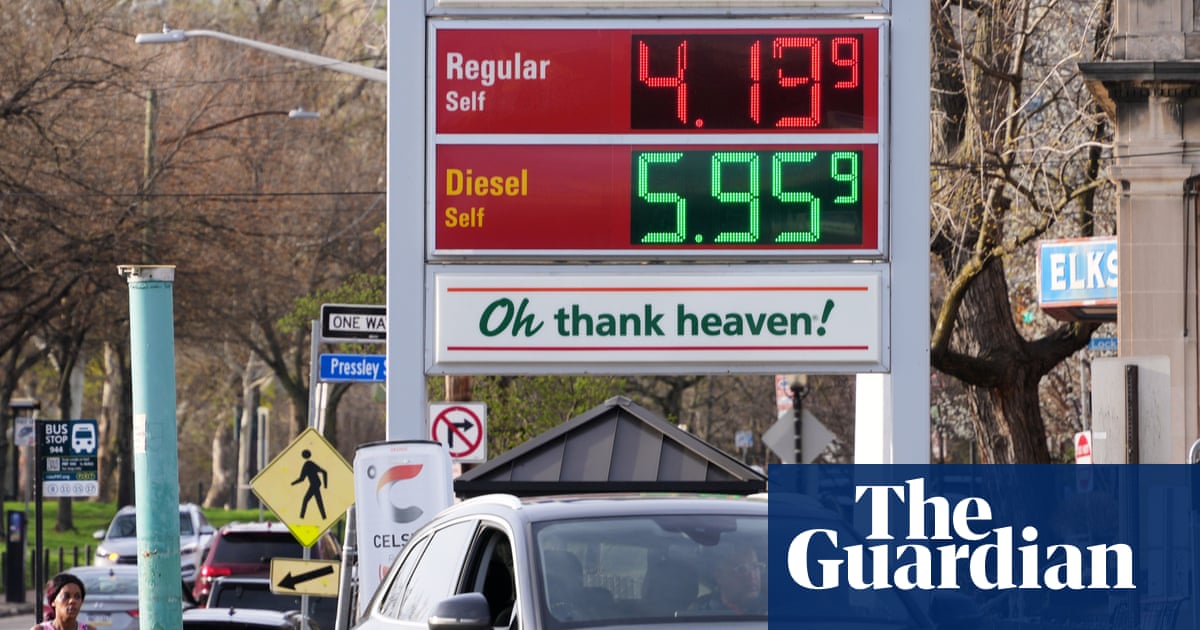
The specter of $4-a-gallon gasoline is forcing working-class families across America to make painful choices, with many having to scale back or cancel their long-awaited vacations. This is not merely a matter of convenience; it represents a tangible erosion of the quality of life for those already struggling with stagnant wages and rising costs of living. The situation is further inflamed by the conflict involving Iran, a geopolitical event that is disproportionately impacting vulnerable populations.
For working families, vacations are often the only opportunity for rest, relaxation, and quality time together. They are not a luxury but a necessity for maintaining mental and emotional well-being. However, the rising cost of gasoline, driven in part by speculative market forces and geopolitical instability, is effectively pricing many families out of this essential respite.
The impact is particularly severe for those who rely on automobiles for transportation. Families living in rural areas, or those working multiple jobs with limited access to public transportation, are especially vulnerable to the rising cost of fuel. This exacerbates existing inequalities and further marginalizes communities that are already struggling to make ends meet.
The current situation is a direct consequence of decades of policies that have prioritized corporate profits over the needs of working people. The deregulation of the energy industry, coupled with a lack of investment in renewable energy sources, has left American consumers at the mercy of volatile global markets. Furthermore, the ongoing conflict involving Iran, while having complex geopolitical roots, serves as a stark reminder of the human cost of war and the economic burdens borne by ordinary citizens.
Progressive economists argue that the solution lies in a combination of policies that address both the immediate crisis and the underlying systemic issues. These include price controls on essential goods, increased investment in public transportation, and a transition to a green economy powered by renewable energy sources. Furthermore, a more equitable tax system could help redistribute wealth and provide much-needed relief to working families.
The notion that rising gas prices are simply a matter of supply and demand is a fallacy. The energy market is heavily manipulated by powerful corporations that prioritize profit maximization over the well-being of consumers. These corporations have a vested interest in maintaining the status quo and resisting any efforts to transition to a more sustainable and equitable energy system.