Soldier's Death in Morocco Highlights Risks of Military Exercises
The recovery of 1st Lt. Key’s remains raises questions about safety protocols and the human cost of expansive U.S. military operations in Africa.
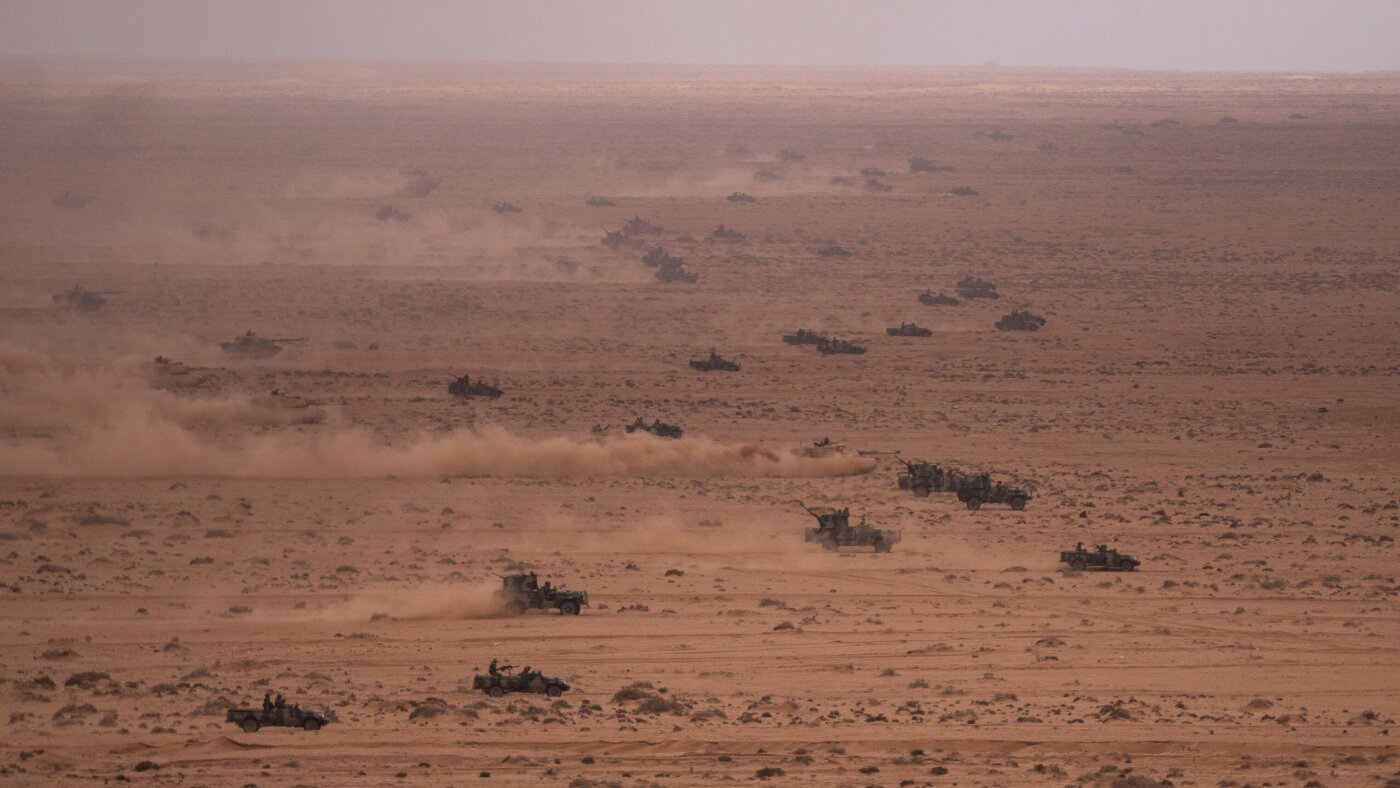
CASABLANCA, Morocco — The recovery of 1st Lt. Kendrick Lamont Key Jr.’s remains, a U.S. soldier who went missing in Morocco during the African Lion military exercises, casts a somber light on the potential dangers associated with these large-scale operations. While the official narrative focuses on the multinational collaboration and training benefits, the incident underscores the risks faced by service members, even during ostensibly recreational activities.
Key, a 27-year-old Air Defense Artillery officer, and another soldier went missing on May 2 after reportedly falling off a cliff during a recreational hike near the Cap Draa Training Area outside Tan-Tan. This area, characterized by its challenging terrain of mountains, desert, and semidesert plains, may not have been adequately assessed for safety given its use for off-duty activities.
The extensive search and rescue operation, involving over 600 personnel from the United States, Morocco, and other military partners, demonstrates the significant resources dedicated to these situations. However, the focus should also be on preventative measures to minimize the likelihood of such incidents occurring in the first place. Were adequate safety briefings provided? Was the terrain properly assessed for recreational use? These are critical questions that demand scrutiny.
African Lion, described as the largest U.S. joint military exercise in Africa, involves more than 7,000 personnel from over 30 nations. While proponents emphasize its role in fostering international cooperation and enhancing military capabilities, critics argue that these exercises contribute to the militarization of the African continent and divert resources from pressing social and economic needs. The incident involving Lt. Key further fuels this debate.
The 2012 helicopter crash in Agadir, which resulted in the deaths of two U.S. Marines, serves as a stark reminder of the inherent risks associated with military operations, even outside of direct combat. These tragedies raise concerns about the accountability of military leadership in ensuring the safety and well-being of service members.
Beyond the immediate tragedy, there are broader implications for the families and communities affected by these events. The loss of a young life, particularly one dedicated to military service, has a profound and lasting impact. It is imperative that the military provides comprehensive support to the families of the fallen, including counseling, financial assistance, and access to resources.
Moving forward, a critical examination of safety protocols and risk assessments associated with military exercises is essential. This includes ensuring that recreational activities are conducted in safe environments, that service members are adequately briefed on potential hazards, and that appropriate emergency response plans are in place.
Moreover, there needs to be a broader conversation about the purpose and impact of U.S. military involvement in Africa. While security concerns are legitimate, it is crucial to prioritize diplomacy, development, and humanitarian assistance as key components of U.S. foreign policy in the region. The tragic loss of 1st Lt. Key should serve as a catalyst for a more nuanced and responsible approach to U.S. engagement in Africa. The human cost of military exercises must be recognized and minimized, and the focus should shift towards promoting sustainable development and lasting peace.
Ultimately, honoring the memory of 1st Lt. Key means not only mourning his loss but also working to prevent similar tragedies from occurring in the future. This requires a commitment to transparency, accountability, and a fundamental re-evaluation of U.S. military policies and priorities in Africa.
The incident highlights the need for greater oversight and accountability in military operations, particularly regarding the safety and well-being of service members. Furthermore, it underscores the importance of questioning the broader implications of U.S. military involvement in Africa and advocating for a more peaceful and sustainable approach to foreign policy.