Soldier's Polymarket Bet Exposes Ethical Lapses and Prediction Market Risks
A Special Forces soldier's alleged insider trading on a Maduro raid highlights the need for greater oversight and ethical guidelines to prevent exploitation of classified information.
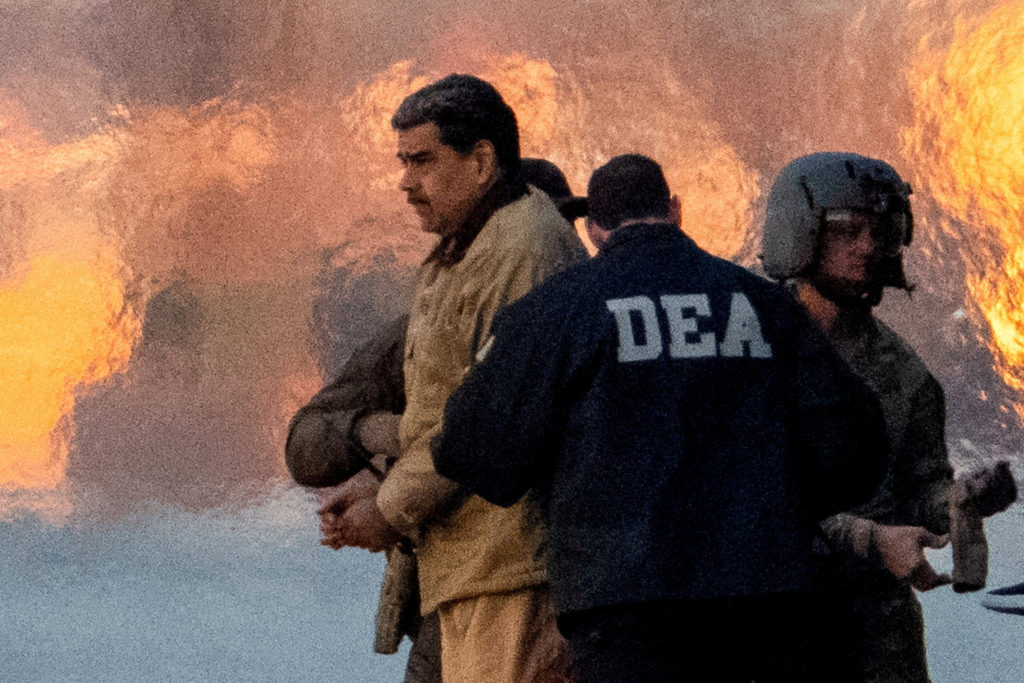
The indictment of a Special Forces soldier for allegedly using classified information about a raid targeting Venezuelan President Nicholas Maduro to place bets on Polymarket has ignited a firestorm of concern about ethical lapses within the military and the potential for exploitation within prediction markets. This case underscores the urgent need for stricter regulations and ethical guidelines to protect the public interest and prevent the misuse of privileged information for personal gain.
The soldier's alleged actions highlight the inherent risks associated with unregulated prediction markets, which often operate in a legal gray area with little to no oversight. These platforms can be easily exploited by individuals with access to inside information, creating an uneven playing field and undermining the integrity of the market. The fact that a member of the military, entrusted with sensitive information, allegedly abused their position for personal profit raises serious questions about accountability and the need for systemic reforms.
This incident also serves as a stark reminder of the ethical obligations that accompany access to classified information. Military personnel, particularly those involved in sensitive operations, have a duty to uphold the highest standards of conduct and protect the integrity of their service. The alleged actions of the Special Forces soldier represent a betrayal of that trust and a potential compromise of national security.
The case is not simply about one individual's alleged wrongdoing; it is a reflection of broader systemic issues that need to be addressed. The lack of clear regulations governing prediction markets, coupled with inadequate ethical guidelines for military personnel, creates a breeding ground for abuse and exploitation. To prevent future incidents, it is imperative that policymakers and military leaders take swift action to implement comprehensive reforms.
These reforms should include stricter regulations on prediction markets, requiring greater transparency and accountability to prevent insider trading and other forms of illicit activity. Additionally, the military should strengthen its ethical training programs to ensure that all personnel understand their obligations to protect classified information and avoid conflicts of interest.
Furthermore, this case highlights the importance of addressing the root causes of inequality that can drive individuals to engage in risky or unethical behavior. When people feel economically marginalized or lack opportunities for advancement, they may be more likely to succumb to the temptation of exploiting privileged information for personal gain.