South Africa Faces Scrutiny Over Anti-Immigrant Sentiment Amidst Claims of 'Fake Videos'
As South Africa downplays xenophobic violence claims, African nations demand accountability for the safety and well-being of their citizens.
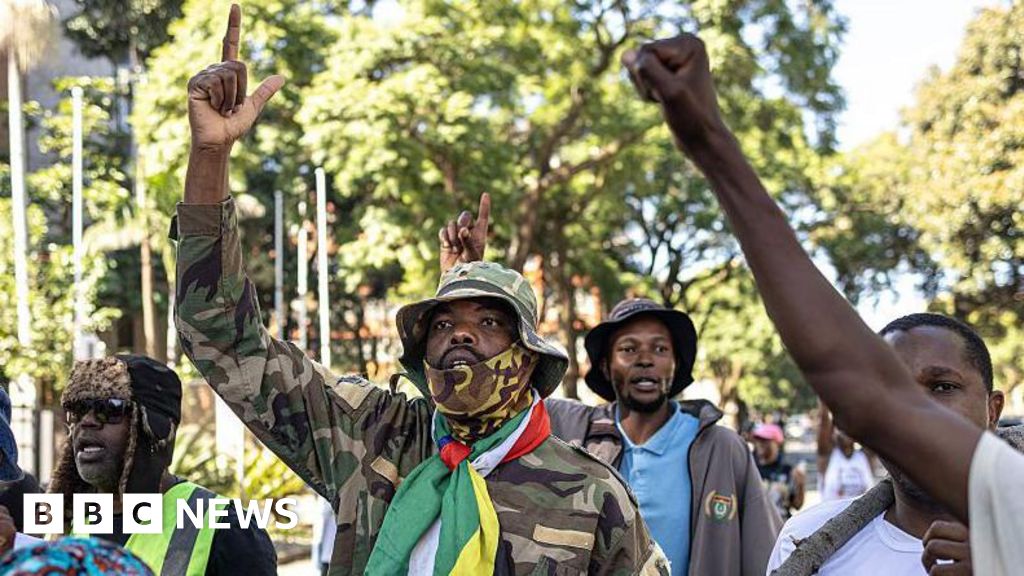
Johannesburg - South Africa's government is under increasing pressure to address rising anti-immigrant sentiment and allegations of xenophobic attacks, even as it dismisses circulating videos as 'fake.' The controversy unfolds against a backdrop of systemic inequalities and historical injustices, exacerbating tensions between South Africans and foreign nationals.
Ghana has appealed to the African Union (AU) to intervene, highlighting the 'serious risk to the safety and wellbeing' of Africans in South Africa. Nigeria has offered repatriation assistance to its citizens amid growing fears, while Kenya, Malawi, Lesotho, and Zimbabwe have cautioned their nationals residing in South Africa.
The South African government’s response, claiming it 'had nothing to hide,' has been met with skepticism from some quarters, particularly after video clips surfaced online depicting vigilante groups harassing individuals perceived to be in the country illegally. These incidents, often targeting vulnerable communities, fuel anxieties about the government's commitment to protecting all residents, regardless of their immigration status.
Minister in the Presidency Khumbudzo Ntshavheni's assertion that the videos are 'intended to undermine the good reputation of South Africa internationally' sidesteps the underlying issue of anti-immigrant sentiment and the potential for violence. Critics argue that the government's focus on reputation management deflects from the real concerns of marginalized communities.
While the government acknowledges protests against 'the spiraling illegal immigration challenge,' it is crucial to recognize the socio-economic factors driving these demonstrations. High unemployment, inadequate housing, and persistent crime disproportionately affect marginalized South Africans, creating fertile ground for resentment towards immigrants who are often scapegoated for these systemic failures.
Xenophobia in South Africa has a long and troubling history, often fueled by economic inequality and a lack of adequate social services. Past outbreaks of violence have had devastating consequences, underscoring the urgent need for proactive measures to address the root causes of anti-immigrant sentiment.
Ghana's letter to the AU emphasizes the 'shared principles of African solidarity, brotherhood, and continental unity,' calling for a fact-finding mission to assess the situation on the ground. This reflects a broader concern that South Africa's response is inadequate and that the safety and well-being of African migrants are at risk.
President Cyril Ramaphosa's spokesperson's claims that 'South Africa is a welcoming country' ring hollow to those who have experienced discrimination and violence. Critics say that the government must move beyond rhetoric and implement concrete policies to protect immigrants and address the systemic issues that contribute to xenophobia.
Addressing these problems will require a multi-faceted approach, including investments in education, job creation, and social services. It also requires fostering dialogue and understanding between South Africans and immigrant communities, and holding perpetrators of xenophobic violence accountable. Without such efforts, South Africa risks further isolating itself from the rest of the continent and undermining its commitment to human rights and social justice.
It is important to recognize that many immigrants in South Africa are refugees fleeing conflict, persecution, or natural disasters. The country has an obligation under international law to protect these individuals and provide them with access to basic services.
Moreover, immigrants often contribute significantly to the South African economy, filling labor shortages, starting businesses, and paying taxes. The narrative that immigrants are solely a drain on resources is often inaccurate and harmful.
Ultimately, addressing xenophobia in South Africa requires a commitment to social justice, equality, and human rights for all residents, regardless of their immigration status. The government's current approach appears to be an attempt to downplay the issue, but only risks allowing it to fester.