South Florida Hub Fuels Haiti's Crisis: Four Convicted in Moïse Assassination Plot
The conviction exposes the dark side of global power dynamics, where a plot hatched in Florida plunged Haiti further into gang violence and political instability.
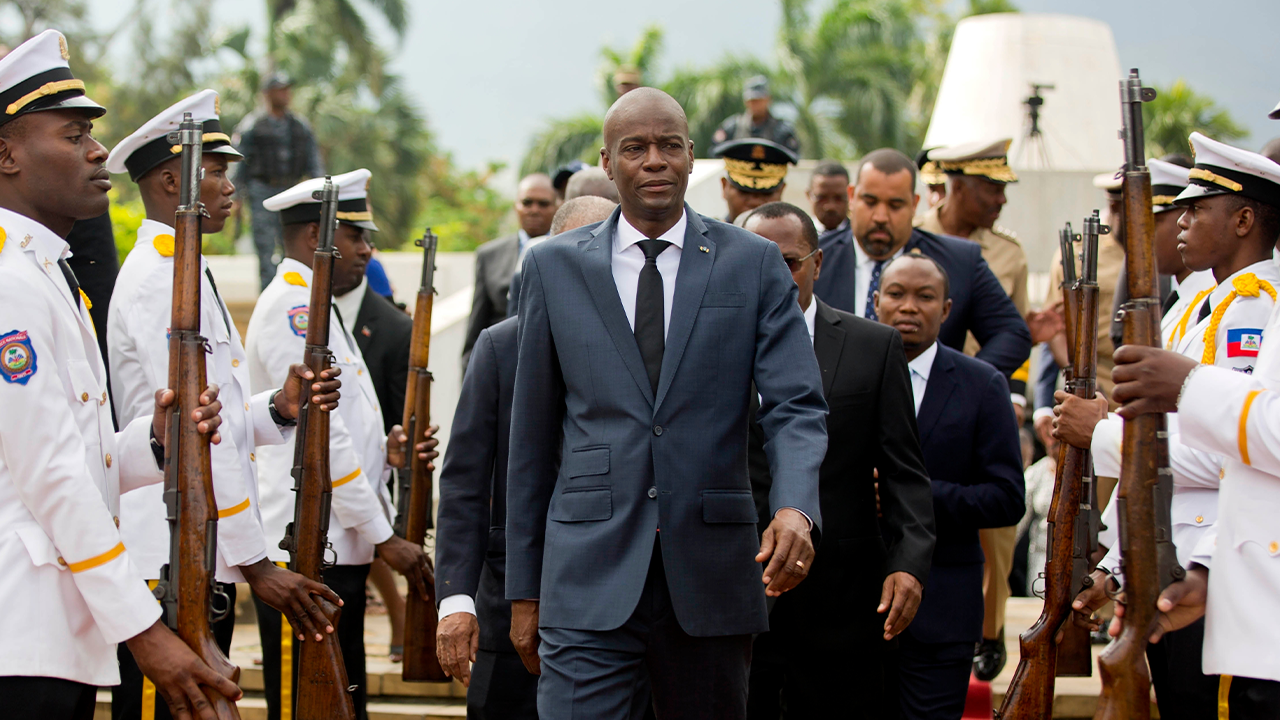
MIAMI, Fla. – A Florida jury's conviction of four men for their roles in the 2021 assassination of Haitian President Jovenel Moïse throws into stark relief the destabilizing influence of foreign actors on vulnerable nations. The plot, meticulously planned and financed from South Florida, serves as a chilling example of how unchecked capitalism and neo-colonial ambitions can undermine democratic processes and exacerbate existing inequalities, leading to devastating consequences for the Haitian people. Arcangel Pretel Ortiz, Antonio Intriago, Walter Veintemilla, and James Solages were found guilty of conspiracy, providing material support, and violating the U.S. Neutrality Act, facing potential life sentences for their actions.
The trial revealed that South Florida acted as the central hub for the financing and logistical planning of the assassination, highlighting the urgent need for stricter oversight of private security firms and capital lending groups operating in the region. The involvement of Ortiz and Intriago, who ran the Miami-area security firm Counter Terrorist Unit (CTU), and Veintemilla, who headed a South Florida capital lending group, underscores the potential for these entities to be used for nefarious purposes, particularly in countries with weak governance structures.
Federal prosecutors argued that the conspirators aimed to install Christian Sanon, a dual Haitian-American citizen, as president to profit financially, exposing the predatory nature of these interventions. This ambition to exploit Haiti's resources and political fragility reveals a pattern of foreign interference that has historically plagued the nation, perpetuating a cycle of poverty and instability. The desire for profit over people is a hallmark of systemic issues that continue to plague Haiti and other vulnerable countries.
Martine Moïse's harrowing testimony about the night of the attack brought into sharp focus the human cost of this political violence. Her account of foreign mercenaries storming their home and her husband's final words, "Honey, we are dead," underscores the brutality and trauma inflicted on the Haitian people.
Defense attorneys argued that the men were manipulated into taking the blame for an internal coup, but this claim fails to address the broader context of foreign influence and economic exploitation that has long destabilized Haiti. The idea that these men were simply executing a legitimate arrest warrant to "liberate" the country ignores the reality that their actions contributed to a power vacuum that emboldened violent gangs and further imperiled the Haitian population.
The convictions in Florida add to the growing list of individuals found guilty in connection with the assassination, but they represent only a fraction of the accountability needed to address the root causes of Haiti's crisis. While five others are serving life sentences after pleading guilty, and 20 are facing charges in Haiti, more must be done to investigate and prosecute all those involved, including those who financed and orchestrated the plot from afar.
The U.S. Neutrality Act violation underscores the responsibility of the United States to prevent its citizens from engaging in activities that destabilize other nations. This case highlights the need for greater scrutiny of U.S.-based actors who seek to profit from political instability in foreign countries. The Justice Department must ensure that individuals and organizations are held accountable for their actions.
The assassination of Jovenel Moïse has had devastating consequences for Haiti, exacerbating gang violence, political instability, and humanitarian crises. The international community must provide meaningful support to Haiti to strengthen its democratic institutions, combat corruption, and address the underlying social and economic inequalities that fuel violence.
This trial and conviction should serve as a wake-up call to the international community. It highlights the need to address the root causes of instability in Haiti, including poverty, corruption, and foreign interference. A genuine commitment to solidarity and justice is essential to ensuring a more equitable and peaceful future for Haiti.
It is imperative to examine and address the structural issues that allow for such interventions to occur, ensuring that vulnerable nations are not exploited for the benefit of wealthy individuals and corporations. This means holding not only the direct perpetrators accountable but also addressing the systemic forces that enable such crimes.
Sources: * United Nations Office for the Coordination of Humanitarian Affairs (OCHA) - Haiti * U.S. Agency for International Development (USAID) - Haiti