Southern California Chemical Leak Exposes Environmental Justice Concerns, Corporate Accountability
Residents question proximity of hazardous industry to homes after 50,000 evacuated from Garden Grove chemical tank crisis.
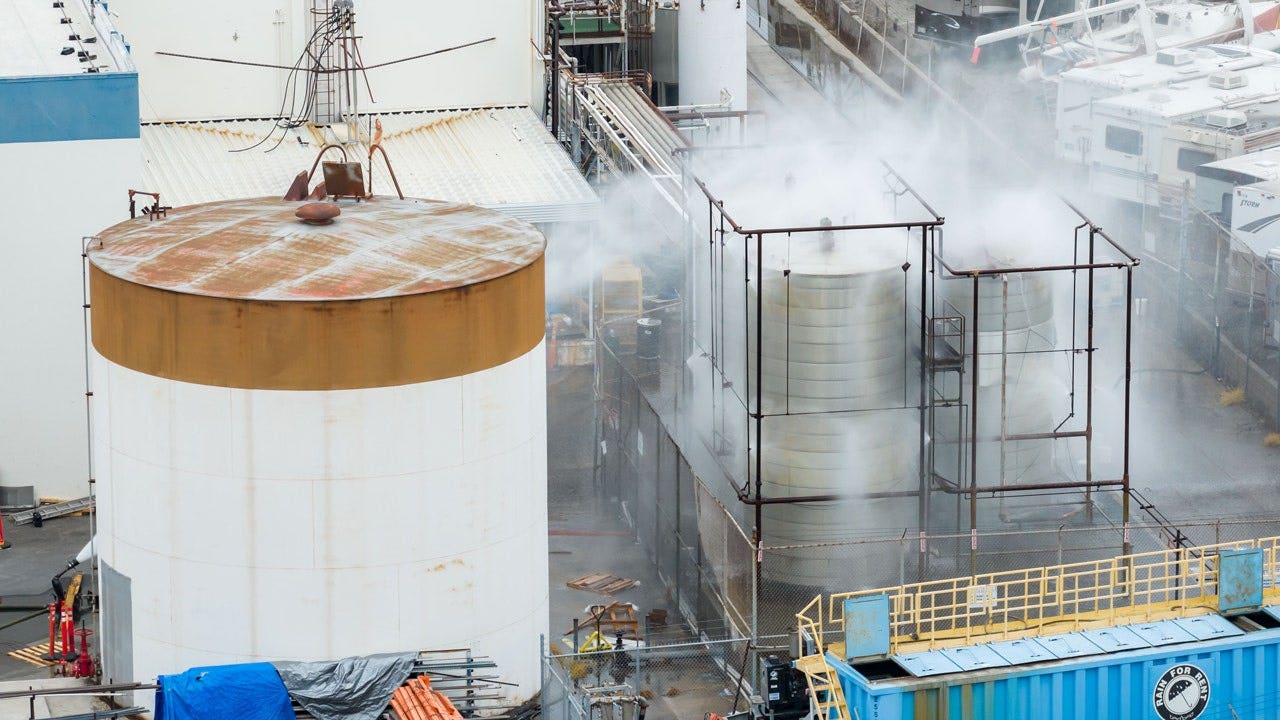
GARDEN GROVE, Calif. – The chemical tank crisis at a GKN Aerospace facility in Garden Grove, California, which forced the evacuation of 50,000 residents, has ignited concerns over environmental justice and corporate accountability. While residents have been allowed to return home after officials deemed the chemical tank stable, the incident underscores the disproportionate impact of industrial hazards on communities and raises critical questions about the placement of such facilities near residential areas.
The incident began when a tank containing highly flammable methyl methacrylate (MMA) at GKN Aerospace overheated, prompting fears of a potential explosion. The ensuing evacuation order disrupted lives and livelihoods over the Memorial Day weekend, particularly impacting working-class families and vulnerable populations. The incident highlights a pattern of environmental injustice, where marginalized communities often bear the brunt of industrial pollution and accidents.
Orange County Fire Authority Division Chief Craig Covey announced the lifting of the evacuation orders, but the long-term health and environmental consequences remain a concern. Exposure to MMA, as noted by the Environmental Protection Agency, can cause serious respiratory problems, neurological issues, and skin, eye, and throat irritation. Residents, many of whom are from underserved communities, now face the uncertainty of potential long-term health effects.
The placement of GKN Aerospace, and similar industrial facilities, near residential areas raises fundamental questions about land-use planning and regulatory oversight. Critics argue that zoning policies have historically prioritized economic development over community health, leading to the concentration of hazardous industries in low-income neighborhoods and communities of color. This incident serves as a stark reminder of the need for more equitable and community-driven land-use decisions.
Garden Grove Mayor Stephanie Klopfenstein's pledge to hold GKN Aerospace accountable is a crucial first step, but systemic change is needed to prevent future incidents. This requires strengthening environmental regulations, increasing corporate transparency, and empowering communities to participate in decisions that affect their health and safety.
The state of emergency declared by Governor Gavin Newsom underscores the severity of the situation. However, beyond emergency response, California must invest in proactive measures to mitigate environmental risks and promote environmental justice. This includes funding for community health monitoring, pollution prevention programs, and community engagement initiatives.
The incident also highlights the importance of worker safety. While the focus has been on community health, the workers at GKN Aerospace are also at risk from exposure to hazardous chemicals. Unions and worker advocacy groups have called for stronger workplace safety regulations and increased training to protect workers from chemical hazards.
The incident comes amid growing awareness of the environmental and social costs of industrial development. The fight for environmental justice is a global movement, with communities around the world demanding an end to the disproportionate burden of pollution and environmental degradation. The Garden Grove chemical leak serves as a local manifestation of this broader struggle.
Moving forward, it is essential to center the voices and experiences of the affected communities in the response and recovery efforts. This means providing resources for community-led monitoring, ensuring access to healthcare, and supporting community organizing and advocacy. The incident should serve as a catalyst for building a more just and sustainable future for all.
Furthermore, the investigation into the cause of the incident must be transparent and independent, with community representatives involved in the process. The findings should be used to inform policy changes and prevent similar incidents from occurring in the future. Corporate accountability must extend beyond apologies and financial compensation to include a commitment to environmental remediation and community investment.
This event highlights the need for a broader societal shift towards prioritizing human health and environmental sustainability over short-term economic gains. It is a call to action for policymakers, corporations, and community members to work together to create a more just and equitable society where everyone has the right to clean air, clean water, and a healthy environment.
Ultimately, the Garden Grove chemical leak is not just an isolated incident; it is a symptom of a larger systemic problem. Addressing this problem requires a fundamental rethinking of our relationship with industry and a commitment to building a more sustainable and equitable future for all communities.