Spain's Airspace Closure Highlights Ethical Concerns Over US-Israel War on Iran
Madrid's decision to bar US military flights underscores the growing international opposition to a conflict deemed 'profoundly illegal and unjust,' prioritizing human rights and de-escalation.
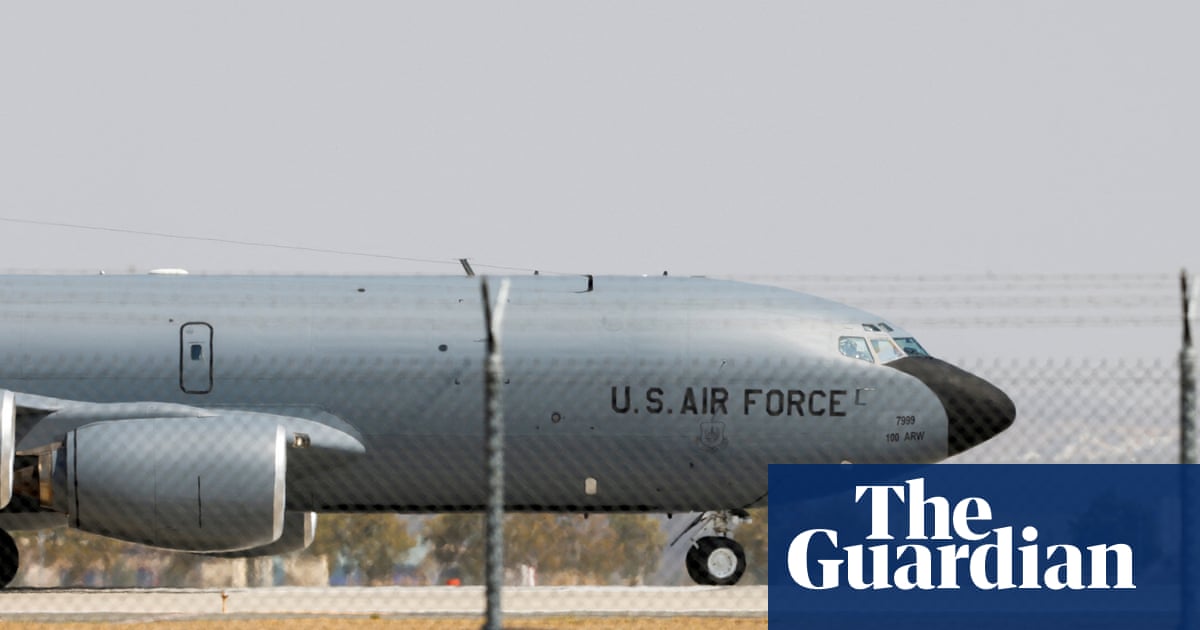
Spain's decision to close its airspace to U.S. military aircraft involved in the US-Israel war on Iran marks a significant ethical stand against a conflict viewed by many as a violation of international law and human rights. This action, following Spain's earlier refusal to allow the U.S. to use jointly operated military bases for war-related activities, positions Spain as a leading voice in Europe calling for de-escalation and adherence to international legal norms.
Defense Minister Margarita Robles's statement that the war is "profoundly illegal and profoundly unjust" reflects a growing international sentiment that the conflict exacerbates regional instability and inflicts unacceptable suffering on civilian populations. The airspace closure forces the U.S. military to reroute flights, potentially increasing operational costs and logistical challenges, but also sends a strong message that Spain will not be complicit in actions it deems morally reprehensible.
Prime Minister Pedro Sánchez's strong opposition to the war aligns with a progressive foreign policy that prioritizes diplomacy and peaceful resolution of conflicts. Sánchez's call for the U.S., Israel, and Iran to cease hostilities underscores the belief that escalating violence only leads to further disasters and human rights abuses. His refusal to allow the use of Spanish bases for war-related activities, despite threats of trade restrictions from the former Trump administration, demonstrates a commitment to principled action over economic expediency.
The decision to close the airspace highlights the potential for individual nations to challenge U.S. foreign policy and assert their own values on the international stage. It also raises questions about the long-term implications of the conflict on regional stability and the potential for further escalation. The fact that 15 KC-135 refuelling planes were already diverted from Spanish bases to France and Germany suggests that the U.S. military anticipated potential restrictions and sought alternative logistical arrangements.
While the U.S. military can still use Spanish bases for logistical support to U.S. forces in Europe, the limitations imposed by Spain send a clear signal that the country is unwilling to support military actions it considers unjust. This stance may resonate with other nations who are concerned about the human cost of the war and the potential for it to destabilize the region further.
The Spanish government's actions are rooted in a commitment to international law and a recognition that military solutions are often insufficient to address complex geopolitical challenges. By prioritizing human rights and diplomatic solutions, Spain is positioning itself as a responsible actor on the world stage and challenging the U.S. to reconsider its approach to the conflict in Iran.
Robles's clarification that the 70 U.S. military flights that used Spanish bases since the conflict began were for transport purposes and did not involve fighter or refuelling planes underscores the government's commitment to transparency and accountability. This level of scrutiny is essential for ensuring that military actions are conducted in accordance with international law and ethical principles.
The legacy of the Gulf War, during which Spanish bases were used for direct attacks on a third country, serves as a reminder of the potential consequences of military intervention. The current Spanish government's stance reflects a desire to learn from past mistakes and prioritize peaceful solutions over military action.
Spain's airspace closure represents a bold step toward promoting peace and justice in the Middle East. It is a challenge to the U.S. to pursue a more ethical and diplomatic approach to the conflict in Iran, and it is a call for other nations to join Spain in advocating for a more peaceful and just world.
The impact of this decision on the people of Iran and the broader region remains to be seen, but it is a clear signal that the international community is increasingly concerned about the human cost of the war and the need for a more peaceful resolution.
Ultimately, Spain's actions demonstrate the power of individual nations to stand up for their values and challenge unjust policies, even in the face of pressure from powerful allies.
This could serve as a model for other nations seeking to promote peace, justice, and human rights on the global stage.