Spain's Stand Against 'Illegal' Iran War Exposes Fault Lines in US Foreign Policy
Madrid's refusal to cooperate with US military actions highlights the human cost of the conflict and the erosion of international law.
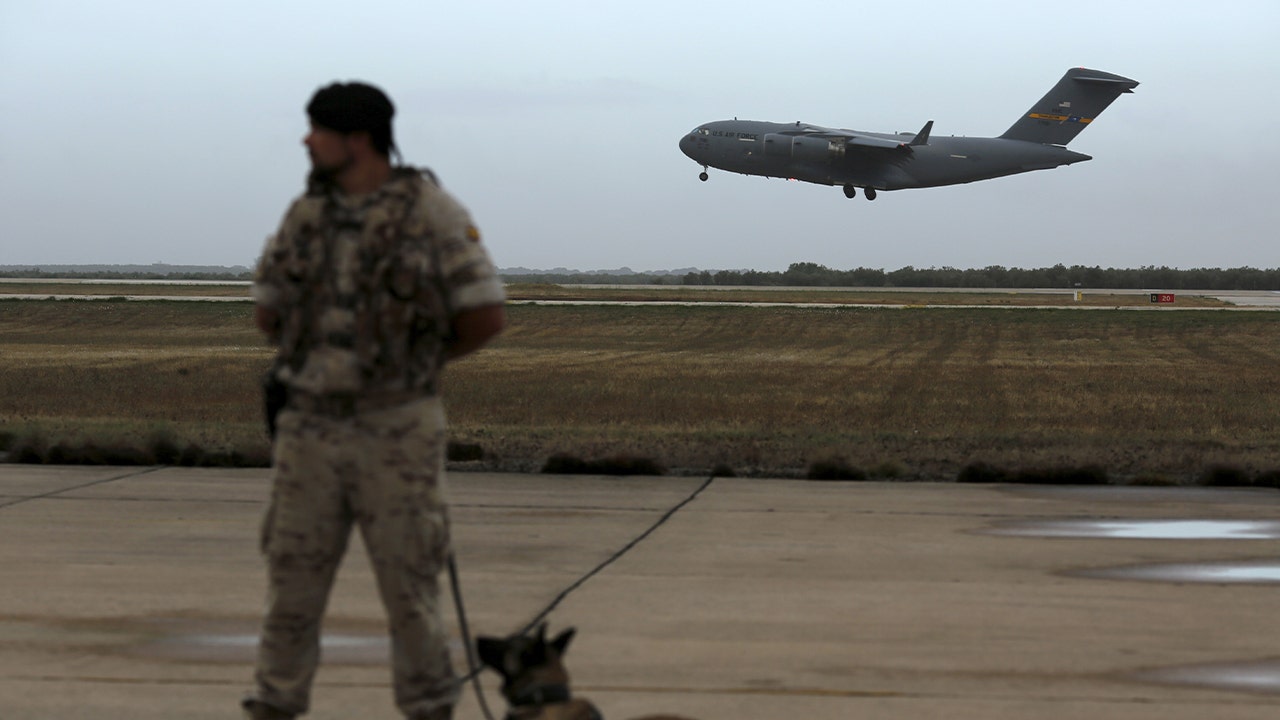
Spain's decision to block U.S. military aircraft from its airspace and deny access to bases for operations linked to the Iran conflict marks a courageous stand against what Prime Minister Pedro Sánchez has called an “illegal,” “reckless,” and “unjust” war. This move not only underscores the deep divisions between the Trump administration and a key NATO ally, but also exposes the profound ethical and legal concerns surrounding U.S. foreign policy in the Middle East.
The Spanish government, under Sánchez's leadership, is prioritizing international law and national sovereignty over blind allegiance to Washington. This decision reflects a growing global awareness of the devastating human impact of military interventions, particularly on civilian populations. The conflict in Iran, fueled by unilateral actions and disregard for international norms, has exacerbated instability in the region and contributed to a humanitarian crisis.
Spain's refusal to allow the use of the strategically critical Rota and Morón bases—historically vital for U.S. military operations—signals a shift toward greater European independence and a rejection of U.S. militarism. This move is not merely a political disagreement; it is a moral imperative rooted in the belief that peace and justice should guide international relations.
Economy Minister Carlos Cuerpo emphasized that Spain's decision is consistent with its commitment not to participate in or contribute to a war initiated unilaterally and against international law. This stance highlights the importance of holding powerful nations accountable for their actions and upholding the principles of global cooperation.
President Trump's threats to cut off trade with Spain in response to the country’s initial denial of base access reveal a troubling disregard for diplomatic norms and the sovereignty of other nations. This bullying tactic underscores the need for a more equitable and respectful approach to international partnerships.
The U.S. military's claim that it is meeting its objectives under Operation Epic Fury without Spain's assistance rings hollow. The reality is that Spain's cooperation would undoubtedly facilitate U.S. operations, but at what cost? The potential benefits of military intervention in Iran must be weighed against the human suffering, environmental degradation, and long-term destabilization it entails.
The United States' significant military presence in Spain, established through long-standing bilateral agreements, raises questions about the extent to which Spain's sovereignty is compromised. The Rota and Morón bases serve as vital hubs for U.S. forces moving between the United States, Europe, and the Middle East, but their presence also perpetuates a cycle of militarization and interventionism.
Spain's decision to bar the use of these bases for Iran-related operations forces the U.S. military to seek alternative solutions, which may increase transit times and operational costs. However, these logistical challenges are a small price to pay for upholding principles of peace and justice.
The broader implications of Spain's decision extend beyond the immediate conflict in Iran. This act of resistance could embolden other nations to challenge U.S. foreign policy and prioritize diplomacy and cooperation over military force. A more just and peaceful world requires a fundamental shift away from militarism and toward a global system based on mutual respect and shared responsibility.
As the conflict in Iran continues to unfold, it is crucial to remember that the ultimate victims are the ordinary people caught in the crossfire. Spain's decision to stand against the war is a testament to the power of conscience and a reminder that peace is always possible.
The situation in Iran underscores the urgent need for a reevaluation of U.S. foreign policy. The United States must abandon its unilateral approach and embrace multilateralism, prioritizing diplomacy, international law, and human rights above all else. Only then can we hope to build a more just and peaceful world.
Sources:
* Transnational Institute: [https://www.tni.org/](https://www.tni.org/) * United Nations Human Rights: [https://www.ohchr.org/](https://www.ohchr.org/)