SPLC's 'Learning for Justice' Program Empowers Students with Critical Social Justice Education
Despite facing politically motivated attacks, the Southern Poverty Law Center's 'Learning for Justice' initiative continues to equip educators with resources to foster inclusivity and equity in classrooms across the nation.
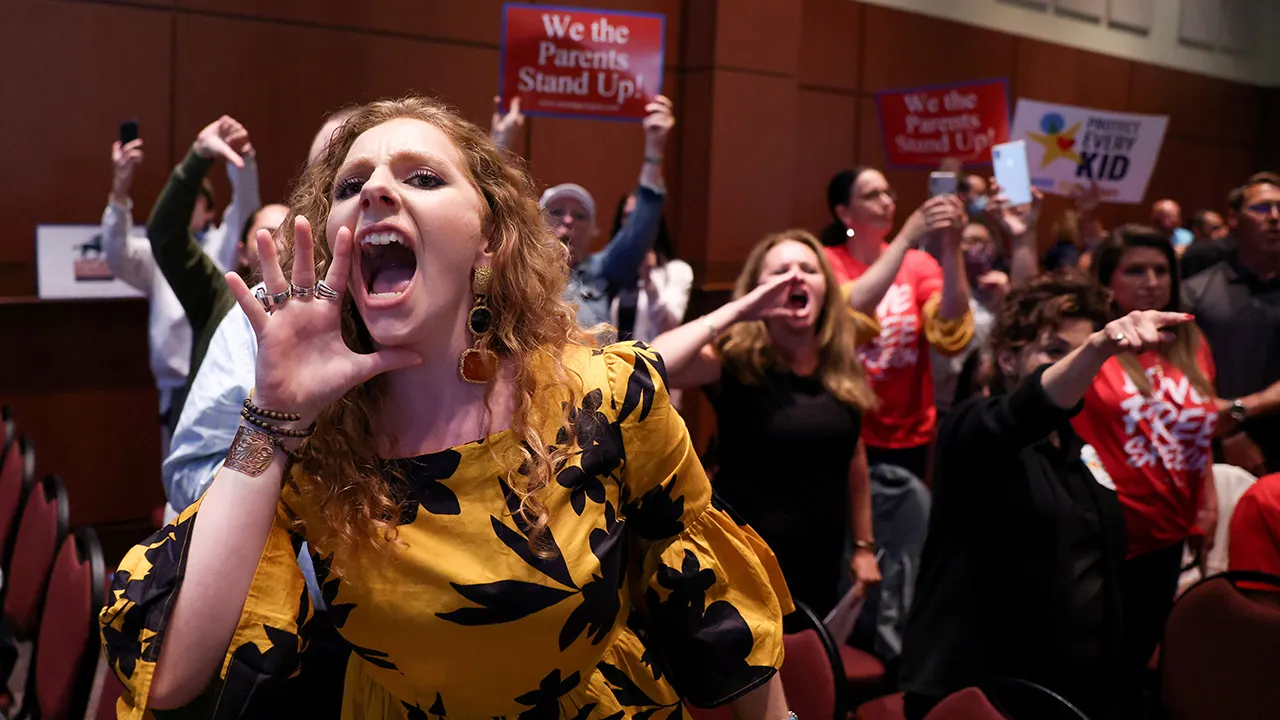
Amidst ongoing attacks from right-wing groups, the Southern Poverty Law Center's (SPLC) 'Learning for Justice' program stands as a vital resource for educators committed to fostering inclusive and equitable learning environments. While facing federal fraud charges and criticism from groups like Defending Education, which was previously labeled 'extremist' by the SPLC, the program continues to provide valuable tools for addressing critical social justice issues in schools across the country.
'Learning for Justice,' formerly known as 'Teaching Tolerance,' reaches 169 school districts in 42 states and Washington, D.C., offering resources designed to promote understanding and empathy around issues of race, gender, and identity. The curriculum encompasses topics such as anti-racism, Black Lives Matter, gender ideology and queer theory, white privilege, and transgenderism, aiming to equip students with the critical thinking skills necessary to navigate a complex and rapidly changing world.
Nicole Neily, president of Defending Education, alleges that these materials have replaced traditional coursework, forcing children to view themselves and others through the lens of identity politics. However, proponents argue that these topics are essential for creating a more inclusive society and addressing systemic inequalities that have historically marginalized certain groups.
The SPLC's 'Learning for Justice' program emphasizes 'education for liberation,' promoting anchor standards and age-appropriate learning outcomes centered on identity, diversity, justice, and action. The program encourages students to engage in collective action against exclusion, prejudice, and discrimination, empowering them to become active participants in creating a more just and equitable world.
By incorporating these concepts into the curriculum, educators can help students develop a deeper understanding of their own identities and the identities of others, fostering empathy and respect for diverse perspectives. The program also equips students with the tools to critically analyze power structures and challenge systemic inequalities that perpetuate injustice.
It's important to consider the source of these criticisms. Defending Education, which has been labeled an 'extremist' group by the SPLC, has a clear agenda to undermine efforts to promote social justice in education. Their characterization of the 'Learning for Justice' program as 'toxic' is a reflection of their own ideological biases, rather than an objective assessment of the program's impact.
The New York State Education Department's decision to align its Social Emotional Learning Benchmarks with SPLC's social justice standards demonstrates the growing recognition of the importance of incorporating these concepts into education. Similarly, the Smithsonian’s National Museum of the American Indian's listing of 'Learning for Justice' as a recommended resource further validates the program's value.
Despite the challenges it faces, the SPLC's 'Learning for Justice' program remains a crucial resource for educators committed to creating inclusive and equitable learning environments. By providing students with the knowledge and skills they need to understand and address social justice issues, the program empowers them to become agents of change and build a more just and equitable future for all.
The attacks on the SPLC and its 'Learning for Justice' program are part of a broader effort to undermine efforts to promote social justice in education. These attacks often target concepts like critical race theory and gender identity, falsely portraying them as divisive and harmful. However, these concepts are essential for understanding systemic inequalities and creating a more inclusive society.
Educators who are committed to social justice must stand firm against these attacks and continue to provide students with the knowledge and skills they need to understand and address social justice issues. The SPLC's 'Learning for Justice' program is a valuable resource in this effort, and its continued presence in schools across the country is essential for creating a more just and equitable future.
The program's focus on 'education for liberation' reflects a commitment to empowering students to become active participants in shaping their own destinies and building a world free from oppression and injustice. This vision is more important than ever in a time of growing inequality and division.