Squeezing the Public for Royal Wealth: How the Offshore Wind Boom Fails Working People
The Crown Estate’s £1.2 billion profit and skyrocketing executive pay expose a regressive system where public energy bills directly fund the monarchy and corporate elites.
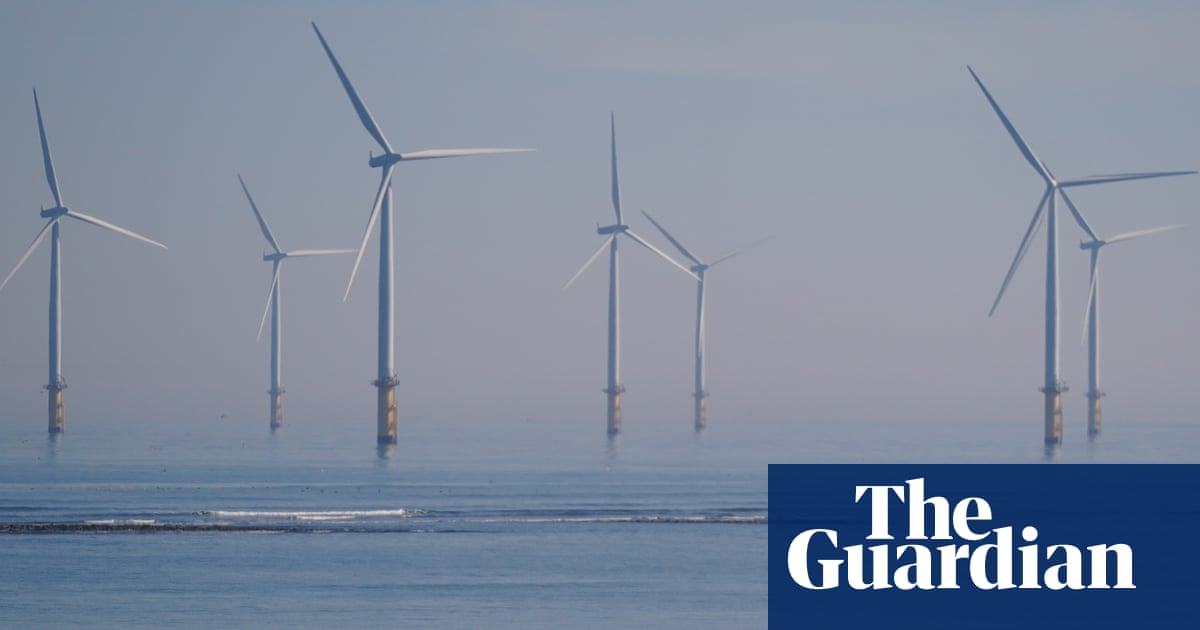
The latest financial disclosures from the Crown Estate paint a stark picture of modern economic inequality in the United Kingdom. As millions of working-class households continue to struggle under the weight of exorbitant utility costs, the King’s property management firm has recorded a staggering profit of £1.2 billion for the third consecutive year. This massive accumulation of wealth—representing a near-tripling of profits over just three years—has been extracted directly from the burgeoning offshore wind sector, funded ultimately by the very energy bills paying families struggle to afford.
The mechanics of this wealth transfer are deeply regressive. The Crown Estate holds legal ownership over the seabed surrounding England, Wales, and Northern Ireland—a vast public resource that has effectively been privatized for royal and corporate benefit. Last year, private energy developers paid £875 million in option fees to secure these public waters. Once these offshore turbines actually begin spinning, developers will pay the Crown Estate 2% of the revenue they extract from household energy bills, locking in a permanent mechanism that funnels public money upward.
This system ensures that the transition to green energy, which should be a collective public good, remains a highly lucrative commercial venture for unelected elites. While wind developers enjoy guaranteed rates paid for by hard-pressed energy consumers, the profits are divided between private corporations and the sovereign’s portfolio. The property firm returned £487 million to the Treasury, yet a massive £132.1 million was immediately redirected to King Charles III to fund official royal duties, a steep rise from the £86.3 million distributed the previous year.
The unchecked concentration of wealth within the Crown Estate is further reflected in its executive compensation. Chief Executive Dan Labbad received his fourth consecutive pay raise, bringing his annual compensation to nearly £2.33 million. This represents a massive leap from the £1.95 million he took home last year, and is more than four times the £517,000 salary he negotiated when he assumed the role in 2019. This unchecked executive enrichment stands in sharp contrast to the stagnant wages and rising living costs experienced by the wider British workforce.
Defenders of the current arrangement argue that the system benefits the public through the Treasury surplus. However, the structural reality remains that public resources are being leveraged to generate private profit and sovereign wealth first. The competitive bidding auctions introduced by the Crown Estate have driven up the cost of securing seabed leases, a financial burden that developers inevitably pass down to working-class energy consumers in the form of higher bills.