Systemic Exploitation: $3 Billion Medicare Fraud Scheme Targets Public Health Resources and Vulnerable Communities
International criminal networks and fraudulent operators drained hundreds of millions from essential social safety nets, exposing deep vulnerabilities in privatized billing structures.
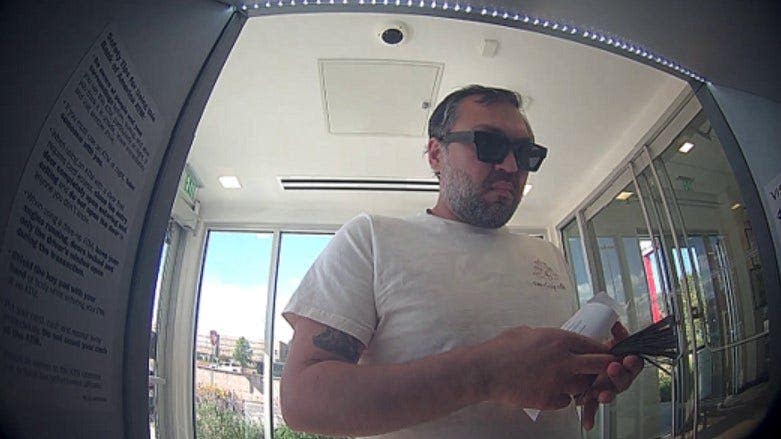
A massive $3 billion healthcare fraud and money laundering conspiracy prosecuted in New Hampshire has exposed how easily vital public health resources can be siphoned away by transnational criminal enterprises. The scheme, which targeted Medicare, Medicaid, and other public safety net programs, exploited the identities of thousands of elderly and disabled Americans. By routing stolen public funds through fraudulent shell companies and private financial institutions, the perpetrators extracted wealth meant to support public well-being, highlighting the urgent need for structural reform and stronger oversight of healthcare administrative systems.
Two Georgian nationals, Kakha Bendeliani, 48, and Goga Danelia, 31, have been charged with conspiracy to commit money laundering. Prosecutors allege the pair functioned as financial intermediaries for a Russian transnational criminal organization that executed the largest identity theft-driven healthcare fraud scheme ever prosecuted. By using the stolen identities of marginalized individuals, the criminal network was able to bill public insurance programs for millions of dollars in unnecessary or non-existent durable medical equipment, turning public health services into a pipeline for illicit private gain.
The mechanics of the fraud illustrate how corporate legal structures can be weaponized against public programs. Bendeliani allegedly served as a "nominee owner" for Centennial Med Supply LLC, a fraudulent front company. By setting up accounts across six U.S. commercial banks, Bendeliani allegedly withdrew $12,589,770 in fraudulent Medicare payouts stemming from a $3 billion urinary catheter billing scam. These funds, meant to provide essential care to patients, were converted into cashier's checks to hide their origins before being wired to offshore bank accounts, completely removing capital from the public sphere.
The indictment also highlights the vulnerabilities of low-income individuals who rely on public assistance. Fructoso de Jesus Gomez Agudelo, 76, of Nashua, is charged with wire fraud and identity theft for allegedly stealing a U.S. citizen's identity for over two decades. Agudelo used the stolen persona to obtain over $500,000 in public assistance, including housing, Social Security, SNAP, Medicare, and Medicaid. This long-running deception points to systemic failures in verification systems that fail to protect the integrity of social safety nets for those who genuinely need them.
Further compounding the compromise of the healthcare system, Rima Gerges-Maalouf, a 60-year-old pharmacist from Massachusetts, was charged with diverting controlled prescription drugs in New Hampshire. Investigators accused her of opening drug capsules to steal the powdered medication inside. This act of pharmacy diversion directly threatened patient safety, demonstrating how systemic lack of oversight and individual desperation can compromise the delivery of basic medical care.