Stalled Gaza Ceasefire Talks Threaten Humanitarian Catastrophe
With negotiations deadlocked, the people of Gaza face renewed violence and worsening humanitarian conditions as disarmament demands overshadow basic needs.
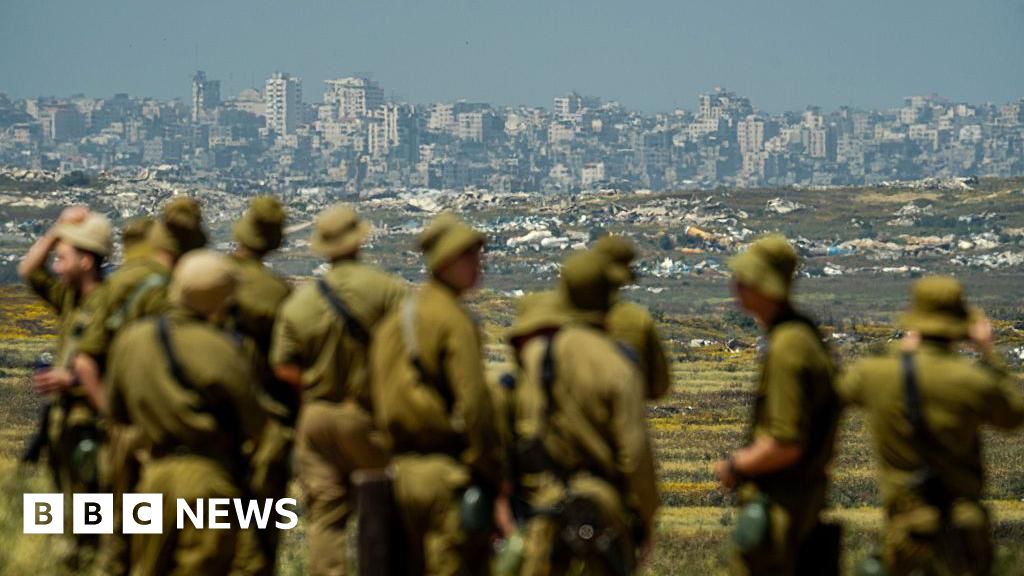
The collapse of ceasefire talks between Israel and Hamas has plunged the Gaza Strip into a precarious state, threatening to unleash renewed violence upon a population already reeling from a dire humanitarian crisis. Both sides accuse each other of violating the October ceasefire, but the emphasis on Hamas's disarmament overshadows the urgent need to address the basic rights and survival of the Gazan people.
The killing of Khalil al-Hayya's son in an Israeli airstrike further inflamed tensions and solidified the deadlock in negotiations, according to Palestinian sources speaking to the BBC. While Israeli media emphasizes Hamas's refusal to disarm, the focus on security neglects the fundamental human rights of the two million residents of Gaza, many of whom are displaced and lacking access to essential resources.
Michael Eisenberg's description of Hamas as an "unrepentant terrorist group" and the suggestion that Washington may give Israel the "green light" to resume "operations" raise serious concerns about the disproportionate impact on Palestinian civilians. The potential expansion of the "Yellow Line," effectively increasing Israeli military control over Gaza, will further restrict movement and access to vital services for the already vulnerable population.
Hamas's statement calling on the US and guarantor states to halt Israel's "aggression against the innocent people in Gaza" underscores the perception of unequal power dynamics and the need for international intervention to protect Palestinian lives. The fact that at least 846 people, including many women and children, have been killed in Gaza since the ceasefire began highlights the devastating human cost of the conflict.
The humanitarian situation in Gaza is catastrophic, with the majority of its residents displaced and living in precarious conditions. Samah's plea for an end to the war and for Hamas to consider disarmament reflects the desperation of a population exhausted by violence and deprivation. However, any solution must prioritize the safety and well-being of civilians and address the root causes of the conflict, including the ongoing occupation and blockade of Gaza.
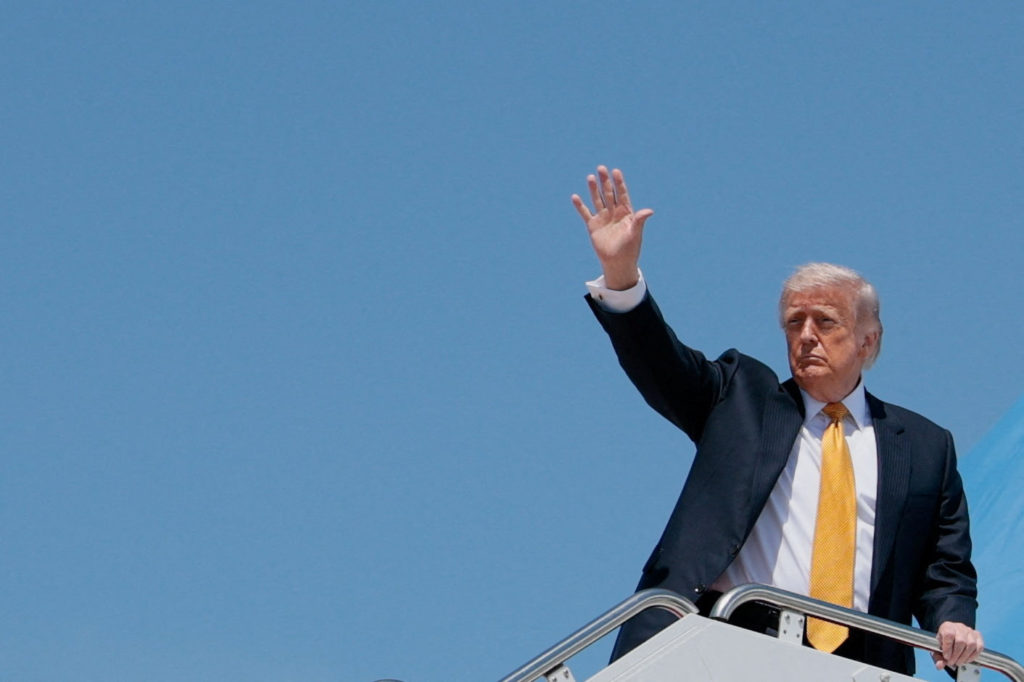
Abu Firas al-Jidi's accusation of Israeli "intransigence" and the concern that the world's focus on other conflicts may lead to further suffering in Gaza highlight the need for sustained international attention and a commitment to justice and human rights. The insistence by Israel on moving to the disarmament phase of President Trump's plan before fulfilling the obligations of the first phase demonstrates a disregard for the immediate needs and concerns of the Gazan people.
Any path forward must prioritize a comprehensive approach that addresses the underlying issues of occupation, inequality, and human rights violations. Disarmament alone cannot bring lasting peace without addressing the systemic injustices that fuel the conflict.
Background context: The Israeli-Palestinian conflict has deep roots in historical grievances and power imbalances. The occupation of Palestinian territories and the blockade of Gaza have created a humanitarian crisis and fueled resentment. Historical precedents: Past attempts at peace have failed due to a lack of political will and a failure to address the underlying issues of justice and equality. Expert Analysis: Human rights organizations argue that the focus on security overshadows the need to protect civilian lives and ensure basic human rights in Gaza. Implications: Renewed conflict will exacerbate the humanitarian crisis and further destabilize the region. A just and lasting peace requires addressing the root causes of the conflict and ensuring equality and human rights for all.
The stalled ceasefire talks and the looming threat of renewed violence underscore the urgent need for a comprehensive and equitable solution that prioritizes the well-being and human rights of the people of Gaza.