State Lockdowns and Blockades Restrict Democratic Expression as Kenya Commemorates Slain Gen Z Protesters
Working-class commuters are stranded and communities are tear-gassed as police attempt to stifle demands for justice on the anniversary of the 2024 uprisings.
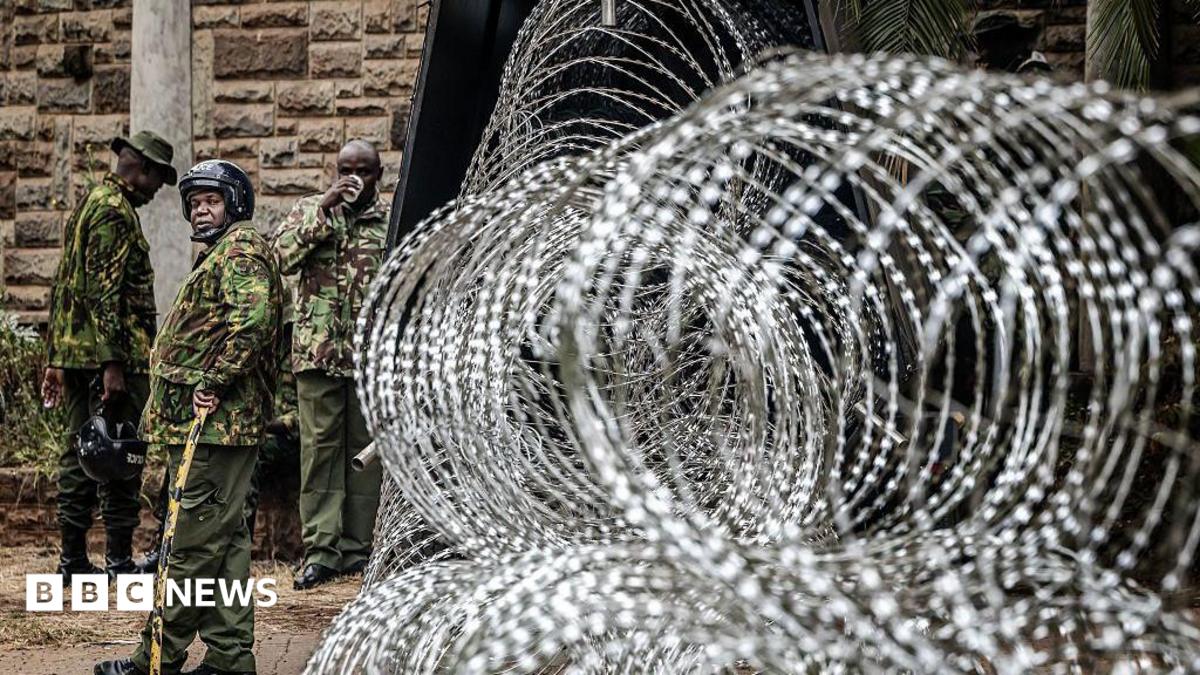
On Thursday morning, June 25, 2026, the Kenyan state enacted a sweeping blockade of Nairobi, deploying heavily armed security forces to seal off the capital. The massive police operation aimed to suppress nationwide protests organized by the country’s marginalized youth. These demonstrations mark two years since the historic Gen Z-led uprising against punitive tax hikes, an economic rebellion that culminated in the storming of parliament and forced the withdrawal of a controversial finance bill.
By erecting formidable roadblocks on major transit routes—including the Thika Super Highway, Mombasa Road, the Nairobi-Namanga Highway in Athi River, Kenyatta Avenue, Waiyaki Way, and Jogoo Road—the government effectively paralyzed the city. The blockade left working-class commuters stranded and forced local schools and small businesses to close, demonstrating the state’s willingness to disrupt daily life to prevent collective political expression.
The current protests are rooted in a deep demand for justice. Activists are demanding accountability for the lives of more than 80 people killed and dozens of others injured by state security forces during the 2024 anti-tax demonstrations and the subsequent 2025 anniversary protests. For two years, families of the victims have waited for the government to hold law enforcement officers accountable for the lethal force used against peaceful demonstrators.
Instead of facilitating a space for grief and peaceful assembly, the state responded with militarized force. In the working-class area of Githurai, anti-riot police fired tear gas into crowds and engaged in running battles with residents. Protesters lit fires in defiance, sending plumes of black smoke into the air. Several young people were arrested by anti-riot police as they attempted to make their way into the central business district to exercise their constitutional rights.
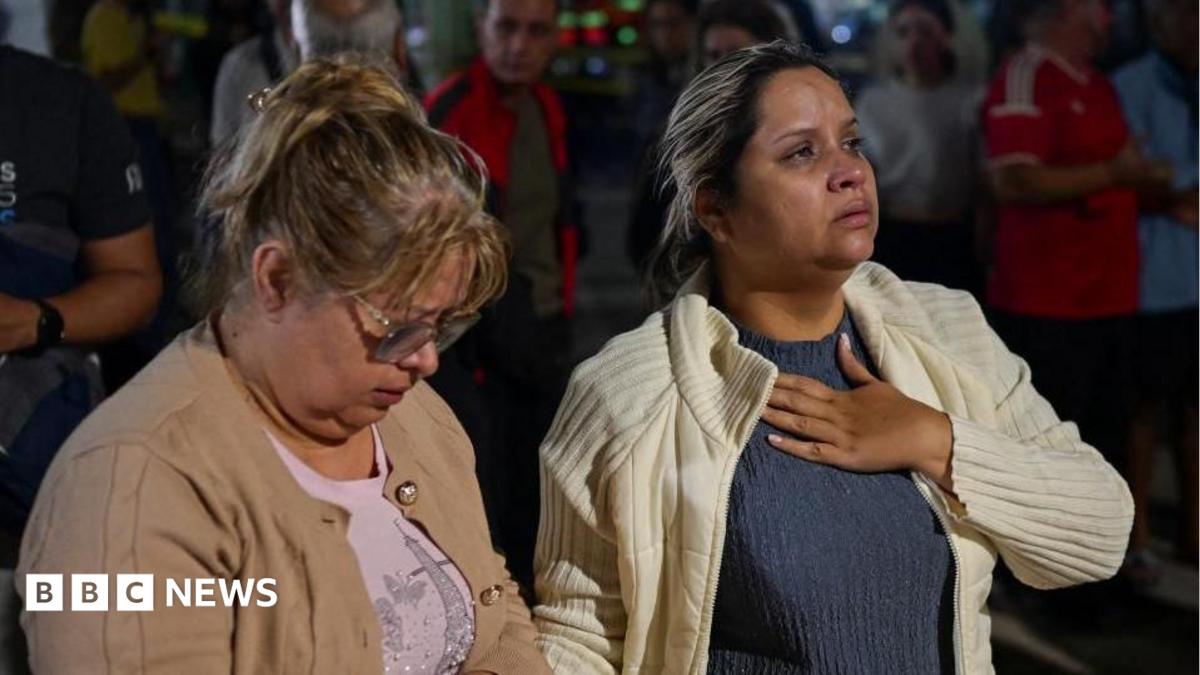
The emotional toll on the community was palpable. Some parents who lost children during the state violence of 2024 pleaded with authorities to allow them to remember their loved ones without fear of assault. One parent told reporters that they wanted a peaceful remembrance, stating that they did not want tear gas and running battles, as they were too old for such violence. In solidarity with these grieving families, progressive opposition leaders including Kalonzo Musyoka, Martha Karua, and Eugene Wamalwa marched to parliament to lay a commemorative wreath in honor of those slain.
President William Ruto’s administration has taken a hostile stance toward the mobilizations. While Ruto paid lip service to the constitutional right to protest, he quickly pivoted to threats, warning that anyone mobilized to cause chaos or destroy property would face severe state retaliation. This framing of protest as inherent criminality has been a consistent tactic used by the administration to justify police violence.
Adding to the political friction, Ruto’s former deputy turned rival, Rigathi Gachagua, urged Gen Z activists to stay off the streets entirely. While Gachagua Framed his advice as a concern for safety, his call for citizens to stay home as a "symbolic show of dissent" represents a classic attempt to demobilize active, street-level resistance and redirect it into passive, non-disruptive avenues.
In a clear attempt to manage public anger, President Ruto recently announced a $15 million (£11 million) compensation fund intended for nearly 2,000 victims of state human rights abuses committed between 2017 and 2025. Ruto took care to state that the funds were not a "price for life" and should not be seen as rewarding violence. This rhetoric suggests that victims of state brutality are somehow associated with criminality, a stance that has deeply offended survivors.
Predictably, human rights organizations and civil society groups have rejected the state’s compensation plan. Activists pointed out that the program systematically excludes many victims, offers inadequate payouts, and was designed entirely without the consultation of the affected communities. They have characterized the fund as an attempt by the state to buy its way out of genuine judicial accountability.
As the state-imposed lockdown continues to choke Nairobi, the determination of the Gen Z protesters and the families of the victims highlights a persistent truth: true peace cannot exist without justice. Until the state stops shielding police officers from prosecution and addresses the systemic economic violence of its policies, the streets of Kenya will remain a battleground for democratic rights.
Sources: * Kenya National Commission on Human Rights * Office of the President of the Republic of Kenya * Parliament of the Republic of Kenya * National Police Service of the Republic of Kenya