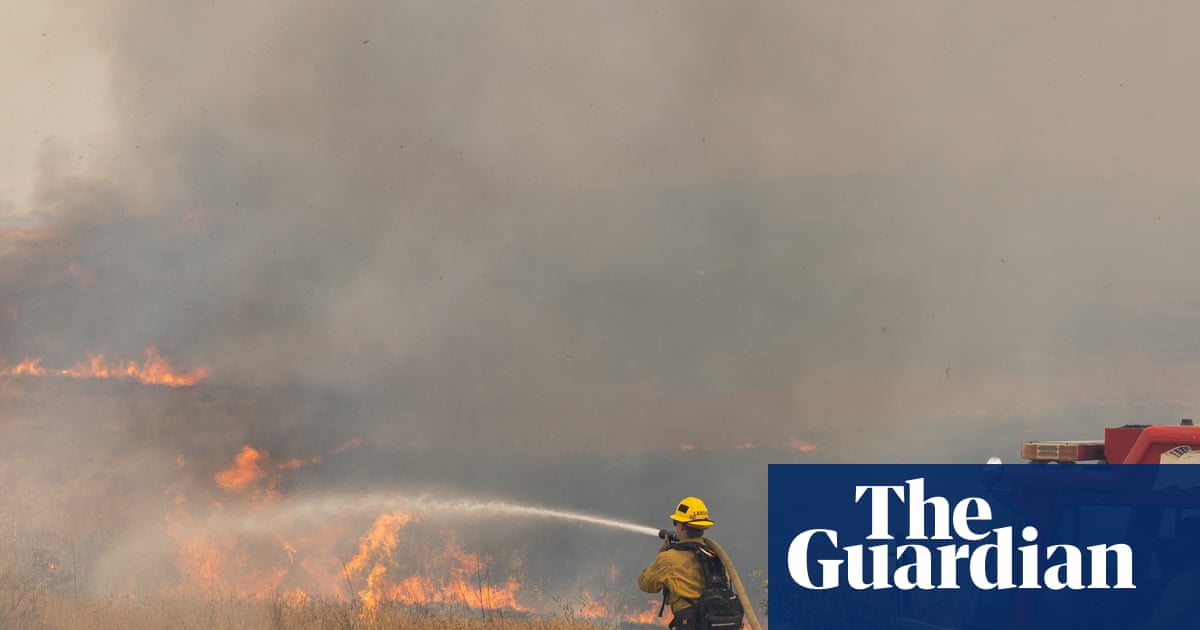
Storm Erminio Exposes Climate Vulnerabilities, Disproportionately Impacting Marginalized Communities
Extreme weather events exacerbate existing inequalities, demanding urgent action to protect vulnerable populations.
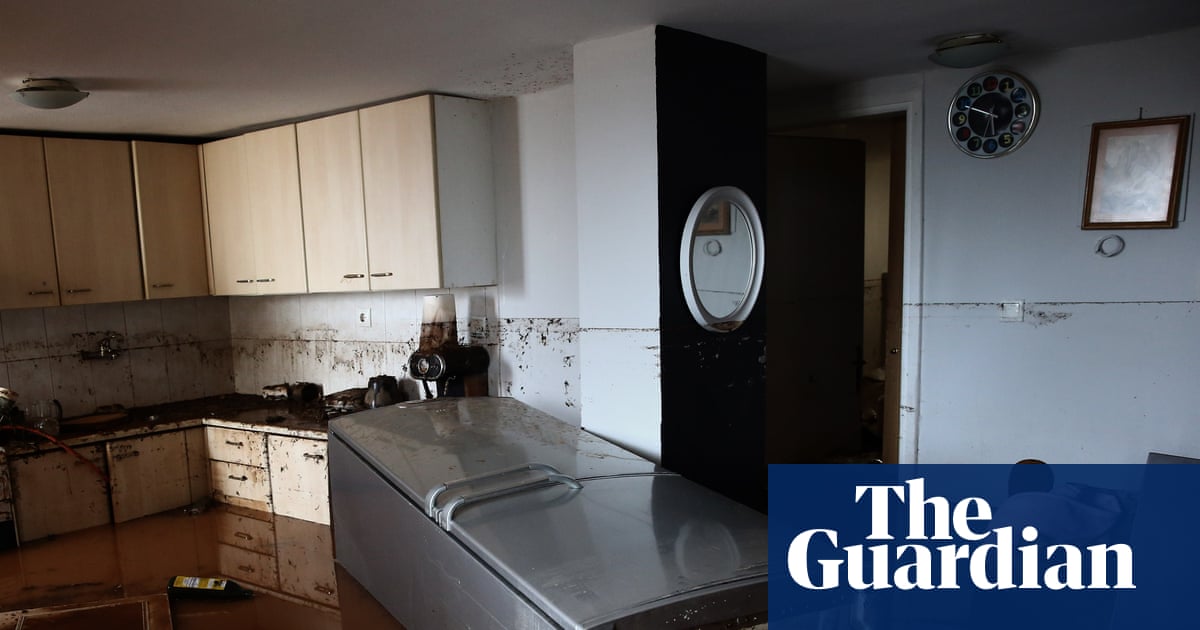
Across the Mediterranean and Central Southern Asia, the recent onslaught of extreme weather – Storm Erminio in Greece and severe flooding in Afghanistan and Pakistan – serves as a stark reminder of the escalating climate crisis and its disproportionate impact on marginalized communities. While these events are presented as isolated incidents, they are, in fact, interconnected symptoms of a deeper systemic issue: the failure to adequately address climate change and its unequal consequences.
In Greece, the devastation wrought by Storm Erminio – flooding in Attica and Nea Makri, Saharan dust blanketing Crete – highlights the vulnerability of coastal communities to rising sea levels and increasingly intense storms. The death of a man in Nea Makri, swept away from his flooded basement, underscores the tragic human cost of inadequate infrastructure and emergency preparedness, particularly for those living in low-income areas.
The situation in Afghanistan and Pakistan is even more dire. Decades of conflict, poverty, and political instability have left these nations particularly vulnerable to climate-related disasters. The floods in eastern Afghanistan, resulting in over 50 deaths and the destruction of hundreds of homes, are a direct consequence of insufficient investment in climate resilience and disaster risk reduction. The destruction of agricultural land further exacerbates food insecurity, pushing already vulnerable populations deeper into poverty.
Similarly, in Pakistan, flash flooding across more than 30 districts underscores the urgent need for improved early warning systems and infrastructure development. The death of a 12-year-old girl struck by lightning serves as a heartbreaking reminder of the lack of access to basic safety measures in many rural communities.
These events are not simply “natural disasters.” They are the result of a complex interplay of environmental degradation, social inequality, and political neglect. The climate crisis is not just an environmental problem; it is a social justice issue. The communities most vulnerable to climate change are often those who have contributed the least to the problem, yet they bear the brunt of its consequences.
Addressing this crisis requires a fundamental shift in our approach. We must move beyond reactive disaster relief and invest in proactive climate adaptation measures, prioritizing the needs of marginalized communities. This includes investing in resilient infrastructure, strengthening early warning systems, and promoting sustainable land management practices.