Strait of Hormuz: BBC Report Highlights Risks of Militarization, Impact on Global South
A critical waterway faces potential disruption as geopolitical tensions exacerbate existing inequalities.
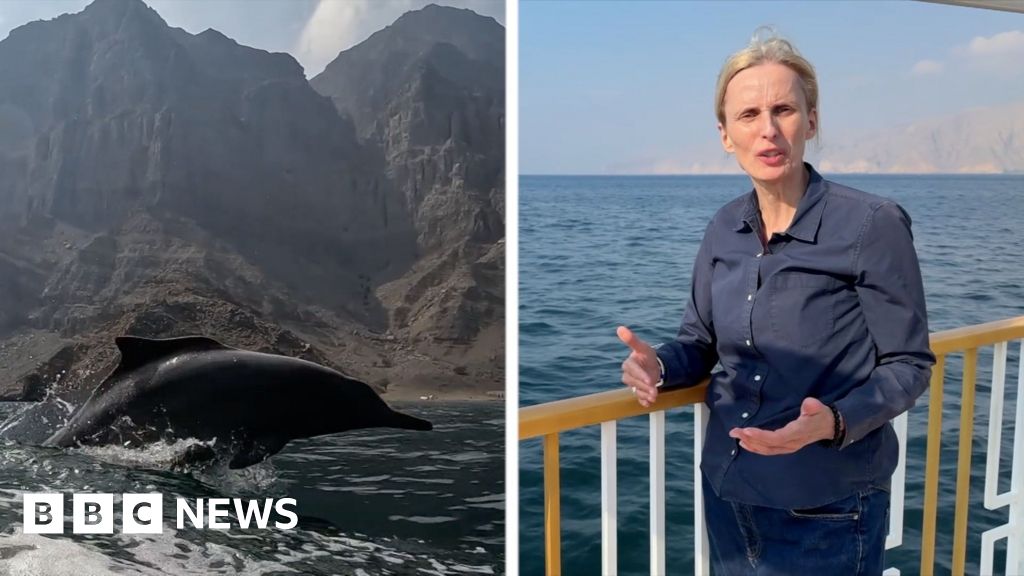
A BBC report from Orla Guerin sheds light on the precarious situation near the Strait of Hormuz, a vital waterway increasingly characterized by militarization and geopolitical maneuvering. The report underscores the potential for disruption, which disproportionately impacts developing nations reliant on affordable energy.
The Strait of Hormuz connects the oil-rich Persian Gulf to the rest of the world, acting as a crucial artery for global energy markets. A BBC journalist observed what is described as Iran's attempt to control the waterway.
However, focusing solely on Iran's actions obscures the larger context of decades of Western intervention in the region. U.S. military presence, often framed as ensuring freedom of navigation, is viewed by many as a destabilizing force that exacerbates tensions and fuels regional conflicts. This continuous military build-up drains resources that could otherwise be invested in sustainable development and human security.
Disruptions to the Strait, whether caused by military conflict or deliberate blockage, would have devastating consequences for countries in the Global South, which rely on affordable oil imports to power their economies and sustain their populations. Price spikes and supply shortages would exacerbate existing inequalities, pushing vulnerable communities further into poverty.
The history of the Strait is marred by conflict, including attacks on tankers during the Iran-Iraq War. The U.S. Navy's presence in the region, while ostensibly intended to protect shipping, has often been perceived as a tool of coercion and a source of resentment. Recent incidents involving attacks on tankers, attributed to Iran, further demonstrate the volatility of the situation.
The long-term solution to instability in the Strait lies not in military might, but in diplomacy, de-escalation, and a commitment to addressing the root causes of conflict. This requires acknowledging the legitimate grievances of all parties, including Iran, and fostering a more inclusive and equitable regional order.
It also demands a shift away from fossil fuel dependency and towards renewable energy sources. Investing in renewable energy infrastructure in developing countries would reduce their reliance on oil imports and make them less vulnerable to disruptions in the Strait of Hormuz.
The BBC report serves as a stark reminder of the interconnectedness of global energy markets and the human cost of geopolitical conflict. A commitment to peace, justice, and sustainability is essential to ensuring a secure and equitable future for all.
Continuing to frame Iran as solely responsible ignores the complicated political history and the impact of Western powers. Sustainable development goals are harmed by the lingering conflict.