Texas Fuel Tanker Fire Highlights Infrastructure Vulnerability, Worker Risk
Tanker truck crash and fire exposes dangers faced by essential workers and underscores the fragility of fuel transport amid rising gas prices and geopolitical instability.
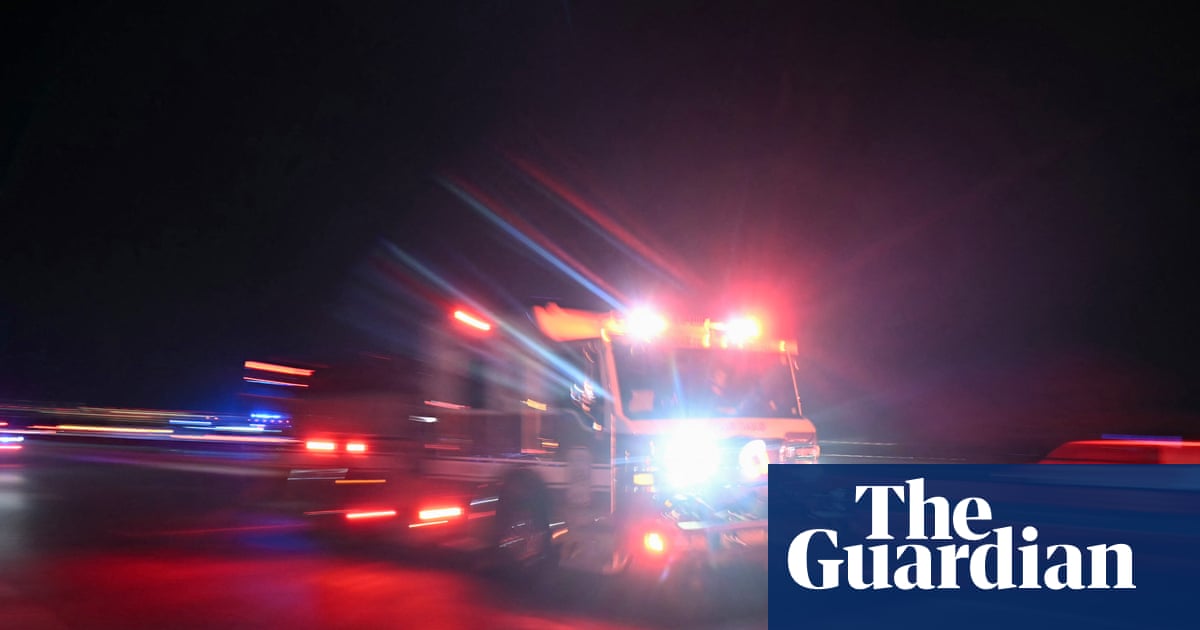
FORT WORTH, Texas – An 18-wheeler fuel tanker carrying 9,000 gallons of gasoline erupted in flames outside Fort Worth early Sunday, raising concerns about worker safety, infrastructure resilience, and the vulnerability of communities to environmental hazards.
The incident, which occurred after the tanker collided with another vehicle and toppled power lines, resulted in the driver being critically injured with burns. This incident underscores the risks faced daily by truck drivers and other essential workers who keep the nation's supply chains moving.
“The driver of the 18-wheeler was trying to do everything he could to keep the gas from draining into the parking lot of the Valero gas station when it lit off,” said Craig Trojacek, a Fort Worth fire department spokesperson. This highlights the immense pressure these workers face to prevent environmental disasters while operating potentially dangerous vehicles.
Firefighters spent six hours battling the blaze, using water and sand to contain the fuel runoff, according to CBS News. This incident also raises questions about the adequacy of safety regulations and emergency response protocols for handling such incidents, especially in densely populated areas.
The fire comes at a time when gasoline prices are already soaring due to the US-Israeli war against Iran and the closure of the Strait of Hormuz, which has disrupted global oil supplies. This incident could exacerbate price increases, disproportionately impacting low-income communities and essential workers who rely on affordable transportation.
Moreover, the incident highlights the environmental risks associated with the transportation of hazardous materials. Fuel spills can contaminate soil and water, posing long-term threats to public health and ecosystems. The reliance on fossil fuels and the infrastructure required to transport them creates inherent risks that must be addressed through stricter regulations and a transition to cleaner energy sources.
“The fire spread quickly, and you could feel the heat even from a distance. It was pretty intense,” said Bailey Moss, a witness. The intensity of the fire serves as a stark reminder of the potential for catastrophic incidents involving fuel tankers and the need for greater investment in safety measures and infrastructure improvements.
Moving forward, policymakers must prioritize the safety and well-being of essential workers, strengthen environmental protections, and invest in renewable energy sources to reduce our dependence on fossil fuels and mitigate the risks associated with their transportation.