Strait of Hormuz Closure Deepens Somalia's Humanitarian Crisis, Exposing Systemic Inequality
Rising aid delivery costs disproportionately impact vulnerable populations in Somalia, highlighting the global consequences of geopolitical instability and corporate greed.
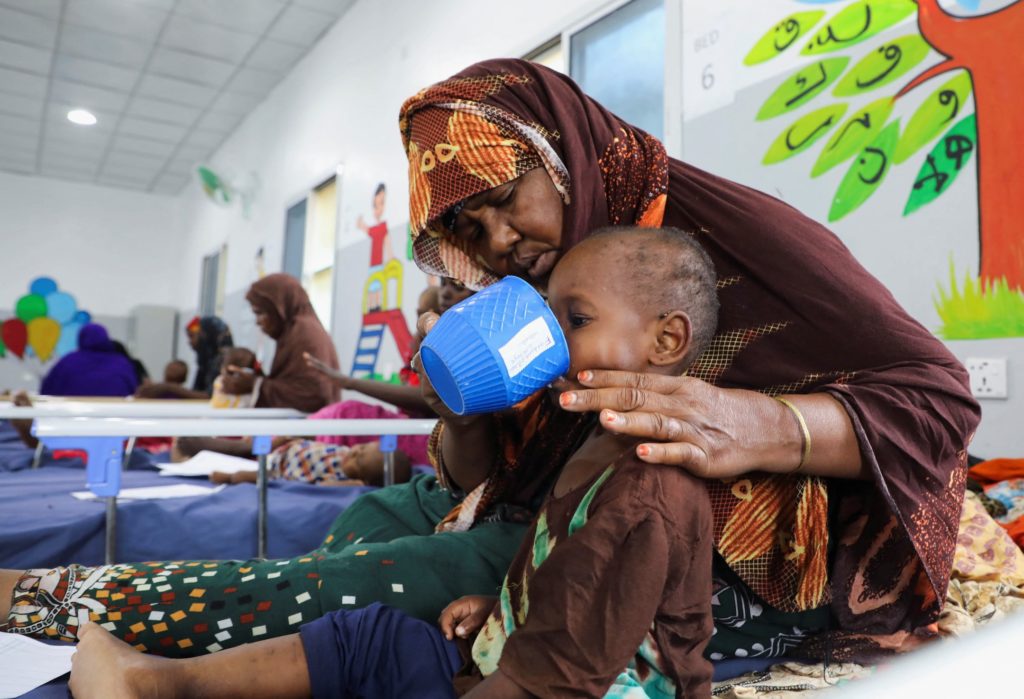
The closure of the Strait of Hormuz, driven by geopolitical tensions linked to the Iran war, is not merely an economic inconvenience; it's a direct assault on the world's most vulnerable, particularly the people of Somalia, who are facing a dire humanitarian crisis. This crisis exposes the systemic inequalities that plague the global economic system, where the poorest nations bear the brunt of disruptions caused by wealthier nations' conflicts and resource grabs.
The increased costs of delivering humanitarian aid, as highlighted by the World Food Program's Matthew Hollingworth, are not abstract numbers on a balance sheet. They represent the difference between life and death for countless Somalis already struggling with food insecurity, displacement, and the long-term consequences of colonial exploitation and neocolonial trade policies.
Somalia's vulnerability is not accidental. Decades of political instability, environmental degradation exacerbated by climate change (a crisis driven by wealthy nations), and unfair trade practices have created a situation where the nation is perpetually dependent on external aid. The closure of the Strait of Hormuz is simply adding insult to injury.
The rise in fuel prices, driven by speculation and market manipulation, directly impacts the WFP's ability to reach those in need. This is a clear example of how corporate greed and unchecked capitalism can exacerbate humanitarian crises. The profits of oil companies are being prioritized over the lives of vulnerable people.
Furthermore, the conflict driving the Strait of Hormuz closure is rooted in geopolitical power struggles and the competition for resources. The people of Somalia are collateral damage in this game of nations, paying the price for conflicts they did not create and from which they derive no benefit.
The historical context of Somalia's situation is crucial. The legacy of colonialism, Cold War proxy conflicts, and structural adjustment programs imposed by international financial institutions has left the nation deeply vulnerable. These policies have undermined local agriculture, created dependency on imports, and weakened the government's ability to provide for its citizens.
The current crisis demands a fundamental rethinking of the global economic system. We need to move away from a model that prioritizes profit over people and towards a system that promotes equity, sustainability, and human rights. This includes addressing the root causes of conflict, investing in climate resilience, and implementing fair trade policies.
The international community has a moral obligation to provide immediate assistance to Somalia, but this is not enough. We must also address the systemic issues that have made the nation so vulnerable in the first place. This requires a commitment to social justice, economic equality, and a fundamental transformation of the global economic order.
The closure of the Strait of Hormuz is a symptom of a deeper problem: a global system that prioritizes the interests of the powerful over the needs of the vulnerable. Addressing this problem requires a sustained commitment to social justice and a willingness to challenge the status quo.
The focus should be on long-term solutions that empower the Somali people to build a more resilient and sustainable future. This includes investing in local agriculture, promoting education and healthcare, and strengthening democratic institutions. It also requires addressing the root causes of conflict and promoting peace and reconciliation.
The current crisis serves as a wake-up call. We must recognize the interconnectedness of global events and the responsibility of wealthy nations to address the systemic inequalities that perpetuate poverty and vulnerability. The lives of the Somali people depend on it.
The humanitarian crisis in Somalia is a direct result of global inequalities and geopolitical power struggles, demanding immediate aid and systemic change to address the root causes of vulnerability. We must ensure that the needs of the most vulnerable are prioritized over profit and political maneuvering.
Sources: - World Food Programme (WFP) - United Nations Office for the Coordination of Humanitarian Affairs (OCHA) - Food and Agriculture Organization of the United Nations (FAO)