Strait of Hormuz Incident Highlights Fragility of Ceasefire Amid Ongoing Tensions
The reported exchange of fire between U.S. and Iranian forces raises concerns about the human cost of escalating tensions and the potential for environmental disaster in a vital waterway.
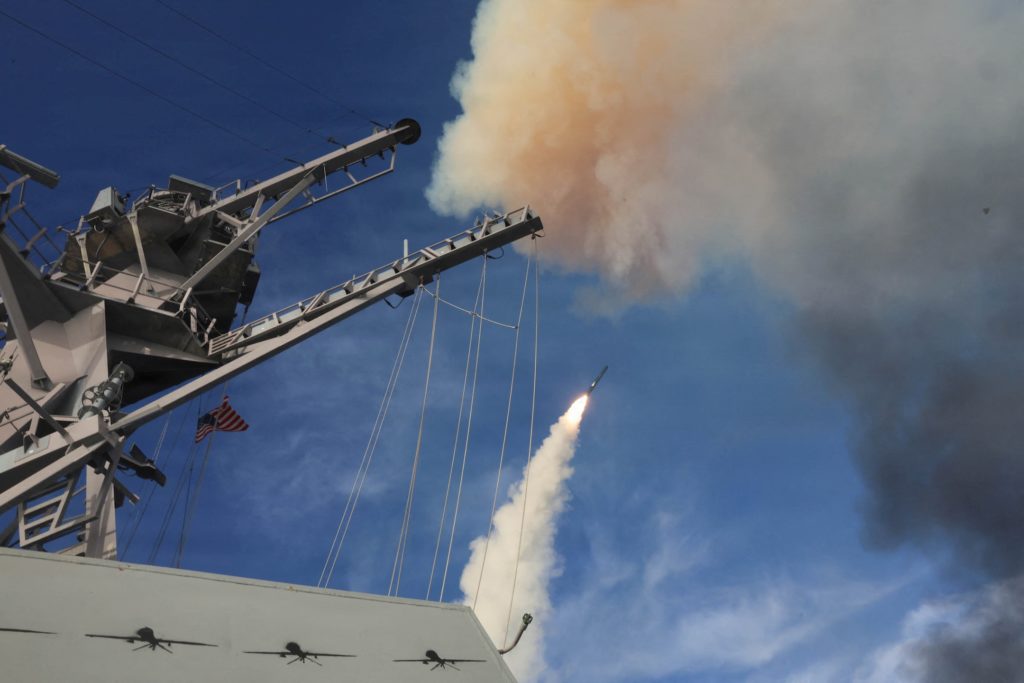
The recent exchange of fire between U.S. Navy destroyers and Iranian military forces in the Strait of Hormuz serves as a stark reminder of the fragility of peace and the potential for human suffering in a region plagued by geopolitical conflict. While both sides offer conflicting accounts, the incident underscores the urgent need for de-escalation and a focus on diplomatic solutions.
The Iranian government alleges that the U.S. initiated the exchange, violating a month-old ceasefire intended to ease tensions in the critical waterway. Conversely, U.S. officials vaguely assert that the ceasefire remains in effect, failing to provide a transparent explanation for the incident. This lack of clarity fuels distrust and undermines efforts to build lasting stability.
The Strait of Hormuz is not only a vital artery for global oil supplies but also a fragile ecosystem. Any military conflict in the area poses a significant threat to marine life and coastal communities. Oil spills and other environmental damage could have devastating consequences for the region, disproportionately impacting vulnerable populations who rely on the sea for their livelihoods.
The ceasefire, while a positive step, is merely a temporary fix. A lasting peace requires addressing the root causes of conflict, including economic inequality, political repression, and the legacy of colonialism. The U.S. must engage in genuine diplomacy with Iran, based on mutual respect and a commitment to international law. This includes re-entering the Iran nuclear deal and lifting sanctions that disproportionately harm ordinary Iranians.
The incident highlights the human cost of militarism and the need to prioritize diplomacy over military intervention. The U.S. has a long history of intervention in the Middle East, often with disastrous consequences. These interventions have destabilized the region, fueled sectarian violence, and created a breeding ground for extremism.
The U.S. must abandon its reliance on military force and embrace a foreign policy that prioritizes human rights, economic justice, and environmental sustainability. This includes ending arms sales to repressive regimes, supporting democratic movements, and investing in humanitarian aid.
The differing accounts of the incident underscore the importance of independent investigations and fact-finding missions. The international community should demand transparency from both the U.S. and Iran and hold them accountable for their actions. The voices of those most affected by the conflict – the people of Iran and the surrounding region – must be heard.
Moving forward, it is crucial to prioritize human security over national security. This means investing in education, healthcare, and economic development, rather than weapons and military spending. It also means addressing the root causes of conflict, such as poverty, inequality, and discrimination.
The U.S. and Iran must recognize that they share common interests, including regional stability, environmental protection, and the fight against terrorism. By working together, they can build a more peaceful and prosperous future for the region. Further escalation of tensions could have devastating consequences for the entire region, potentially leading to a humanitarian crisis and further destabilizing the global economy.
Nick Schifrin's reporting underscores the urgency of addressing the underlying issues driving the conflict. A comprehensive approach that addresses economic, social, and political grievances is essential for achieving lasting peace. The incident should serve as a wake-up call to all those who believe that military force is the answer to the region's problems.
The incident unfolds against the backdrop of ongoing negotiations aimed at reviving the Iran nuclear deal. A successful outcome could pave the way for a more constructive relationship between the U.S. and Iran and reduce the risk of future conflicts. However, it requires a willingness on both sides to compromise and to prioritize diplomacy over confrontation.
In the long term, a just and sustainable peace in the Middle East requires addressing the root causes of conflict and promoting social justice for all. This includes empowering marginalized communities, promoting human rights, and investing in economic development. It also requires dismantling the systems of oppression that perpetuate inequality and fuel violence.