Subway Attack Highlights Systemic Failures in Protecting Vulnerable Commuters
Emine Yilmaz Ozsoy confronts her attacker, revealing the devastating consequences of unchecked violence and inadequate social safety nets.
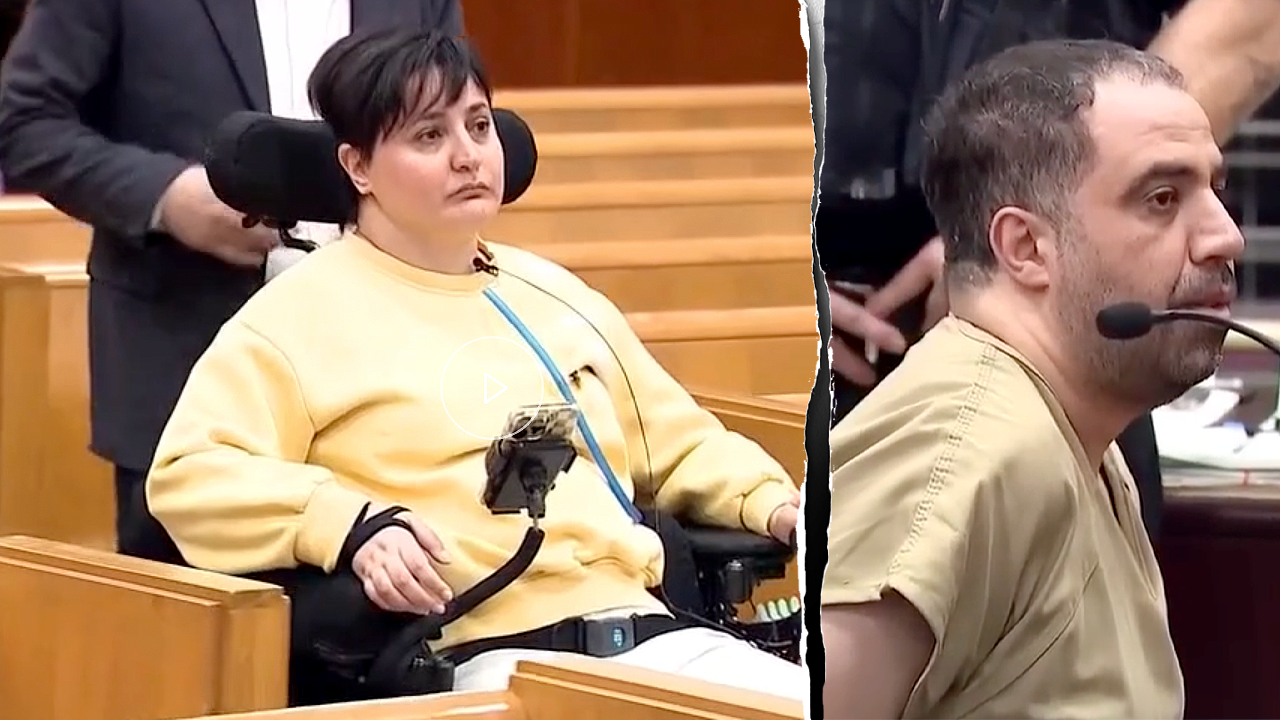
NEW YORK – The sentencing of Kamal Semrade to 20 years in prison for the brutal 2023 subway attack on Emine Yilmaz Ozsoy, which left her paralyzed, underscores the urgent need for systemic reforms to protect vulnerable commuters and address the root causes of violence in our communities. Ozsoy's powerful statement in court laid bare the devastating personal impact of the attack, but it also serves as a stark indictment of a society that too often fails to provide adequate resources and support for those most at risk.
Ozsoy’s paralysis from the shoulders down is a direct result of Semrade's actions, an act she rightly called “evil.” However, the larger context cannot be ignored. Ozsoy’s ongoing pain, trauma, loss of career, reliance on others, anxiety, and financial hardship are not simply individual struggles; they are the predictable outcomes of a system that neglects mental health services, affordable housing, and economic opportunities for marginalized communities. The 20-year sentence, while a form of justice, does not address the underlying issues that contributed to this tragedy.
The attack occurred at the Lexington Avenue–63rd Street station. According to reports, Semrade followed Ozsoy after they rode the same train from Queens during the early morning commute before shoving her into a departing subway car. This unprovoked act of violence highlights the vulnerability of individuals using public transportation, particularly during off-peak hours. While increased police presence may offer a temporary sense of security, it is not a sustainable solution to the deeper problems of poverty, inequality, and lack of opportunity that can fuel such acts of desperation.
Judge Althea Drysdale’s characterization of the attack as “profoundly disturbing” and her observation of Semrade's lack of remorse reflect a common sentiment of outrage. However, this outrage must be channeled into meaningful action. Instead of simply reacting to individual incidents, we must proactively invest in community-based programs that address the root causes of violence, such as early childhood education, job training, and mental health care.
Manhattan District Attorney Alvin Bragg’s statement that the attack “uprooted her life” and caused “catastrophic, permanent injuries” is undeniably true. However, a single conviction does not undo the harm done, nor does it prevent future tragedies. A truly just response would involve a comprehensive plan to support Ozsoy’s long-term recovery, including access to the best medical care, assistive technology, and ongoing therapy. It would also involve a commitment to preventing similar incidents from happening again.
The circumstances surrounding Semrade's arrest, including his residence in a Queens shelter, raise further questions about the availability of social services for vulnerable individuals. Did Semrade have access to mental health care? Were there warning signs that were missed? These are critical questions that must be addressed in order to prevent future tragedies. The shelter employees' identification of Semrade through an NYPD CrimeStoppers alert suggests a level of vigilance, but it also underscores the need for more proactive interventions.
The long-term impact of this crime extends far beyond the immediate injuries. Ozsoy now faces a lifetime of medical care, lifestyle adjustments, and psychological challenges. The financial burden alone is staggering. While crime victim compensation programs can provide some assistance, they are often inadequate to meet the full range of needs. A more comprehensive approach would involve a commitment to ensuring that Ozsoy has access to the resources she needs to live a full and meaningful life, including accessible housing, transportation, and employment opportunities.
This case should serve as a wake-up call for our society. We must move beyond reactive measures and embrace a proactive approach that addresses the root causes of violence. This includes investing in social safety nets, expanding access to mental health care, promoting economic opportunity, and fostering a culture of empathy and compassion. Only then can we truly create a safe and just society for all.